







From Traditional Thali to Protein Shake
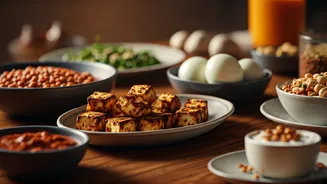
For generations, the Indian professional's lunch was the 'tiffin'—a tiered metal container packed with home-cooked dal (lentils), rice, roti (flatbread), and vegetables. It was balanced, traditional, and carb-heavy. Today, that tiffin often sits next
to a blender bottle filled with a chalky whey protein shake. This shift isn't just about nutrition; it's a profound cultural pivot. The rise of the high-protein diet in corporate India signals a move away from tradition and toward a globalized, aspirational ideal of wellness and productivity. It's a statement that says, 'I'm busy, I'm health-conscious, and I'm part of the new economy.' In a country modernizing at a breakneck pace, what you eat has become a powerful symbol of who you are—or who you want to be.
The 'Protein Gap' and a Marketing Masterstroke
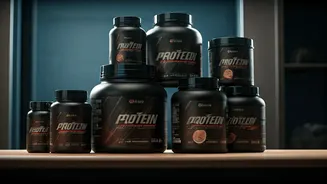
A key driver of this trend is the powerful—and highly effective—marketing narrative of a national 'protein gap.' While many traditional Indian diets, especially vegetarian ones, are rich in plant-based proteins from lentils and legumes, a new wave of brands successfully framed them as insufficient for a high-performance lifestyle. Advertisements and influencer campaigns hammered home the idea that the average Indian was protein-deficient, and that this gap was responsible for fatigue, slow metabolism, and a lack of 'get-up-and-go.' This created a problem that their products—sleekly packaged whey, casein, and plant-based protein powders—could solve. For the stressed, time-poor urban professional juggling long hours and demanding commutes, the promise of a quick, measurable boost in energy and fitness was nearly irresistible.
Fitness as the New Status Symbol
In the bustling economic hubs of modern India, a gym membership has become as much a status symbol as a new car or a designer watch. This isn't just about health; it's about signaling discipline, ambition, and upward mobility. And in this new world of boutique gyms, CrossFit boxes, and corporate marathons, protein is the fuel. It's seen as the essential building block for achieving the lean, 'fit' physique popularized by Bollywood stars and global fitness influencers. This aspirational fitness culture created a massive, ready-made market. Consuming protein supplements is no longer just for hardcore bodybuilders. It’s an accessible entry point into the exclusive club of the healthy and successful, a tangible investment in one's personal brand.
The Rise of D2C and Convenience Culture
The boom couldn't have happened without a new generation of Indian direct-to-consumer (D2C) brands. Companies like HealthKart, Myprotein India, and dozens of smaller startups bypassed traditional retail, using savvy social media marketing and e-commerce to reach young professionals directly on their phones. They offered a dizzying array of flavors (Kesar Pista or Mango Lassi protein, anyone?), convenient single-serving sachets, and a brand identity that felt modern and trustworthy. This coincided with a broader shift in corporate India toward convenience. With less time for traditional, slow-cooked meals, the 30-second protein shake became the ultimate 'life hack'—a quick, efficient, and quantifiable way to handle nutrition in a busy workday.