
From Traditional Sweets to Pastry Star
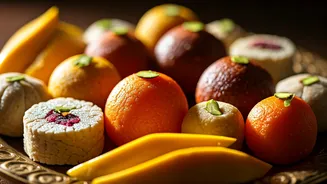
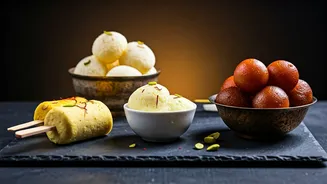
For generations, Desi mithai—the vast and vibrant category of sweets from India, Pakistan, and Bangladesh—have been the heart of celebrations. These confections, like the spongy, rosewater-syrup-soaked gulab jamun or the saffron-infused, ricotta-like
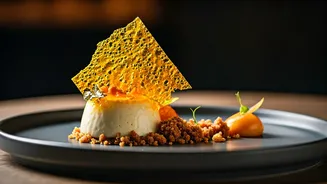
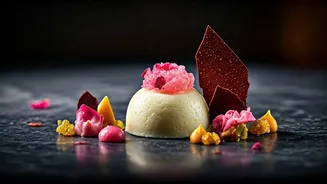
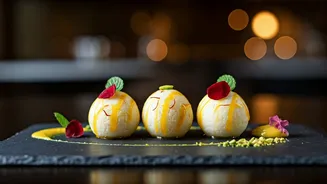
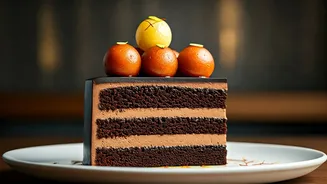
ras malai, are complex, intensely sweet, and deeply tied to tradition. But they weren't typically something you'd grab with your afternoon latte. That’s rapidly changing. A creative wave of chefs and bakers across the U.S. are deconstructing these beloved mithai and weaving their iconic flavors into Western-style desserts. Think gulab jamun cheesecake, where the dense, tangy cream cheese is balanced by the familiar floral sweetness of the fried milk solids. Or consider the viral sensation of Ras Malai Tres Leches, a triple-milk-soaked sponge cake infused with the cardamom, pistachio, and saffron notes of its namesake. It’s a brilliant fusion that feels both revolutionary and completely natural.
A New Generation Finding Its Voice
So, why now? This trend is largely being driven by second- and third-generation South Asian Americans. These chefs, bakers, and entrepreneurs grew up between two cultures—enjoying brownies and birthday cake at school, while celebrating family milestones with platters of barfi and ladoo at home. For them, food is a powerful medium for exploring and expressing this dual identity. Creating a Jalebi Cupcake, where the crisp, syrupy whorls of a jalebi top a classic vanilla cupcake, isn’t just a gimmick. It’s a conversation on a plate. It says, “These two parts of my heritage don't have to exist separately; they can come together to create something new and delicious.” By placing these flavors in familiar formats like cookies, cakes, and tarts, they are making their cultural heritage more accessible and inviting to a broader American audience that might be intimidated by a traditional mithai shop.
The Anatomy of a Fusion Hit
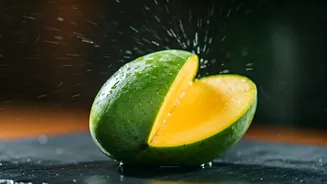
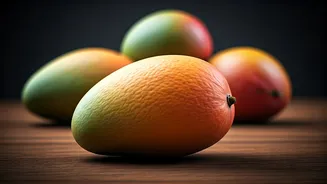
What makes these fusions work so well is a deep understanding of flavor and texture. Take the Motichoor Ladoo Cheesecake. Motichoor ladoo are tiny, ghee-fried balls of gram flour sweetened with sugar syrup and flecked with nuts. They have a unique, slightly grainy texture and a warm, nutty flavor. When crumbled into a crust or folded into a creamy cheesecake batter, they provide a surprising textural contrast and a depth of flavor that a simple graham cracker crust can’t match. Similarly, bakers are using the core components of mithai as building blocks. Cardamom, rosewater, saffron, pistachio, and mango are finding their way into macarons, ice creams, and even doughnuts. This isn’t just about plopping one dessert on top of another; it's a thoughtful re-imagination of flavor pairings, creating a dessert experience that is at once novel and nostalgically comforting.
Beyond the Big City Bakery
While this trend first blossomed in culinary hubs like New York, Los Angeles, and Chicago, its reach has been amplified exponentially by social media. A stunning, multi-layered ras malai cake on Instagram or a mesmerizing TikTok video of a baker filling a croissant with gajar halwa (sweet carrot pudding) can turn a local specialty into a national craving overnight. This digital word-of-mouth has empowered countless home bakers and small-scale entrepreneurs to launch businesses based on their unique fusion creations. They’re shipping their mithai-inspired cookies nationwide and taking custom orders for birthday cakes that taste of childhood memories. It has democratized the trend, proving that the appetite for these creative sweets extends far beyond the South Asian diaspora.