



The Death of the Guilty Pleasure
For generations, indulgence was framed as a minor sin. We’d sneak a cupcake, pour an extra-large glass of wine, or binge-watch a whole season of TV, all with a nagging voice in our heads labeling it a 'guilty pleasure.' But a cultural shift, accelerated
by the wellness movement, is reframing that entire concept. The new thinking is simple: If it brings you genuine joy and doesn't cause harm, why should there be any guilt involved? This mindset rejects the idea that pleasure must be 'earned' through suffering or deprivation. Instead, it champions small, intentional acts of self-kindness. It's less about a hedonistic free-for-all and more about integrating moments of joy into daily life as a necessary component of mental and emotional health. The focus is moving from the sugar rush to the sustained sense of well-being that comes from treating yourself with compassion.
Smarter Sips and Better Bites
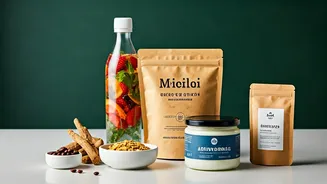
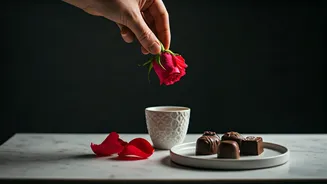
The 'smarter' part of this makeover is most visible on our plates and in our glasses. The new indulgence isn't about volume; it's about value and intentionality. Think less about a bottomless brunch and more about a single, perfect, locally sourced pastry. Consumers are increasingly trading up for quality, seeking out craft-made products with transparent origins. This trend fuels the rise of bean-to-bar chocolates, single-origin coffees, and small-batch artisanal everything. At the same time, 'functional indulgence' is booming. These are treats that come with a bonus, like a calming effect or a cognitive boost. Think adaptogenic mushroom hot cocoa that promises relaxation, or sparkling botanical drinks with nootropics for focus. It’s the desire to feel good without the downside—the pleasure of a complex cocktail without the alcohol, or the richness of a dessert made with ingredients that won’t spike your blood sugar. It's indulgence optimized.
From Things to Time
Perhaps the most significant evolution is the shift from material indulgence to experiential indulgence. While a designer handbag or a new gadget can still feel like a treat, the ultimate luxury for many burned-out Americans is unstructured, high-quality time. This 'soft indulgence' is less about what you can buy and more about what you can feel. It’s the permission to spend a Saturday afternoon reading in a park without checking your phone. It’s booking a solo weekend trip not to see sights, but simply to be in a different environment. It's investing in a sound bath, a guided meditation class, or a sensory deprivation float tank—experiences designed to quiet the noise of modern life. This form of indulgence values restoration over stimulation, creating memories and a sense of inner peace that no physical object can replicate. The 'treat' is the feeling of being present and disconnected from the constant demands of the world.
The New Permission Slip
Ultimately, this makeover is about personalizing the concept of a 'treat.' The old model of indulgence was often dictated by marketing: champagne, diamonds, and decadent chocolate cake. The new model is deeply individual and asks a different question: 'What would feel truly restorative and joyful for me, right now?' For one person, it might be a meticulously brewed cup of tea. For another, it's an hour of uninterrupted video game play. For a third, it's finally buying the expensive, high-quality version of a kitchen staple they use every day. This softer, smarter indulgence gives us permission to define luxury on our own terms. It acknowledges that in a world of constant pressure and connectivity, the most profound indulgence might just be a quiet moment of genuine, guilt-free satisfaction.