





The Graveyard Shift Goes Global
For millions of American consumers and businesses, the customer service call, the software patch, or the financial report that gets processed overnight happens seamlessly. The engine behind that 24/7 convenience is often a highly skilled workforce in India,
operating on U.S. or European time. Cities like Bangalore, Hyderabad, and Pune are global hubs for IT, business process outsourcing (BPO), and knowledge process outsourcing (KPO). This has created a massive corporate culture built around the 'night shift,' where employees log on as their American counterparts are logging off. This time-zone arbitrage is a cornerstone of modern globalization, but it comes with a unique set of lifestyle challenges—namely, how to stay alert, productive, and healthy when your body's clock is turned upside down.
From Fried Snacks to Functional Fuel
Traditionally, late-night Indian snacks might have involved a trip to a street vendor for a hot samosa or a cup of milky, sweet chai. While delicious, these carb-heavy and often fried options can lead to an energy crash—the last thing a developer needs when debugging code at 2 a.m. India Standard Time. The new generation of Indian corporate professionals is increasingly health-conscious, influenced by global wellness trends and a desire for peak performance. They aren't just working global hours; they're adopting a global mindset about nutrition as a tool for productivity. The old pantry staples don't align with this new identity. There's a growing demand for food that is not just convenient but 'functional'—food that serves a purpose, like sustaining energy and focus without the guilt or the slump.
The Rise of the Protein-Packed Pantry
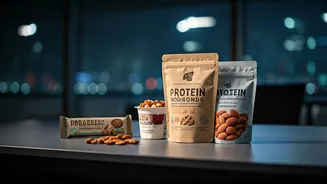
This is where protein snacks enter the picture. The Indian market for protein bars, ready-to-drink shakes, and other 'healthy' packaged foods is exploding. Brands, both domestic and international, are marketing these products not as diet aids but as performance fuel. The language on the packaging emphasizes 'clean energy,' 'sustained focus,' and 'muscle support,' speaking directly to the ambitious, time-poor urban professional. For someone working a late shift, a protein bar is the perfect solution: it's quick, requires no preparation, provides satiety, and offers a slow release of energy that helps them power through a conference call with a client in California. Vending machines and office canteens that were once filled with chips and cookies are now increasingly stocking protein bars, nut mixes, and yogurt drinks.
A Symbol of a New Corporate India
Ultimately, the protein snack trend is more than just about food. It's a powerful symbol of the new Indian economy and the aspirations of its workforce. It reflects a culture where long, often unconventional, hours are a given in the pursuit of career growth and global integration. These workers are at the forefront of India's economic story, and they are actively seeking tools to manage the physical and mental demands of their roles. Choosing a protein bar over a traditional snack is a small but significant act. It signifies an embrace of a modern, data-driven approach to personal well-being that mirrors the data-driven work they do. It’s a quiet declaration that they are not just participants in the global economy, but professional athletes of the corporate world, carefully managing their inputs for maximum output.