



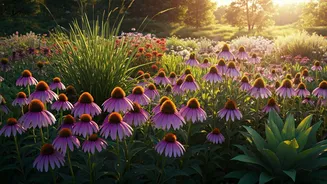


The Rebellion Against the Lawn
For decades, the great American yard has been defined by uniformity: a neat carpet of turfgrass, kept in line with fertilizers, pesticides, and a whole lot of water. But a growing movement is pushing back, swapping high-maintenance monocultures for something
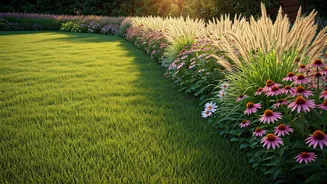
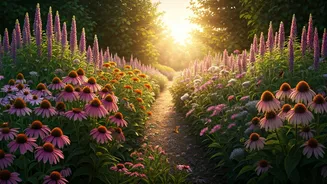
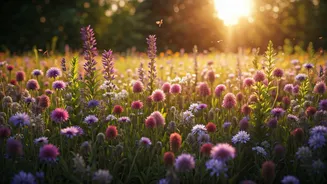
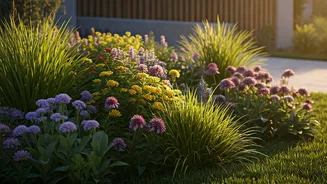
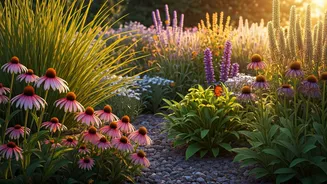
more authentic and resilient. Enter native plants—the trees, shrubs, and wildflowers that grew in your region long before suburbs existed. This isn’t just about aesthetics; it's a fundamental rethinking of what a yard is for. Instead of a space that demands constant work to fight nature, homeowners are embracing gardens that work *with* nature. The result is a landscape that’s less about sterile perfection and more about creating a vibrant, living ecosystem right outside your door. This shift marks a move from ornamental decoration to functional, beautiful, and deeply local landscapes.
An Ecological Powerhouse in Your Backyard
So, why the sudden love for plants that have been here all along? The benefits are a powerful trifecta of environmental wins. First and foremost, native plants are the foundation of a healthy local food web. They’ve co-evolved with local insects, birds, and wildlife for millennia. A native oak tree, for example, can support over 500 species of caterpillars, which in turn become essential food for nesting birds. A non-native ginkgo tree supports fewer than five. Second, they are remarkably low-maintenance once established. Because they are adapted to the local climate and soil, native plants typically require significantly less water than thirsty turfgrass—a critical advantage in an era of increasing droughts. They also have natural defenses against local pests and diseases, dramatically reducing or eliminating the need for chemical pesticides and fertilizers that can pollute local waterways. This creates a healthier environment for pets, children, and wildlife.
The 'Why Now?' Factor
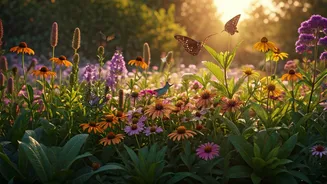
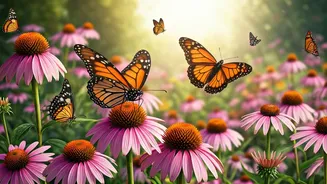
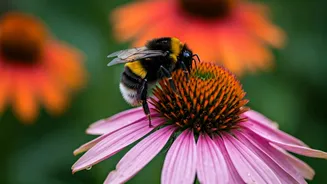
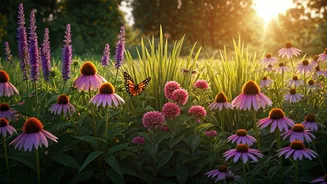
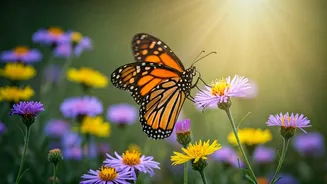
This trend didn’t appear in a vacuum. It’s being fueled by several powerful cultural currents. The pandemic, which forced millions of Americans to spend more time at home, sparked a renewed interest in gardening and personal green spaces. People wanted to make their immediate surroundings more beautiful and meaningful. At the same time, growing awareness of climate change and biodiversity loss has left many feeling powerless. Planting natives offers a tangible, positive action anyone with a patch of soil—or even just a balcony pot—can take. It’s a form of small-scale activism that directly addresses habitat loss for crucial pollinators like bees and monarch butterflies. As people watch their gardens come alive with buzzing bees and fluttering wings, they see a direct result of their efforts, providing a potent antidote to eco-anxiety.
It's Easier Than You Think
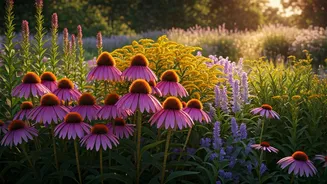
The idea of overhauling your entire yard can feel daunting, but the native plant movement is built on accessibility. You don’t need to be a master gardener or rip out your whole lawn overnight. Experts recommend starting small. Convert a small, difficult-to-mow patch of grass into a wildflower bed. Add a few native shrubs like serviceberry or viburnum to your existing landscape. Plant milkweed for monarchs in a sunny container on your porch. Resources have exploded in recent years. Organizations like the National Wildlife Federation and the Audubon Society offer free online databases where you can enter your zip code to get a list of plants native to your specific area. Local native plant societies and specialized nurseries are becoming more common, offering expert advice and plants that are genetically appropriate for your region, ensuring they’ll thrive.