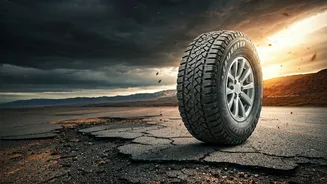






1. Tires: Check Pressure and Tread
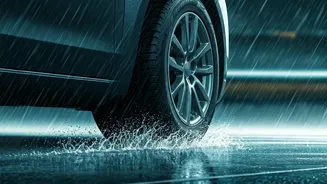
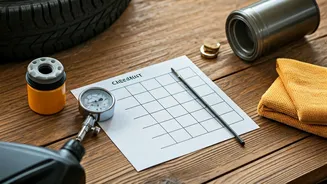
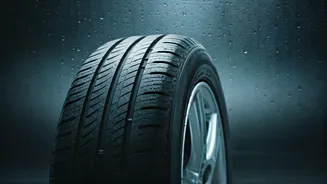
Your tires are your car's only connection to the road, and their condition is critical as weather patterns change. First, check the tire pressure. As the air gets colder, tire pressure drops (about 1 PSI for every 10-degree Fahrenheit drop). Find the recommended
PSI on the sticker inside your driver's side doorjamb—not on the tire itself. Most gas stations have air compressors. Next, check the tread. The classic trick works: insert a penny into the tread with Lincoln's head upside down. If you can see the top of his head, your tread is low and it's time for new tires. Worn tires are especially dangerous on wet or icy roads.
2. Wipers and Fluid: See Clearly
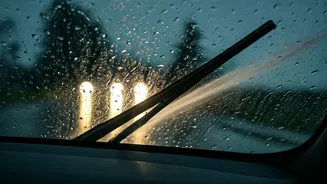
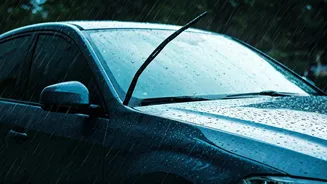
Summer sun can bake and crack your wiper blades, and you often don't realize how poorly they work until the first autumn downpour. Lift the blades off the windshield and check for any cracking, splitting, or stiffness in the rubber. If they leave streaks or chatter across the glass, replace them. It’s an inexpensive and easy DIY job. While you're at it, top off your windshield washer fluid. You'll be using it more often to clear away morning frost, road grime, and salt spray in the coming months.
3. Battery: Test for a Strong Start
Car batteries work harder in the cold. A battery that was perfectly fine during the summer can fail on the first truly frigid morning, leaving you stranded. If your battery is more than three years old, it’s wise to get it tested. Most auto parts stores will test your battery for free. Look at the terminals for any fuzzy, white, or blueish corrosion. This buildup can impede the electrical connection. You can clean it off yourself with a wire brush and a mixture of baking soda and water, but be sure to wear gloves and eye protection.
4. Lights: A Quick Walk-Around
With shorter days ahead, you’ll be relying on your car's lights more than ever. This is a simple two-person job, but you can also do it alone by parking in front of a reflective window or wall at dusk. Have someone stand outside the car while you test the headlights (both low and high beams), taillights, brake lights, and turn signals. A burned-out bulb is a safety hazard and a common reason for getting pulled over. Most are simple to replace yourself with a quick trip to the auto parts store.
5. Fluids: The Lifeblood of Your Car
You don’t need to be a mechanic to perform a few basic fluid checks. With the engine cool and the car on a level surface, check your engine oil using the dipstick. It should be between the 'Full' and 'Add' marks and look clean (not sludgy or milky). Also, check your engine coolant (antifreeze) level in the overflow reservoir. This is crucial for preventing your engine from overheating or freezing. If you're due for an oil change, now is the perfect time to get it done before the busy holiday season begins.
6. Emergency Kit: Restock and Review
Your car should always have an emergency kit, but it’s particularly important as the weather becomes less predictable. Ensure your kit includes jumper cables, a flashlight with fresh batteries, a first-aid kit, a portable phone charger, and a tire inflator. As winter approaches, add a blanket, gloves, an ice scraper, and a small bag of sand or cat litter for traction if you get stuck. It’s better to have it and not need it than to need it and not have it.