

The Upgraded Mudroom: Your Daily Command Center
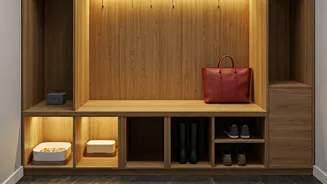
Forget the simple mat by the door. Today’s most livable homes feature a dedicated “drop zone” or modern mudroom. This transitional space acts as a command center for a busy household, providing a designated spot for everything you carry in and out. Think
built-in cubbies for backpacks and shoes, a bench for sitting, and, crucially, integrated charging stations for phones and devices. By containing the clutter of daily life—mail, keys, coats, and tech—at the entrance, the rest of your home remains a sanctuary of calm. It’s a simple concept that dramatically reduces the mental load of staying organized, preventing the all-too-common pile-up on the kitchen counter.
Smart Lighting That Works For You
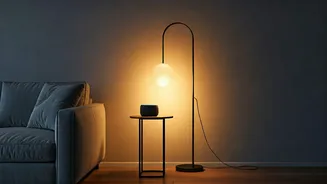
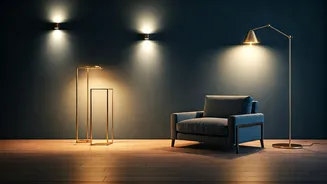
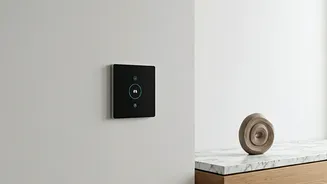
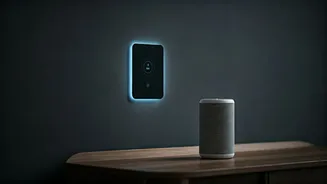
Good lighting has always been key to a home's atmosphere, but smart lighting elevates it from a utility to a wellness feature. Systems from companies like Philips Hue or Lutron allow you to automate your entire home's lighting schedule. Imagine lights that gradually brighten to help you wake up naturally, dim in the evening to promote relaxation, and turn off automatically when you leave a room. You can create custom “scenes” for any activity—'Movie Night,' 'Dinner Party,' 'Focus Work'—with the tap of a button or a simple voice command. This level of control isn't just a fun gadget; it aligns your environment with your body's natural rhythms and removes the small, repetitive task of flipping switches all day.
The Modern Butler's Pantry
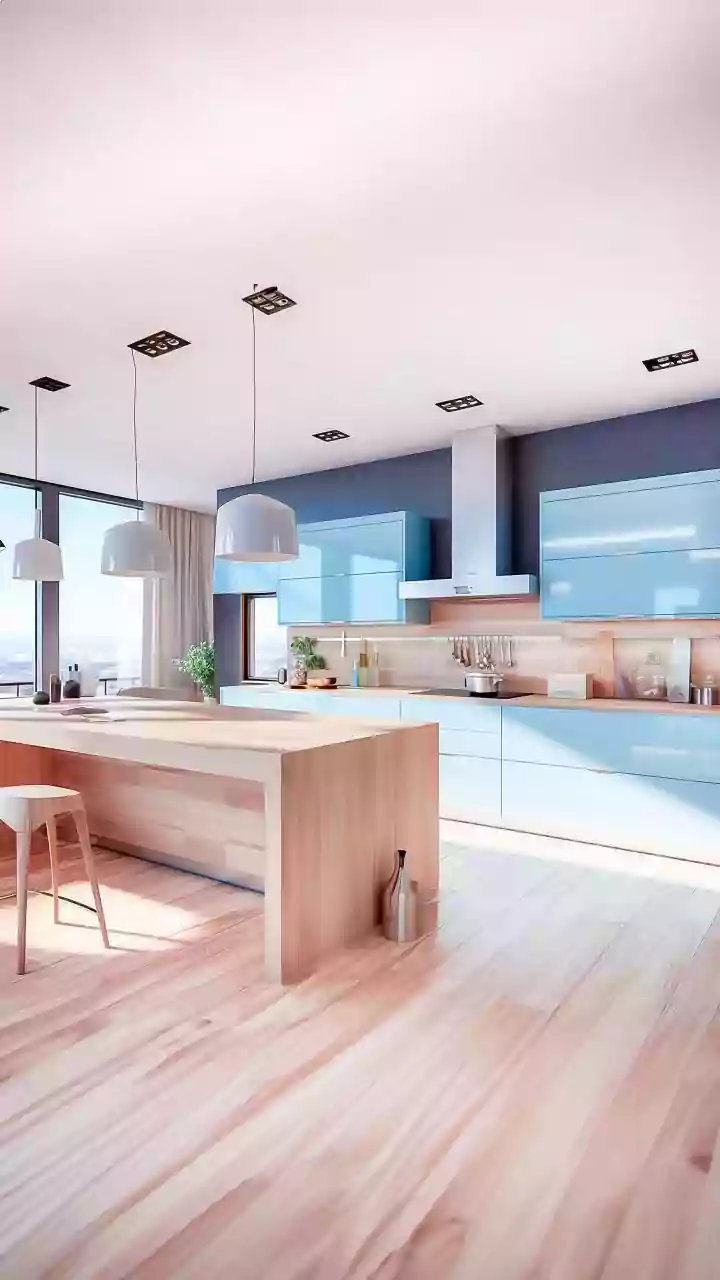
The open-concept kitchen is great for entertaining, but it leaves every cooking mess on full display. Enter the modern butler's pantry, or “messy kitchen.” This secondary space, tucked away behind the main kitchen, is a workhorse. It houses small appliances like the coffee maker, toaster, and microwave, freeing up precious counter space in the main area. It can also serve as a staging ground for party prep, a drink station, or simply a place to store bulk goods. For anyone who loves to host but hates the pressure of keeping a pristine kitchen while guests are over, the butler’s pantry is a game-changer, allowing for a seamless separation between presentation and production.
Laundry Where You Need It
For decades, the standard American home relegated the laundry room to the basement—a dark, inconvenient, and often unpleasant location. A major shift in livable design is relocating the laundry room to the upper floors, where most bedrooms (and therefore, most dirty clothes and linens) are located. This simple architectural choice eliminates the need to haul heavy baskets up and down multiple flights of stairs, transforming a dreaded chore into a far more manageable task. Some luxury designs even include smaller, secondary laundry units in or near the primary closet for ultimate convenience. It’s a prime example of designing a home around how people actually live.
Central Vacuum Systems
While robot vacuums have gained popularity, the central vacuum remains an unsung hero of home convenience. This built-in system features a powerful motor, typically located in a garage or basement, with inlets placed in walls throughout the house. To clean, you simply attach a lightweight hose to the nearest inlet. The benefits are significant: no heavy canister to lug around, no cords to trip over, and far superior suction power. Because the motor is located elsewhere, the system is incredibly quiet. It also improves indoor air quality, as all the dust and allergens are vented directly outside instead of being recirculated into the room, a major plus for families with allergies or pets.
Seamlessly Integrated Power
Our lives run on charged devices, yet most homes are still designed for a pre-digital era. A truly convenient home acknowledges this reality with thoughtfully placed power sources. This goes beyond just having enough outlets. It means outlets with built-in USB-A and USB-C ports located where you need them most: in the kitchen island, by the bedside, in the mudroom drop zone, and near sofas in the living room. Some designers are even integrating wireless charging pads directly into countertops and nightstands. This eliminates the constant search for charging bricks and the visual clutter of power strips and tangled cables, making it effortless to keep your essential tools powered up and ready to go.