





The Low-Maintenance Dream
For many urban and suburban homeowners, the classic green lawn is a demanding taskmaster. It requires constant mowing, fertilizing, and watering to look its best. Native plants, on the other hand, offer an escape from this cycle of endless yard work.
Because they have evolved over millennia to thrive in your specific region’s soil, rainfall patterns, and climate, they are naturally resilient and self-sufficient. A garden filled with local wildflowers, grasses, and shrubs doesn't need coddling. Once established, these plants can fend for themselves, resisting local pests and diseases without chemical intervention and requiring significantly less water than their thirsty, non-native counterparts. This translates into more time enjoying your outdoor space and less time managing it.
A Backyard Wildlife Haven
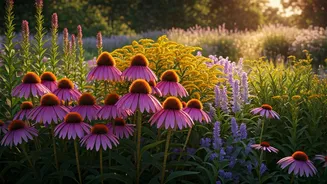
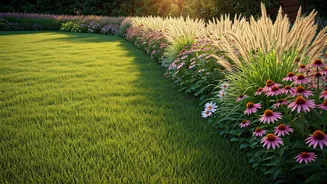
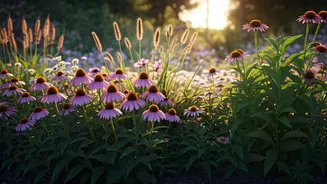
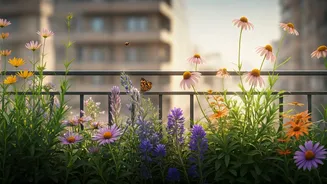
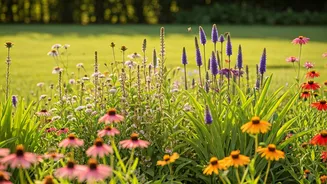
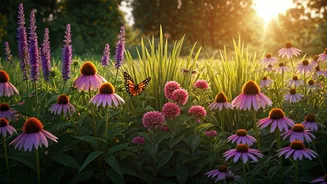
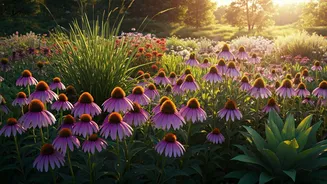
Perhaps the most compelling reason for the native plant boom is the return of life. A sterile turfgrass lawn is often called an “ecological desert” because it offers virtually no food or shelter for wildlife. Native plants change that overnight. The flowers of a purple coneflower (Echinacea purpurea) in the Midwest provide nectar for bees and butterflies, while its seeds feed goldfinches in the fall. The leaves of milkweed are the only food source for Monarch butterfly caterpillars. By planting a variety of native species, you are essentially rolling out a welcome mat for local birds, pollinators, and other beneficial creatures. Organizations like the National Wildlife Federation and Audubon have found that even a small patch of native plants in a tiny urban yard can become a vital stopover for migrating birds and a breeding ground for essential insects, transforming a quiet space into a dynamic, living ecosystem.
Saving Water, an Urban Imperative
As cities across the country, particularly in the West and Southwest, grapple with prolonged droughts and water shortages, the inefficiency of the traditional lawn has become glaringly obvious. According to the EPA, landscape irrigation accounts for nearly one-third of all residential water use, totaling nearly 9 billion gallons per day. Much of this goes to sustaining non-native grasses that are ill-suited to their environment. Native plants offer a powerful solution. Their deep root systems are designed to find and store water efficiently, allowing them to survive and even thrive on natural rainfall alone in many parts of the country. For homeowners, this means a dramatically lower water bill. For cities, it means reduced strain on precious water resources, making native landscaping an act of both personal savings and civic responsibility.
Creating a True Sense of Place
For decades, the American suburban aesthetic has been one of homogenization—the same Kentucky bluegrass in Kentucky as in California, the same Japanese maples from coast to coast. The native plant movement is a powerful counter-current, re-introducing regional identity to our landscapes. A garden featuring the fiery ocotillo of the Sonoran Desert, the delicate columbines of the Rockies, or the lush ferns of the Pacific Northwest doesn't just look beautiful; it looks like it *belongs* there. This approach celebrates the unique natural heritage of a place, creating a yard that is an authentic reflection of its environment. It’s a shift from imposing a generic vision onto the land to collaborating with what the land already wants to be, resulting in a landscape that is both more meaningful and visually interesting.
It’s Easier Than You Think
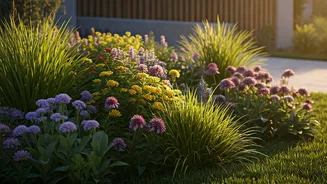
The idea of overhauling a yard can feel daunting, but embracing native plants doesn’t require a complete redesign. Many homeowners start small by converting a difficult-to-mow patch of lawn into a wildflower meadow or replacing a few high-maintenance shrubs with hardy native alternatives. Resources have never been more accessible. Local chapters of native plant societies, university extension programs, and specialized nurseries are popping up everywhere, offering guidance on which plants will thrive in your specific conditions. Online tools like the National Wildlife Federation’s Native Plant Finder can generate lists of species beneficial to local wildlife based on your zip code. The key is to start, even with just one plant. That single addition can begin the process of transforming your patch of earth into a more resilient, vibrant, and rewarding space.