



Why June? The Secret of the Shoulder Season
Most travel guides will tell you the best time to visit Gangtok is in the spring (March to May) or autumn (October to December) for crystal-clear skies. They’re not wrong, but they’re missing a secret. June marks the arrival of the monsoon, a word that
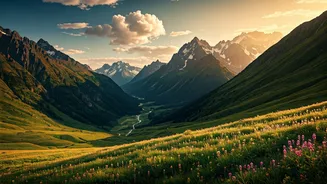
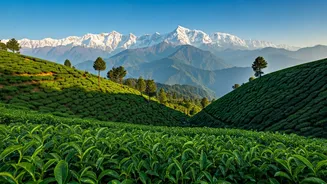
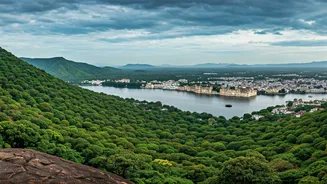
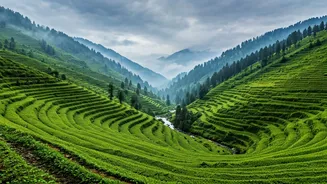
sends most tourists running. But for the savvy traveler, this is where the magic begins. Early June is a 'shoulder' period, where the pre-monsoon showers have washed the dust from the air, blanketing the hills in an almost impossibly vibrant green. The crowds have thinned, the hotel rates are friendlier, and a tranquil, atmospheric mood settles over the capital of Sikkim. The rain isn't a constant deluge; it’s a rhythm of passing showers and bright intervals, transforming the landscape into a living, breathing entity.
Chasing the Ghost Mountain: Kanchenjunga
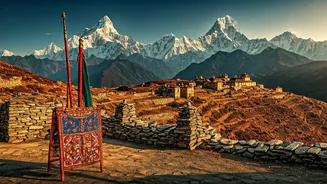
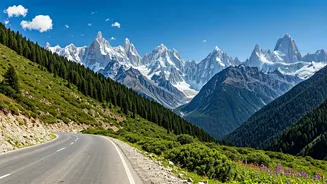
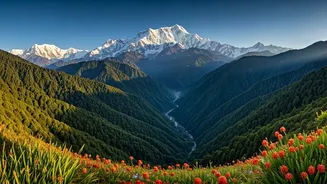
Let’s be honest: seeing Kanchenjunga, the world's third-highest peak, in June is a game of chance. The clouds are formidable players, often shrouding the Himalayan giants in a soft, white blanket. But this is precisely what makes a sighting so special. Instead of a permanent fixture on the horizon, the mountain becomes a magnificent reveal. You might be sipping tea at your hotel or walking along a ridge when the clouds part for ten minutes, unveiling the colossal, snow-covered massif in all its glory. It’s a breathtaking, heart-stopping moment that feels earned. For the best odds, rise early. The hours around sunrise are often the clearest. Head to Tashi View Point or Ganesh Tok, classic spots that offer panoramic vistas. When the clouds cooperate, the sight of the rising sun turning the peaks from grey to pink to gold is a memory that will stay with you far longer than a guaranteed postcard view.
A Wilderness of Green and Mist
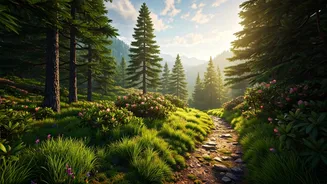
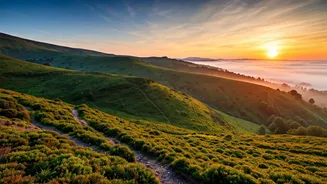
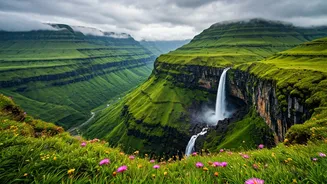
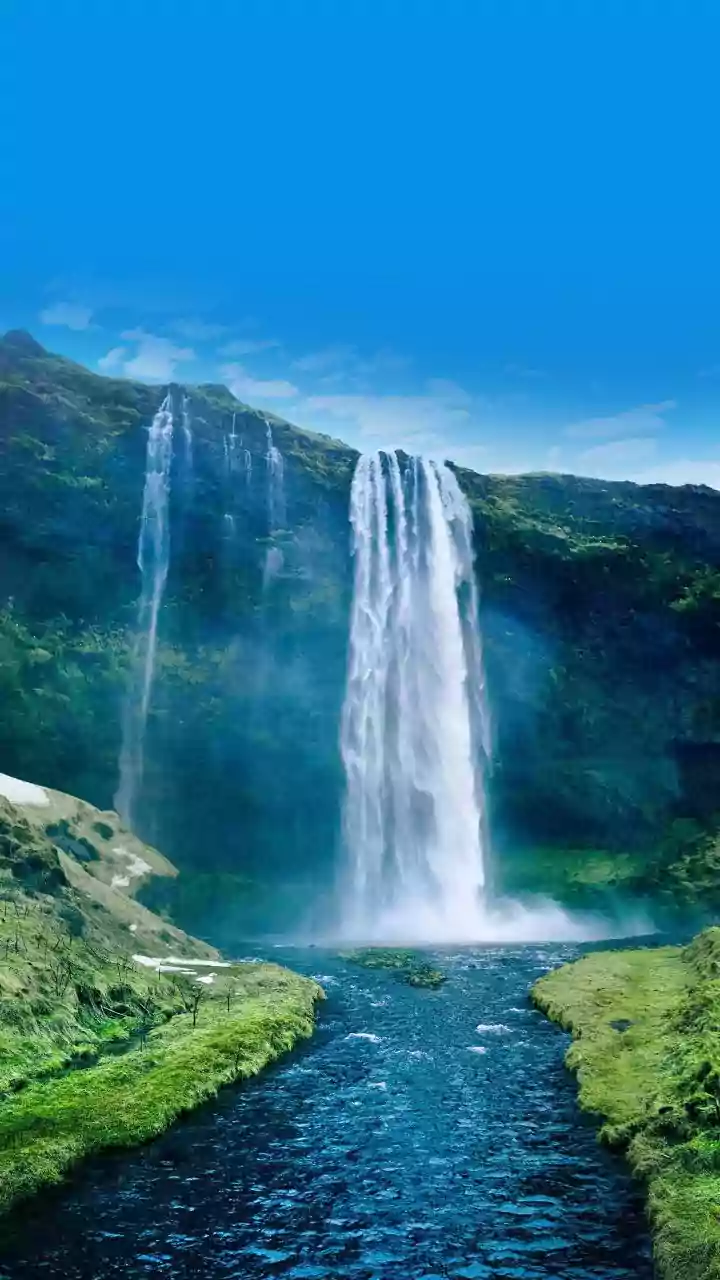
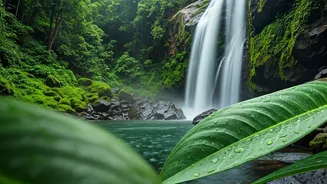
The headline promises a “wilderness retreat,” and June delivers on this in spades. The rain breathes life into the region. Waterfalls, barely trickles in the dry season, now cascade thunderously down mountainsides. The forests feel ancient and mystical, with orchids blooming on moss-covered trees and the air thick with the smell of damp earth and pine. A drive outside the city becomes an immersion in nature. The route to Tsomgo Lake (check for accessibility, as heavy rains can cause closures) is a journey through mist-shrouded rhododendron forests. Even if the lake itself is socked in, the drive is an experience. This isn't the stark, barren beauty of high-altitude deserts; it’s a lush, fertile, and deeply serene wilderness that invites quiet contemplation.
Monastery Calm and City Comforts
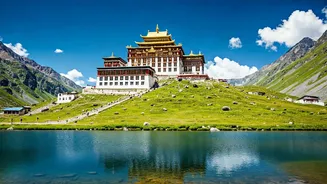
Gangtok’s appeal extends beyond its natural splendor. The city itself is a unique blend of modern amenities and Tibetan Buddhist culture. In June, the monasteries are exceptionally peaceful. Visiting the famous Rumtek Monastery or the closer Enchey Monastery becomes a more spiritual experience without the throngs of tourists. You can hear the low murmur of chanting monks and the gentle flapping of prayer flags in the wind. Afterwards, you can retreat to the comforts of Gangtok. Stroll down the pedestrian-only MG Marg, remarkably clean and pleasant even in the rain, and duck into a cozy café for a warm drink and some delicious momos. This easy access to both profound tranquility and urban comfort is what makes Gangtok such a perfectly balanced retreat.
Know Before You Go: Packing for June
A trip to Gangtok in June requires a bit of planning. Your packing list should be built around layers and waterproofing. A reliable raincoat and waterproof shoes are non-negotiable. Quick-drying clothes are far more practical than cotton. Pack a light fleece or sweater, as evenings can be chilly once the sun goes down. Most importantly, pack a sense of flexibility. Your perfectly planned itinerary might be disrupted by a sudden downpour or a temporary road closure. Embrace it. A rainy afternoon is the perfect excuse to read a book, chat with locals, or simply watch the clouds roll through the valleys. The reward for this go-with-the-flow attitude is a deeper, more authentic experience of a Himalayan paradise.