


An Escape from the Perfect Vacation
For decades, the ideal vacation was built on a foundation of flawless blue skies and sun-drenched beaches. But in a world saturated with filtered, picture-perfect social media feeds, a counter-movement is quietly brewing. Travelers, particularly younger
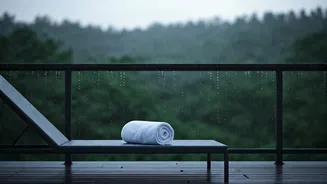
ones, are increasingly seeking experiences that feel more authentic, atmospheric, and emotionally resonant. The monsoon, with its dramatic cloud cover, sudden downpours, and moody lighting, offers exactly that—an antidote to the curated perfection of peak-season travel. It’s a chance to trade the pressure of capturing the 'perfect' sunny photo for the simple pleasure of watching rain fall on a lush forest from a cozy veranda. This isn't about enduring bad weather; it's about embracing a different kind of beauty, one that’s dynamic, unpredictable, and deeply sensory. The scent of rain on dry earth, known as petrichor, the sound of a downpour on a tin roof, and the sight of mist clinging to green hills—these are the new travel luxuries.
The Allure of the 'Green Season'
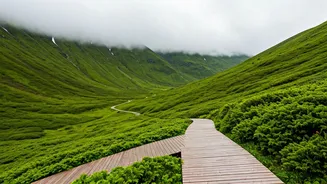
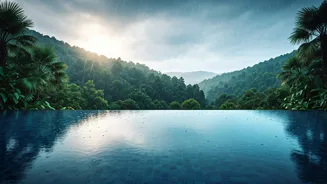
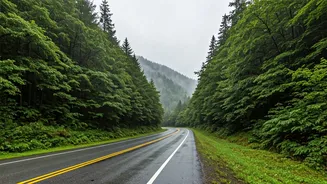
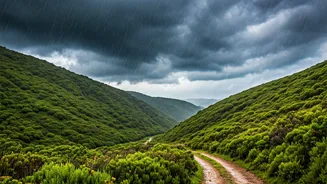
Travel marketers have wisely started rebranding the 'rainy season' as the 'green season,' and for good reason. In destinations across South and Southeast Asia, from Kerala in India to Northern Thailand and Bali, the monsoon triggers a spectacular transformation. Dusty, sun-baked landscapes erupt into an almost impossibly vibrant palette of greens. Waterfalls that are mere trickles in the dry season become thunderous cascades. Rice paddies turn into shimmering, emerald-green mirrors reflecting the dramatic sky. For photographers and nature lovers, this period offers unparalleled visual drama. The clouds act as a giant softbox, creating perfect, diffused light for photos, making colors pop without the harsh shadows of the midday sun. It’s a time when nature is at its most alive and abundant, offering a spectacle that dry-season visitors completely miss. The experience shifts from simply being in a place to watching that place come alive.
Practical Perks and Quieter Paths
The romance isn't purely aesthetic; it's also deeply practical. Traveling during the monsoon means avoiding the hordes of tourists that descend upon popular destinations in the high season. The result is a more peaceful, intimate experience. Imagine having the misty temples of Angkor Wat or the serene backwaters of Kerala almost to yourself. This is the reality of green season travel. With lower demand comes another significant benefit: lower prices. Flights and luxury accommodations can be a fraction of their peak-season cost, making a high-end trip suddenly more accessible. Furthermore, the 'rainy season' stereotype of non-stop deluges is often a misconception. In many regions, the rain comes in intense but short-lived bursts, usually in the afternoon, leaving the rest of the day clear and refreshed for exploration. It simply requires a slight shift in planning—a leisurely morning of sightseeing, a long lunch during the downpour, and an evening stroll in the cool, clean air.
Fueled by the Digital Campfire
This trend isn't happening in a vacuum. Social media, once the driver of 'perfect beach' imagery, is now a major force behind the romanticization of the monsoon. Influencers and content creators are trading bright, over-saturated shots for moody, cinematic videos of rain-streaked windows, misty mountains, and glistening, empty streets. The aesthetic is less about aspirational perfection and more about capturing a feeling—coziness, contemplation, and a deep connection with nature. Hashtags like #monsoontravel and #greenseason are filled with images that look more like scenes from a film than a typical vacation slideshow. This digital storytelling has created a powerful visual language that makes the monsoon seem not just acceptable, but incredibly desirable. It has shown a global audience that a different, perhaps more profound, type of travel is not only possible but beautiful.