


The King You've Never Met
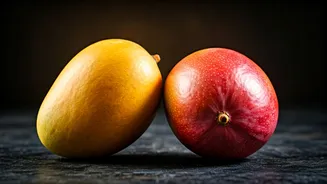
In the United States, the mango section of the grocery store is a familiar sight, typically dominated by the sturdy, red-and-green Tommy Atkins or the sweeter, yellow Ataulfo. They are reliable, available, and perfectly pleasant. But they are not Zardalu
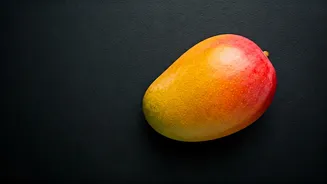
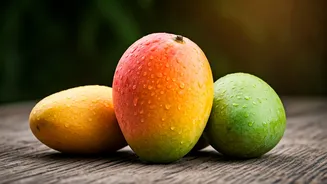
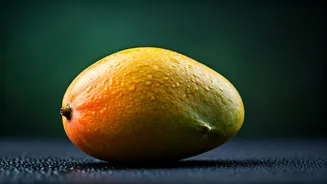
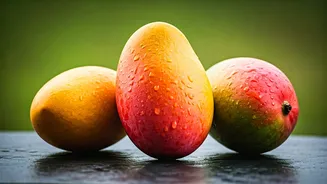
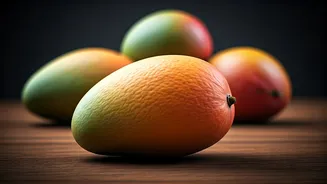
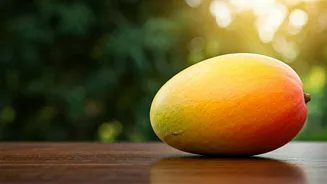
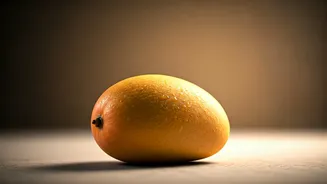
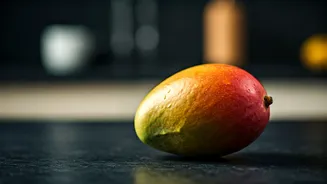
mangoes. Hailing from the Bhagalpur district of Bihar in eastern India, the Zardalu is a different class of fruit entirely. Its name, derived from Persian, translates to 'pale yellow,' a hint at its delicate, sun-kissed skin that's often devoid of the flashy blush we associate with supermarket mangoes. While most of us are happy to find a ripe mango, for connoisseurs in India, the arrival of the Zardalu in early summer is a bona fide event, a fleeting window to taste something truly exceptional. The annual excitement isn't just hype; it's a cultural phenomenon built around a fruit with a serious pedigree.
What Makes It So Special?
The magic of the Zardalu mango lies in a holy trinity of fruit perfection: aroma, taste, and texture. Before you even taste it, you can smell it. The aroma is intensely fragrant and sweet, a quality that famously fills a room. Unlike many commercial varieties that can be fibrous and stringy, the Zardalu’s flesh is famously fiberless, melting in the mouth with a smooth, buttery consistency. The flavor profile is uniquely sweet with a subtle, pleasant tartness that keeps it from being cloying. This isn't just a sweet fruit; it’s a complex one. Its thin skin is also a key feature, making it delicate and, unfortunately, difficult to transport over long distances, which is a major reason it remains a hyper-regional treasure. These distinct qualities are so tied to its place of origin that they can’t be replicated elsewhere, which led to a major step in protecting its legacy.
A Mango with a Protected Status
Think of how Champagne can only come from the Champagne region of France, or how true Parmesan cheese is Parmigiano-Reggiano. The Zardalu mango has a similar distinction. In 2018, it was granted a Geographical Indication (GI) tag. This is more than just a fancy label; it’s a form of intellectual property that certifies the product’s origin, quality, and the traditional methods used to produce it. The GI tag legally protects the name 'Zardalu' and ensures that only mangoes grown in the specific microclimate of Bhagalpur and its surrounding areas can be sold as such. This status not only elevates the fruit to an elite status but also protects the livelihood of the farmers who cultivate it, preventing imitations and guaranteeing authenticity for consumers who are lucky enough to find the real thing.
A Gift Fit for a Prime Minister
The Zardalu’s cultural significance goes beyond the market. For years, it has been part of a celebrated tradition where the government of Bihar sends beautifully packaged boxes of the season's best Zardalu mangoes as a formal gift to the President and Prime Minister of India, as well as other high-ranking dignitaries. This gesture underscores the fruit’s role as a regional ambassador, a symbol of Bihar’s unique agricultural heritage. It’s a practice that reinforces the Zardalu’s reputation not merely as produce, but as a luxury item and a point of immense local pride. When a fruit is considered a worthy diplomatic gift, you know it's something special.
So, Can You Buy Them in the U.S.?
Here's the bittersweet part of the story. Finding genuine Zardalu mangoes in the United States is incredibly difficult, bordering on impossible. Their extremely short shelf life and delicate nature make them poor candidates for the long, cold journey by sea freight. While some specialty Indian grocers might occasionally receive air-flown shipments of premium Indian mangoes during the summer, the supply is tiny, inconsistent, and expensive. Your best bet is to check with high-end Indian food importers in major cities like New York, Chicago, or in Silicon Valley during June. But be prepared for a treasure hunt. For most of us, the Zardalu will remain a far-off, legendary fruit—something to be read about and dreamed of, a delicious reminder that the world is full of regional flavors waiting to be discovered.