

The Unbearable Heat of the Plains
In recent years, summer in India has become less a season and more an endurance test. From April through June, before the monsoon rains bring relief, cities like New Delhi, Jaipur, and Ahmedabad are regularly gripped by relentless heatwaves. Temperatures
soaring between 110°F and 125°F are no longer rare anomalies; they are the new normal. The heat is so intense that it melts asphalt on roads, triggers widespread power outages as air conditioners strain the grid, and poses a severe health risk, especially for the elderly, children, and outdoor laborers. This isn't just uncomfortable; it's becoming unlivable. Schools are forced to close, work hours are adjusted to avoid the blistering afternoon sun, and daily life grinds to a halt. In dense urban jungles of concrete and glass, the “heat island” effect amplifies temperatures, offering no respite even after sunset. This brutal, recurring reality has become the primary motivator for a mass, seasonal migration—not for leisure, but for survival.
The Great Escape to the Hills
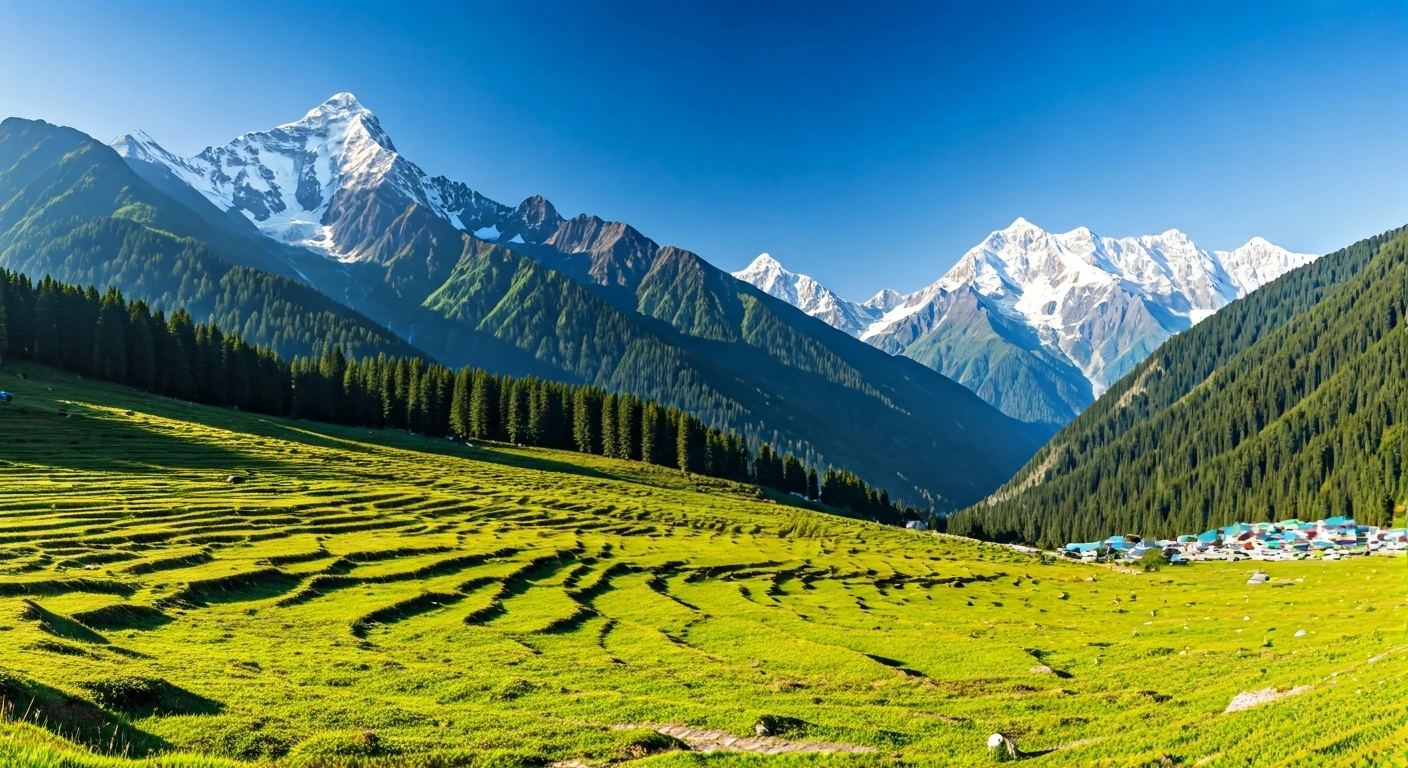
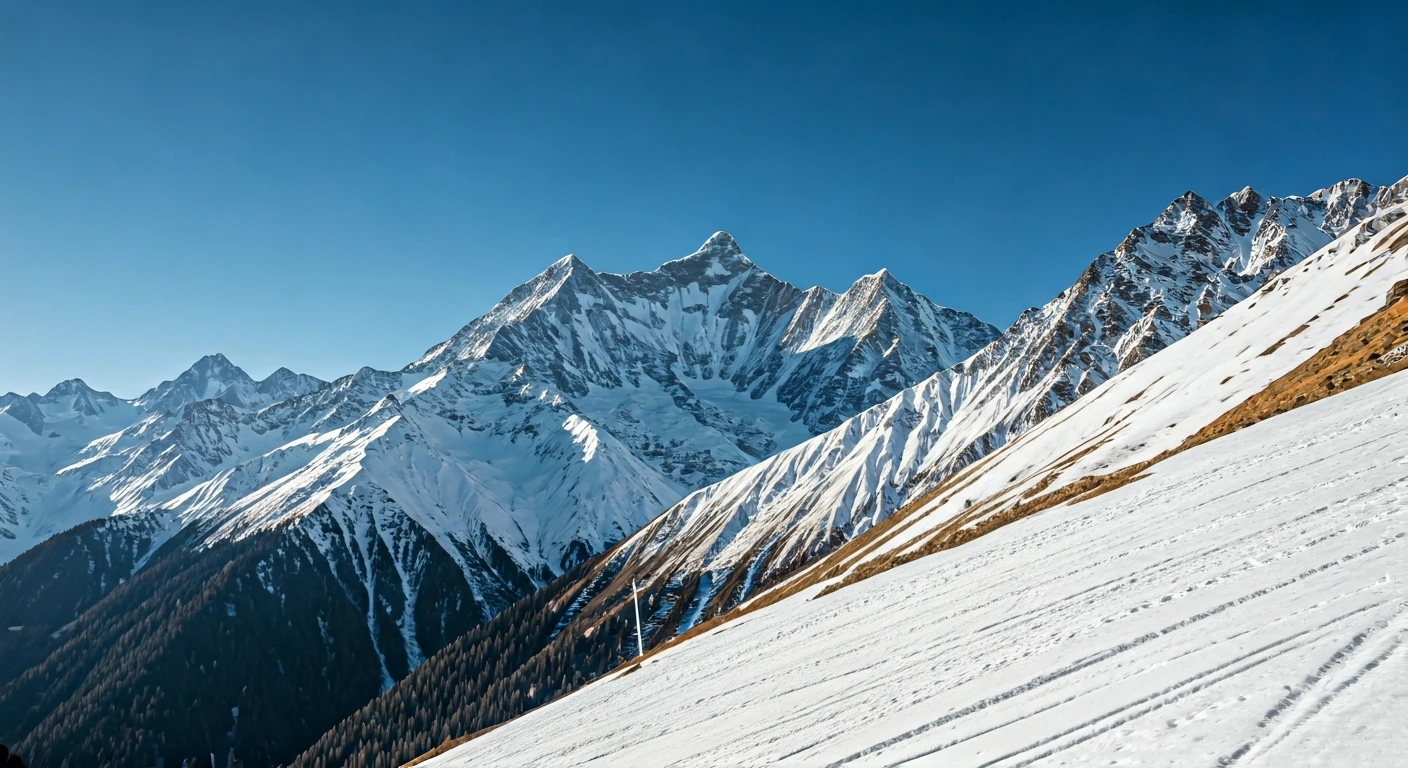
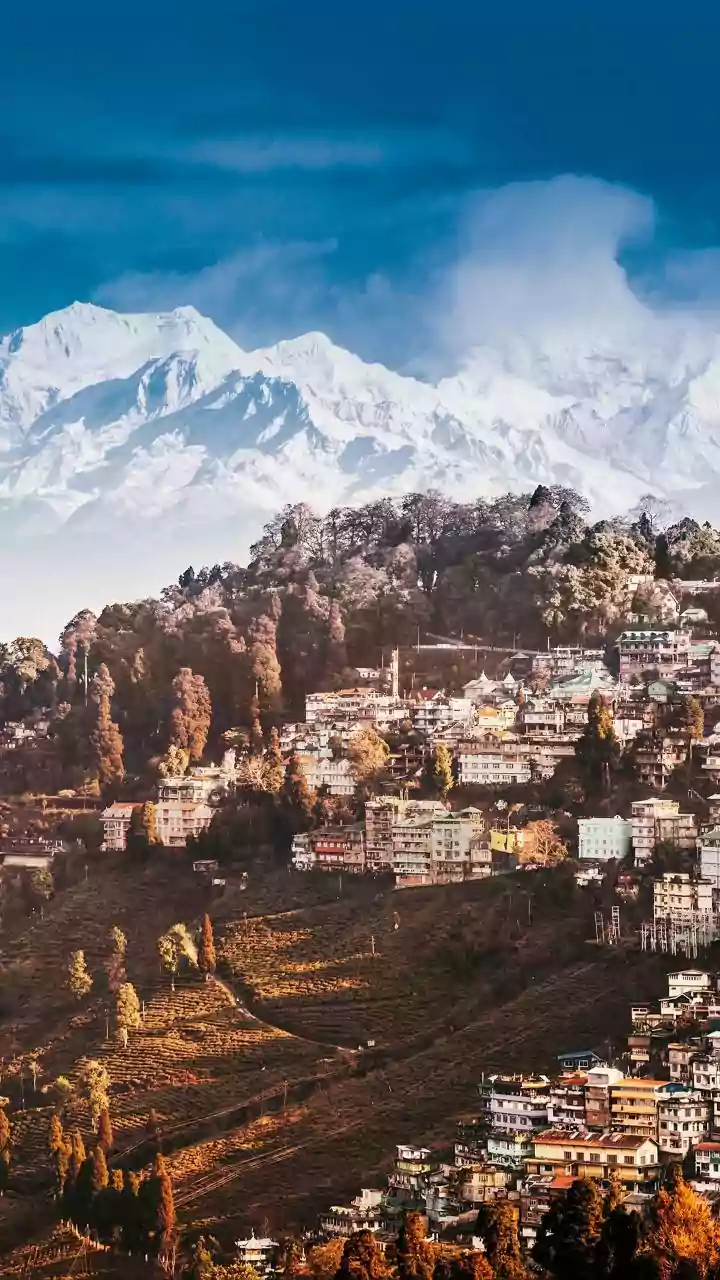
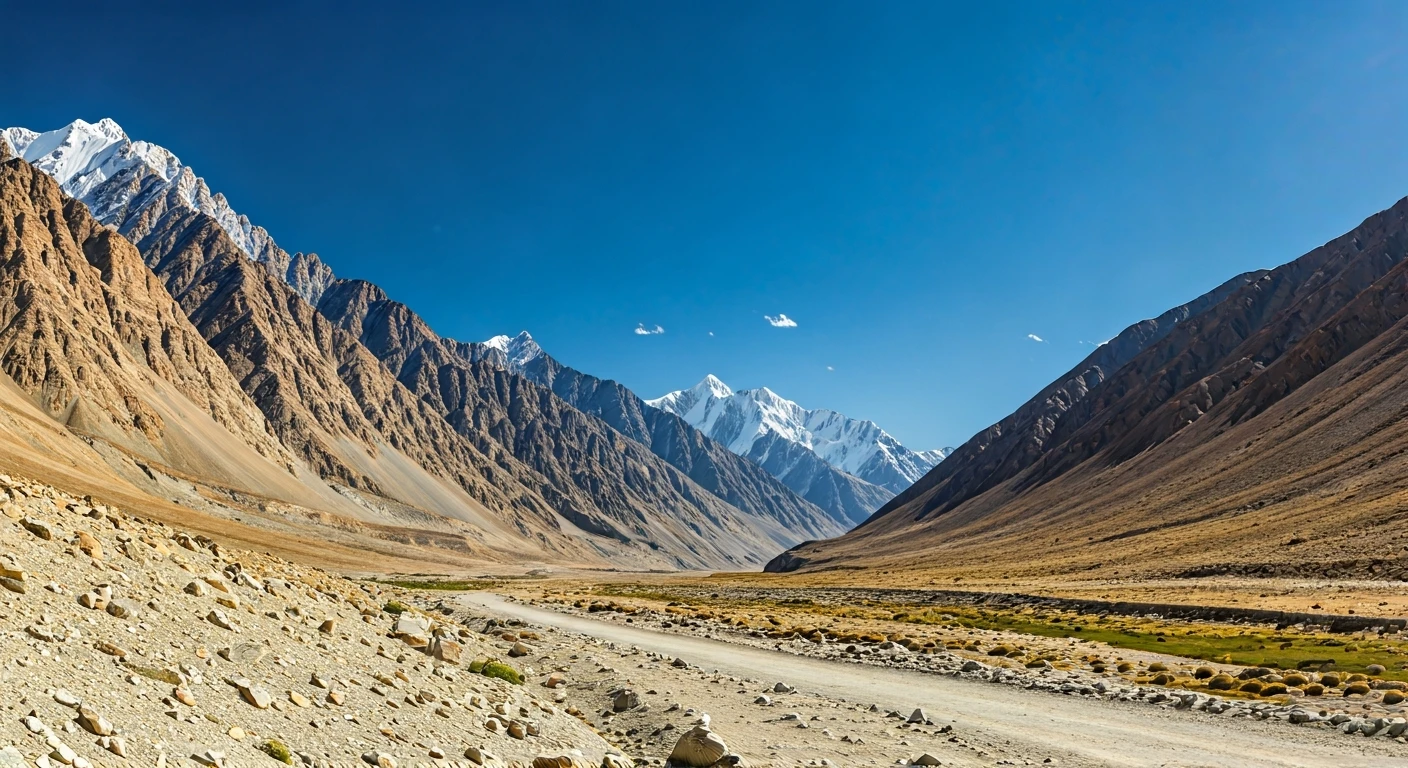
The solution for India’s increasingly heat-weary middle and upper classes is to head for the hills. Literally. The Himalayan states of Himachal Pradesh, Uttarakhand, and Kashmir are experiencing an unprecedented tourism boom, not during their traditional peak seasons, but during the sweltering months of the pre-monsoon summer. Mountain towns like Shimla, Manali, and Mussoorie are being inundated with what locals are calling “heat-refugee tourists.”
These aren't just weekend trips. With the rise of remote work, many are booking extended stays of weeks or even months. They pack their laptops along with their jackets, trading cramped, scorching city apartments for relatively cool mountain guesthouses. This phenomenon has given rise to the term “work from mountains,” a spinoff of the pandemic-era “work from home.” Travel agencies and booking platforms report that searches for cooler destinations skyrocket in direct proportion to the rising mercury on the plains. A trip to the mountains is no longer just a luxury; it’s being framed as a necessary expense for well-being and productivity.
A Double-Edged Blessing for Mountain Towns
For the destinations, this new travel pattern is a complex mix of economic boom and ecological strain. Hotels, restaurants, and taxi drivers are thriving, enjoying a longer and more lucrative tourist season than ever before. The influx of cash is a welcome boost to local economies that are heavily dependent on tourism.
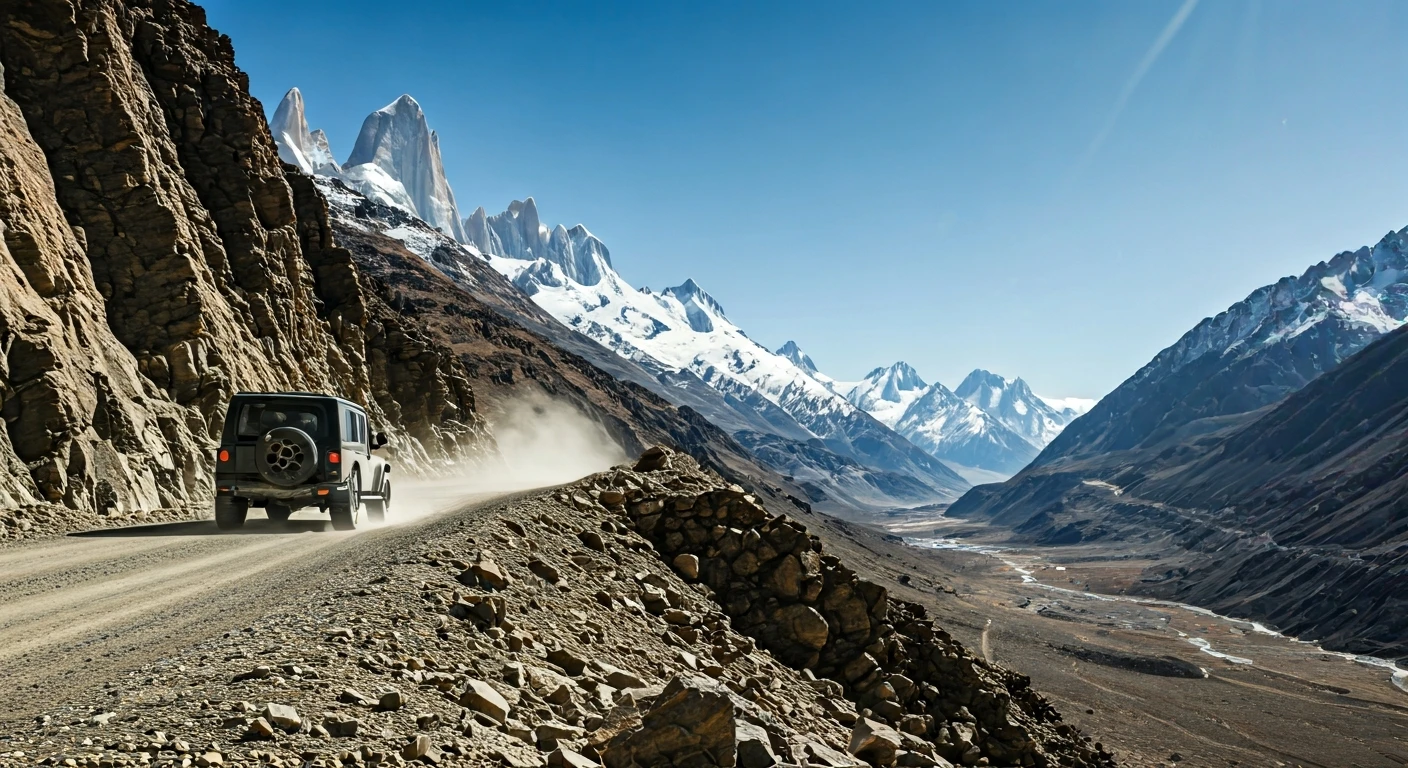
However, this deluge of visitors is pushing fragile mountain ecosystems to their breaking point. The sleepy hill stations, originally built by the British to serve a fraction of their current population, are choking on traffic. Bumper-to-bumper snarls snake for miles along narrow mountain roads. Water, already a precious resource, is becoming critically scarce as demand from hotels and tourists outstrips supply. Landfills are overflowing with plastic waste, and the delicate Himalayan environment is under immense pressure. The very thing people are fleeing—overcrowded, strained infrastructure—they are inadvertently recreating in the mountains.
A Glimpse of a Hotter Future
What is happening in India is more than a travel trend; it's a real-time case study in climate adaptation. As the world warms, this pattern of seasonal migration from hotter to cooler regions is likely to become more common globally, at least for those with the financial means to do so. It creates a new form of climate inequality: the affluent can buy their way to a more temperate reality, while the vast majority are left behind to suffer through life-threatening conditions.
The Indian “heat escape” is a preview of the choices and challenges that lie ahead. It raises critical questions about resource management, sustainable development, and social equity in an era of climate extremes. The annual flight to the mountains is no longer just a holiday; it's a symptom of a planet under duress and a society scrambling to cope.