






The Screen in Your Suitcase
For a while, the hotel of the future looked like a tech showroom. Rooms promised tablet-controlled lighting, voice-activated curtains, and smart mirrors displaying the morning’s headlines. The idea was to offer seamless, futuristic convenience. The reality,
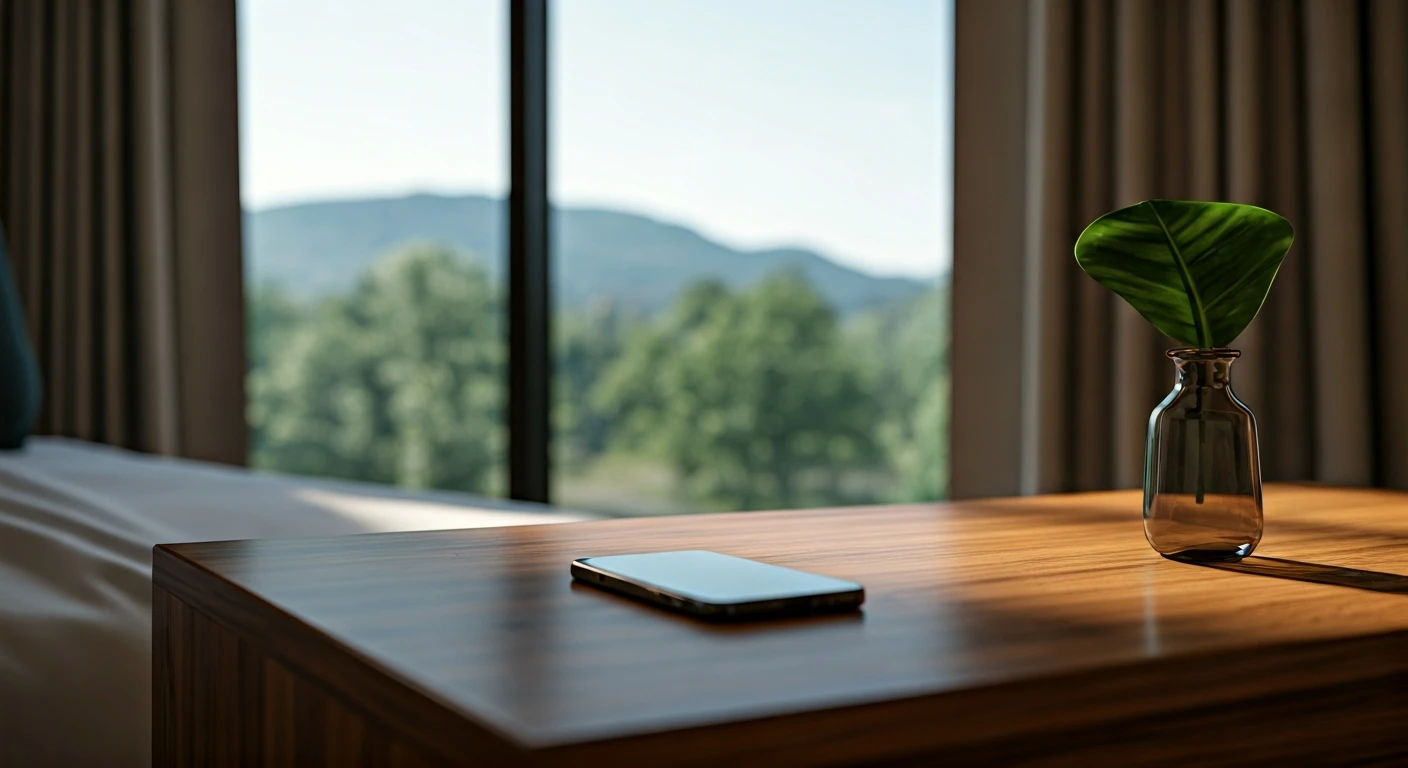
however, often felt like one more user interface to learn, one more glowing screen in a life already saturated with them. The paradox of the modern vacation is that we often carry our digital tethers with us, turning a change of scenery into merely a different backdrop for the same online habits. Hotels, in their race to be “smart,” sometimes forgot the primary goal of a getaway: to help guests disconnect, relax, and recharge. The friction of a glitchy room tablet or the impersonal chill of a hyper-automated space can undermine the very sense of escape travelers are paying for. It turns out, human-centered hospitality isn’t always about having the latest app.
From Smart Tech to Slow Moments
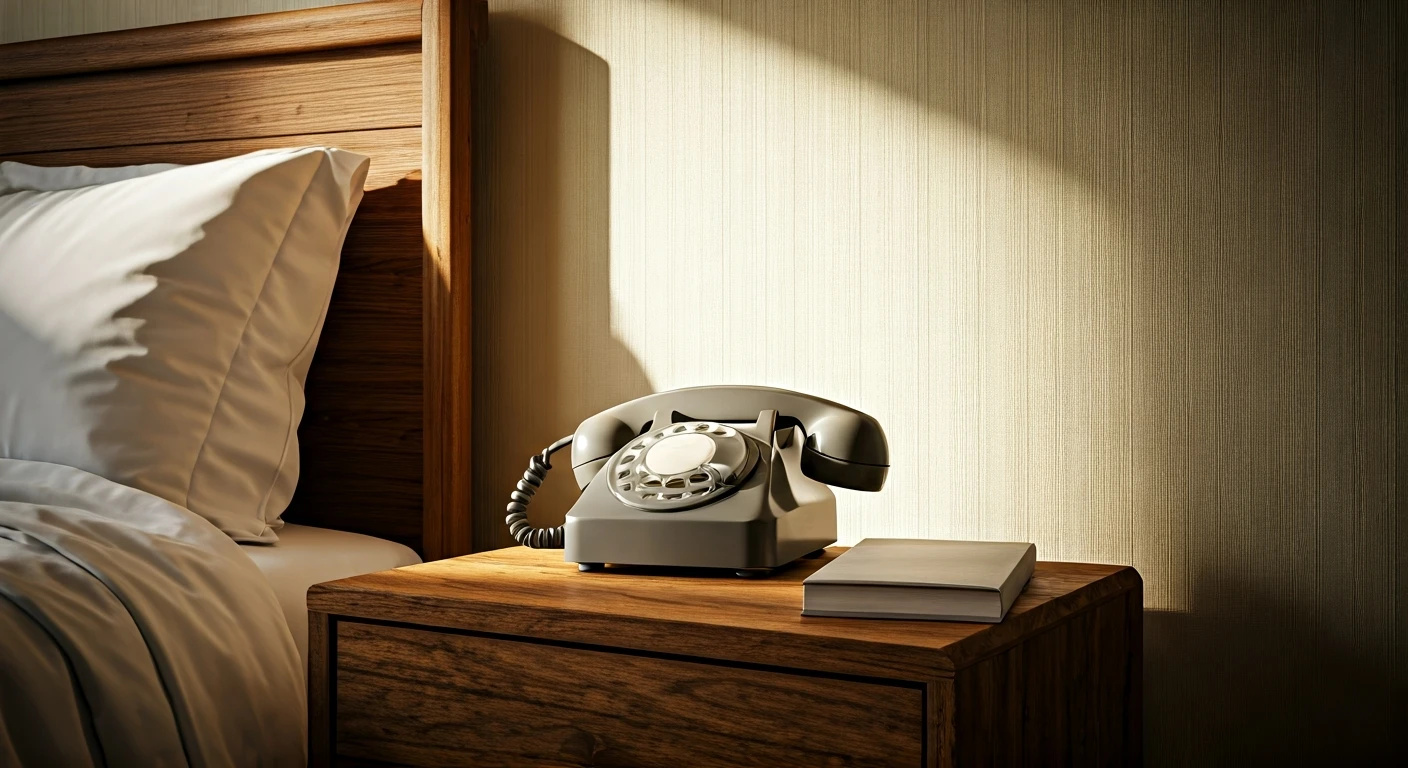
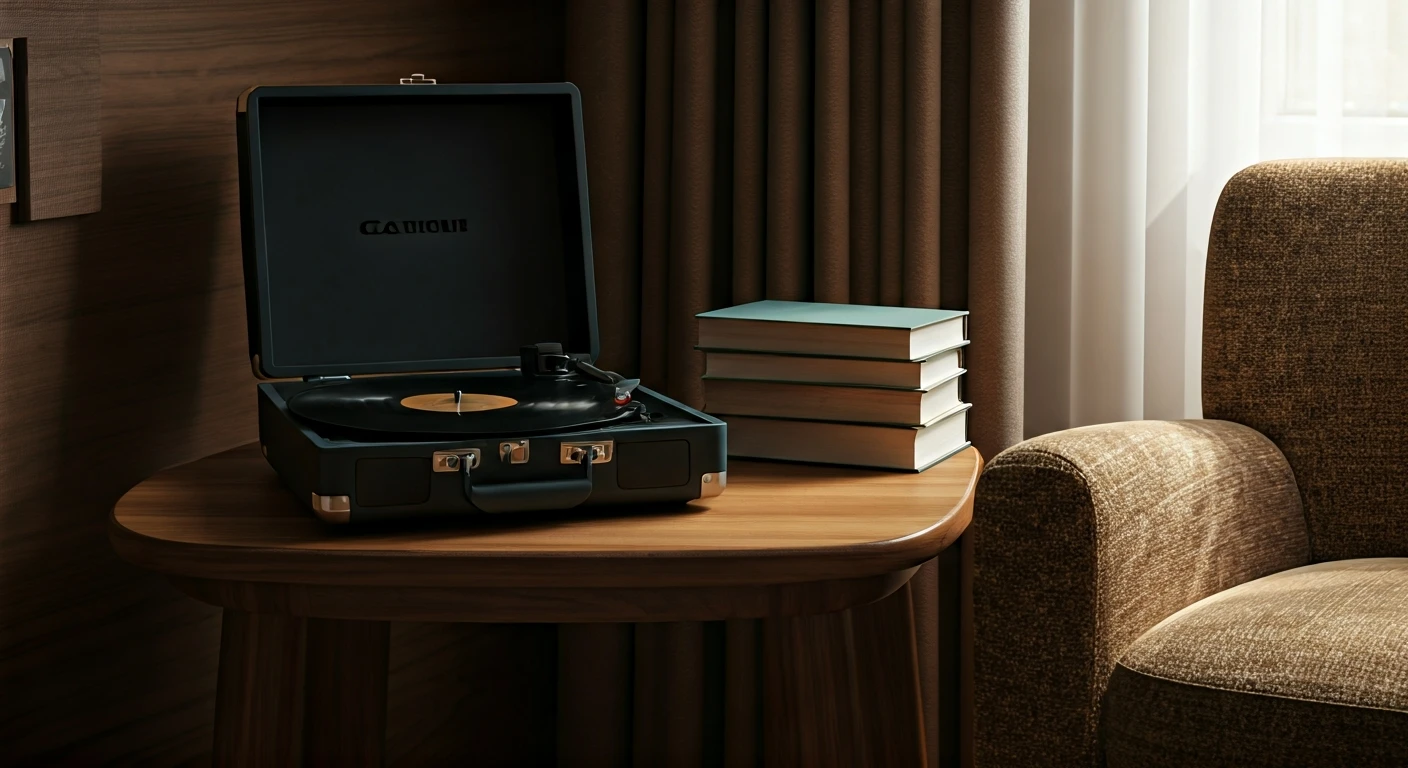
Now, a quiet revolution is redefining luxury. Instead of more pixels, discerning hotels are offering something far more valuable: permission to unplug. This is the essence of the “analogue hotel” movement. It’s less about being anti-technology and more about being pro-human experience. The new ultimate amenities aren’t digital; they are tactile, nostalgic, and designed to foster a sense of presence. You’ll find this ethos at properties like The LINE Hotel, which places curated vinyl records and a turntable in its rooms, inviting guests to create a personal soundtrack. At The Hoxton, rooms feature a curated selection of books, turning the nightstand into a tiny, personal library. Some hotels are even reintroducing rotary phones for internal calls or providing guests with Polaroid cameras, encouraging them to capture memories on film instead of in a cloud. These aren't just quirky gimmicks; they are deliberate design choices that gently nudge guests away from their phones and toward the physical world around them.
The Allure of Physical Things
Why does flipping a record feel so much more satisfying than asking a smart speaker to play a song? It’s about engagement. Analogue objects require a small, mindful ritual. You have to choose the record, slide it from its sleeve, and carefully place the needle on the vinyl. This small act of intention is a world away from the passive consumption of a digital playlist. It’s a moment of focus in a world of constant distraction. Similarly, leafing through a physical book, with its unique weight and texture, provides a sensory experience that an e-reader can’t replicate. This trend taps into a deeper psychological need for tangible interaction. In a world dominated by smooth, cold glass screens, the warmth of wood, the texture of paper, and the satisfying click of a mechanical object offer a form of grounding. These analogue touches make a hotel stay feel less like a transaction and more like stepping into a thoughtfully crafted, personal space.
Not Anti-Tech, but Pro-Connection
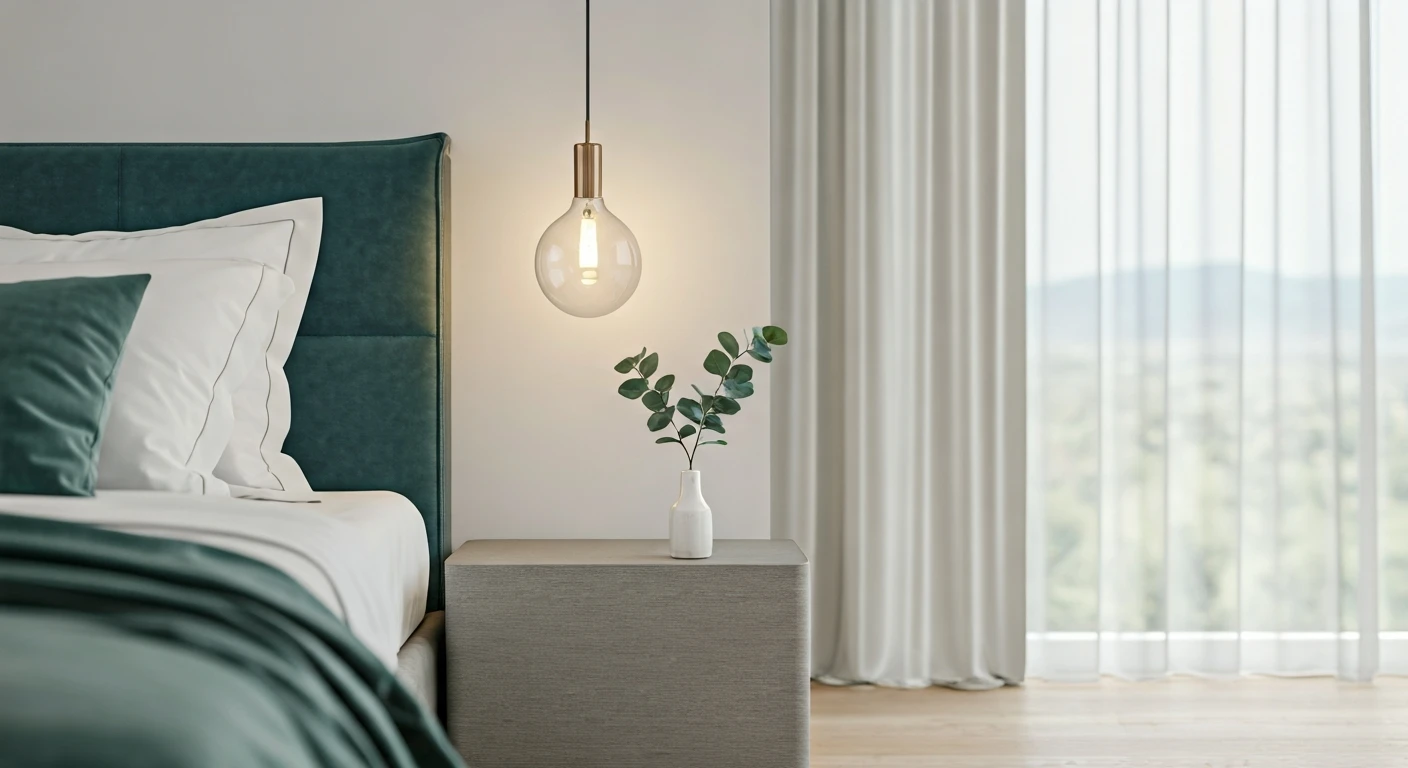
It’s important to clarify that the analogue hotel is not a Luddite’s cave. You’ll still find high-speed Wi-Fi (it remains a non-negotiable utility), and the booking process is likely a seamless digital affair. The key is in the curation. The best of these hotels use technology to make the functional aspects of a stay effortless—think keyless entry or easy-to-use charging ports—so that the experiential aspects can be wonderfully, intentionally low-tech. The goal isn’t to eliminate technology but to put it in its proper place: as a tool that serves us, not a master that distracts us. This philosophy extends beyond the room itself. Many of these properties emphasize communal spaces with board games, cozy firepits, and workshops—from cocktail making to pottery—that encourage guests to interact with each other. The focus shifts from broadcasting your experience online to simply having one.