

Beyond the Beige Box
There’s a quiet revolution happening in mountain towns from the Rockies to the Appalachians. It’s a move away from the predictable and toward the personal. For decades, a mountain vacation meant choosing between a rustic, slightly-too-musty cabin or a corporate
hotel chain where the room in Breckenridge was indistinguishable from one in Bakersfield. That era is over. Driven by the rise of platforms like Airbnb and Vrbo and a broader cultural hunger for authenticity, travelers are demanding accommodations that feel like a destination in themselves. They don't just want to visit the mountains; they want to feel connected to the spirit of the place. This isn't about luxury in the traditional sense—it's about character. It's the understanding that where you sleep is part of the adventure, not just a functional necessity after a day on the trails.
History You Can Sleep In
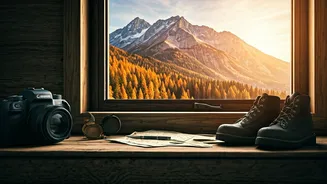
One of the most powerful stories a place can tell is its own history. Across the American West and East, savvy hosts and boutique hoteliers are breathing new life into structures with a past. Think of a collection of 19th-century miners' cabins in Colorado, meticulously restored with modern comforts but retaining their rough-hewn soul. Or a former general store in a Vermont village, now a guesthouse where the original wide-plank floors creak with tales of a bygone era. These places offer a tangible link to the area's heritage. Staying in one isn’t just a transaction; it’s an act of participation in a living timeline. The story isn't a gimmick written on a placard in the lobby. It’s in the worn stone of the fireplace, the slant of the roof, and the view from a window that has seen a century of changing seasons. This is what travelers mean when they talk about authenticity: the feeling that you are sleeping somewhere that truly belongs.
The Host as the Hero
Sometimes, the story isn't in the walls—it's in the person handing you the key. The modern traveler is increasingly drawn to stays where the host is an integral part of the experience. This could be the retired forest ranger who rents out a room and provides hand-drawn maps to his favorite secret waterfalls, or the artist couple whose gallery-like cabin is filled with their own work. In a world of digital check-ins and faceless interactions, a host with a story offers a rare and valuable human connection. They are the antithesis of the anonymous front desk clerk. They are the local experts, the storytellers, and the gatekeepers to a deeper understanding of the community. Booking a stay with them isn't just about renting a space; it's about gaining temporary access to a curated, insider version of the place you’re visiting. Their passion for their home becomes your guide, turning a simple vacation into a richer, more personal journey.
Design with a Point of View
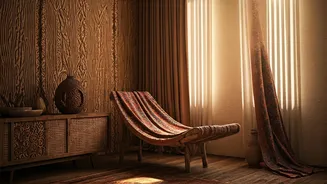
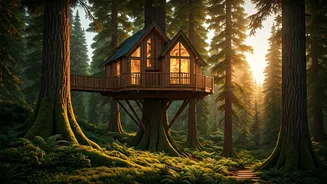
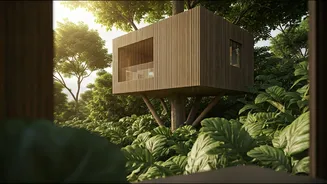
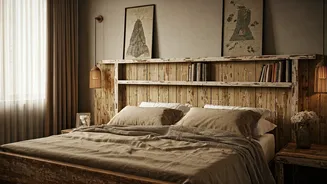
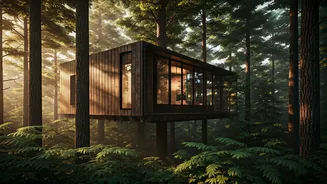
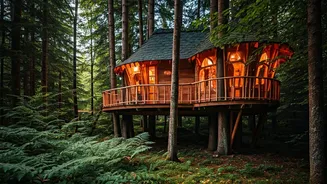
Finally, there’s the story told through design. This goes far beyond generic “modern farmhouse” or “rustic chic” aesthetics. The most compelling stays have a clear and intentional design narrative. Consider the minimalist A-frame cabin in the Pacific Northwest, where every piece of furniture is locally made and the architecture is designed to maximize the connection to the surrounding forest. Or the desert home near a national park, built with rammed earth and passive solar principles, telling a story of sustainability and harmony with a harsh environment. This isn’t just about looking good on Instagram, though that certainly helps. It’s about creating a cohesive, immersive environment that reflects a specific ethos or point of view. The story is in the craftsmanship, the choice of materials, and the way the space makes you feel. It's a testament to the idea that thoughtful design can elevate a simple shelter into a memorable experience.