




The Dish Defying Expectation
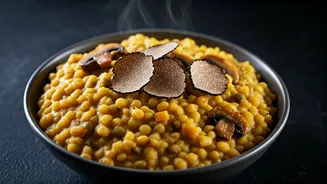
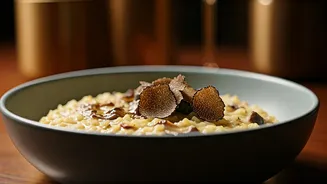
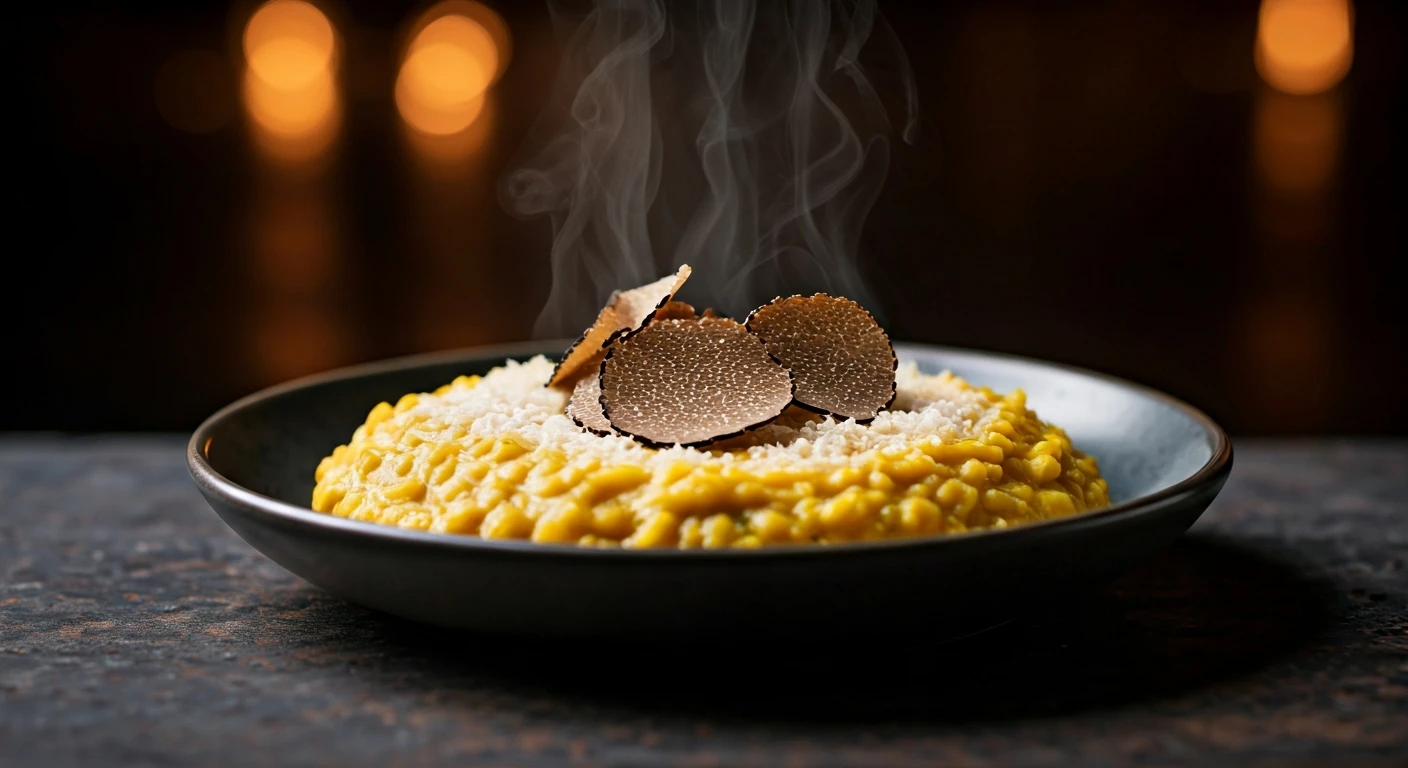
Picture this: a creamy, steaming bowl arrives at your table. It has the familiar, comforting consistency of a risotto or a hearty porridge. But the aroma is something else entirely—the earthy, heady scent of black truffle, mingling with the sharp, salty
tang of aged Parmigiano-Reggiano. A spoonful reveals tender grains of rice and lentils, punctuated by savory, umami-rich wild mushrooms. This isn't your nonna's risotto, and it's certainly not your nani's khichdi. This is the new face of Indian fusion, a dish that's both a comforting hug and a confident declaration. In cities across the U.S., from New York to San Francisco, chefs are using the pop-up model to experiment, and this new-wave khichdi is becoming a signature showstopper. It challenges diners' expectations, asking them to see a familiar food in a completely new, luxurious light.
The Soul of Indian Comfort Food
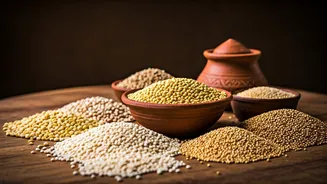
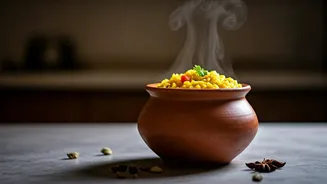
To understand why this truffle-and-cheese version is so revolutionary, you first have to understand traditional khichdi. For hundreds of millions in India and across the diaspora, khichdi is the ultimate comfort food. It’s the Indian equivalent of chicken noodle soup, mac and cheese, and congee all rolled into one. At its simplest, it’s a porridge of rice and lentils (usually moong dal), simmered with a touch of turmeric and salt. It’s the first solid food fed to babies, the nourishing meal prescribed when you’re sick, and the simple, reliable dinner for when you’re too tired to cook anything else. It's humble, wholesome, and deeply rooted in the home kitchen, not the restaurant. Every family has its own recipe, some adding mild spices or vegetables, but its soul is in its simplicity.
The Gourmet Glow-Up
So, how did this simple, rustic dish end up wearing a tuxedo of truffle and parmesan? The transformation is a perfect example of a broader movement in modern Indian gastronomy. A new generation of chefs, trained in global techniques but deeply connected to their heritage, are revisiting the classics with fresh eyes. They see a dish like khichdi not as something to be preserved in amber, but as a perfect canvas. The creamy, neutral base is ideal for carrying bold flavors. The umami from mushrooms and parmesan complements the earthy lentils, while the luxuriousness of truffle oil elevates the entire experience. It’s a deliberate collision of worlds: Italian indulgence meets Indian comfort. This isn't about replacing the original; it's about showcasing its versatility and proving that Indian food can be as refined, experimental, and globally fluent as any other cuisine.
A New Chapter for Indian Cuisine
This gourmet khichdi is more than just a passing trend; it’s a delicious symbol of a culinary sea change. For decades, Indian food in America was often stereotyped and confined to a limited menu of lunch buffets and curry-house staples. Chefs were expected to serve a predictable, Anglicized version of their cuisine. Today, that’s changing fast. Visionaries like the late Floyd Cardoz, and contemporaries like Surbhi Sahni and Chintan Pandya, have been championing regional Indian cuisines and using high-quality ingredients and modern techniques to tell a different story. They are breaking free from the tyranny of “authenticity” as defined by outsiders. A dish like Parmesan Mushroom Truffle Khichdi is a confident statement that Indian food doesn't have to be cheap, spicy, or traditional to be valid. It can be innovative, luxurious, and, most importantly, whatever its creators want it to be.