




A Kingdom in the Clouds
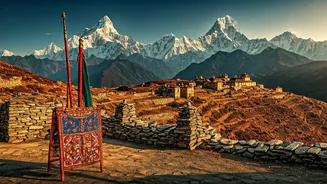
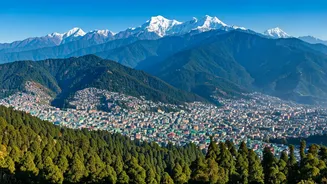
For most Americans, the state of Sikkim is a beautiful mystery. Tucked into the Himalayan mountains, this small Indian state is bordered by Nepal, Bhutan, and Tibet, and its culture is a rich tapestry woven from those influences and its own indigenous
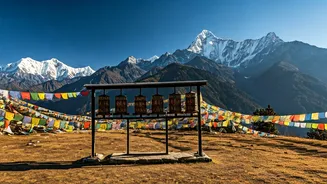
roots. Until 1975, it was its own independent kingdom, a history that lends it a fiercely unique identity. Known for its pristine alpine forests, soaring peaks like Kangchenjunga (the third highest in the world), and a deep-seated Buddhist heritage, Sikkim is a world away from the bustling metropolises often associated with India. It's a place where prayer flags flutter on every ridge and a commitment to environmentalism has made it the country's first fully organic state. The annual Summer Festival, held in the capital city of Gangtok, is the region’s moment to share that unique identity with the world.
A Feast for the Senses
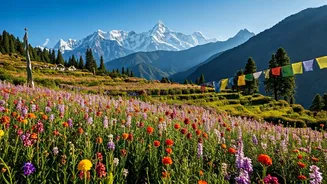
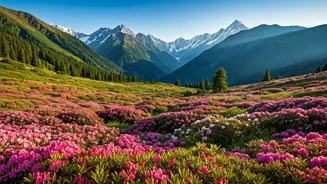
The festival, typically held throughout the month of May, is a meticulously curated experience designed to overwhelm the senses in the best way possible. The centerpiece is often the flower show. As winter recedes, Sikkim explodes in a riot of color, and the festival showcases hundreds of species of orchids, rhododendrons, and other native flora. It’s a horticulturalist’s dream set against a mountain backdrop. But the celebration is more than just visual. The air fills with the sounds of traditional folk music, performed by musicians in elaborate, brightly colored costumes. Dancers perform ancient routines, like the energetic Yak Chaam (the Yak Dance) and the solemn, masked dances that depict Buddhist fables and local folklore. These aren't just performances for tourists; they are living traditions passed down through generations, and the festival provides a vital stage.
More Than Momos and Mountains
And then there’s the food. Food stalls are a cornerstone of the festival, offering visitors a taste of authentic Sikkimese cuisine. Far beyond the standard curry, the local food is a reflection of its Tibetan and Nepali heritage. Steaming baskets of momos (dumplings filled with meat or vegetables), hearty bowls of thukpa (a savory noodle soup), and dishes featuring fermented greens and local cheeses are staples. For the more adventurous, there's even tongba, a traditional millet beer served warm in a bamboo container. Beyond the cultural displays, the festival leverages Sikkim's dramatic landscape by promoting adventure sports. Thrill-seekers can take to the skies with paragliding for a bird's-eye view of the valleys or tackle the rapids of the Teesta River with white-water rafting. This blend of culture and adventure is a deliberate strategy, broadening the region's appeal.
Why Its Success Matters
The declaration that the festival was a “success” is more than just a celebratory statement. In a globalized world where unique local cultures are often at risk of being diluted, events like this serve a dual purpose. For the people of Sikkim, it is an expression of pride and a mechanism for cultural preservation, ensuring that traditional songs, dances, and crafts remain relevant and are passed to younger generations. Economically, its success is a lifeline. The festival is a major driver of tourism, bringing in revenue that supports local artisans, hoteliers, guides, and farmers. It’s a model of sustainable tourism where the very act of celebrating culture becomes the economic engine that helps protect it. By successfully wrapping another year, Sikkim has reaffirmed its commitment to this delicate balance, proving that cultural authenticity and modern tourism can not only coexist but thrive together.