
Beyond 'Farm-to-Table'
For years, “farm-to-table” has been the gold standard for conscious dining. It signaled freshness and a commitment to sourcing from the surrounding region. But a new, more granular movement is taking hold: hyperlocalism. If farm-to-table is about sourcing from your
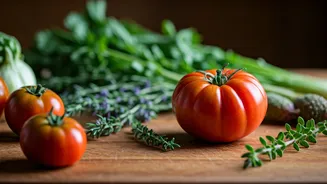
county, hyperlocal is about sourcing from a specific patch of woods behind the restaurant, a single heritage fruit tree in a neighbor’s yard, or a forgotten vegetable variety revived by one dedicated farmer down the road. It moves beyond the general promise of “local” and into the realm of the specific, the singular, and the story-driven. This isn't just about reducing food miles; it’s about celebrating a particularity of place that can’t be replicated anywhere else. It’s the difference between a “New England Seafood Chowder” and “Chowder with Quahogs from Bob’s Dock, Dug at Low Tide This Morning.”
The Chef as Storyteller
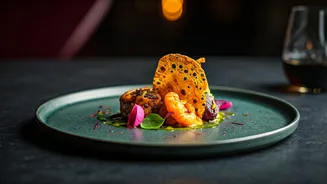
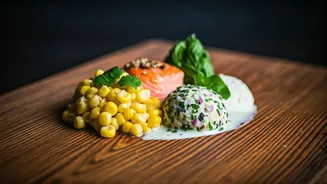
In this model, the chef’s role expands from cook to curator and narrator. The menu becomes their script, and each ingredient is a character with a backstory. A dish might be built around foraged wild mushrooms that only appear for two weeks a year in a nearby state park, or a heritage pig breed raised by a family that has farmed the same land for five generations. By including these details—either on the menu or through a well-trained server—the chef isn’t just selling a meal; they’re offering a connection. Diners are invited to participate in a story about community, history, and ecology. This narrative layer transforms the act of eating from a simple transaction into an immersive experience, adding a depth of flavor that no spice can provide on its own.
From Urban Gardens to Coastal Foraging
This trend isn't confined to restaurants nestled in idyllic farmland. In dense urban centers, chefs are cultivating rooftop gardens, partnering with community plots, and even exploring urban foraging for edible weeds like purslane and dandelion greens that thrive in overlooked city spaces. On the coasts, restaurants are building relationships with individual fishermen, buying their daily catch directly off the boat and listing the fisherman’s name on the menu. In the mountain states, chefs are collaborating with ranchers on custom-raised livestock and rediscovering ancient grains that grow best at high altitudes. Each of these acts serves the same purpose: to ground the food in a tangible, verifiable place and story. It proves that a deep connection to sourcing can be found anywhere, if you’re willing to look closely enough.
Why Authenticity Sells
While the movement is rooted in a genuine passion for place, there are also savvy business reasons behind it. In a crowded restaurant market, a compelling hyperlocal story is a powerful differentiator. It creates a unique brand identity that can't be easily copied. It also builds a different kind of customer loyalty, one based on shared values and a feeling of being an insider. Diners who know the story of their salt-roasted beets—that they came from Farmer Jane’s most challenging crop this year—feel a deeper bond with the establishment. This narrative richness can also justify a premium price point. Customers are often willing to pay more when they understand the craft, care, and specific relationships that went into creating their meal. It’s the ultimate expression of value: not just a plate of food, but a piece of a place.