








So, What Exactly Is It?
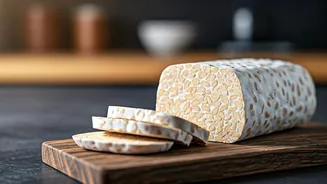
First, let's clear up the basics. Tempeh (pronounced tem-PAY) is a traditional Indonesian food made from fermented soybeans. Unlike other soy products, it’s made with whole soybeans that are cooked, lightly mashed, and then bound together into a firm,
dense cake by a type of edible mold, *Rhizopus oligosporus*. If that sounds a little strange, just think of it like the beneficial mold in blue cheese. This fermentation process creates a 'meaty' block with a firm, chewy bite and a distinctive nutty, earthy, and slightly mushroom-like flavor. It's less a blank slate and more a food with character, ready to absorb the flavors you throw at it while still holding its own.
The Tofu vs. Tempeh Showdown
For many Americans, the immediate point of comparison is tofu. While both originate from soybeans, that’s where the similarities largely end. Tofu is made from coagulated soy milk, much like cheese is made from dairy milk. This process gives it a softer, more uniform texture. Tempeh, on the other hand, is made from the whole soybean, giving it a huge advantage in nutrition and texture. Because it uses the entire bean, tempeh is significantly higher in protein, fiber, and micronutrients like iron and magnesium than most tofu varieties. The fermentation process also makes these nutrients more bioavailable for your body to absorb. Texturally, it's a world apart. Where tofu can be spongy or silky, tempeh is always firm and offers a satisfying chew, which is why it holds up so well to grilling, sautéing, and baking without falling apart.
A Gut-Friendly Powerhouse
The magic of tempeh lies in fermentation. That friendly mold doesn't just bind the soybeans together; it transforms them. The process breaks down phytic acid, a compound in soybeans that can inhibit the absorption of minerals. This means your body gets more of the good stuff packed into the beans. Furthermore, tempeh is a fantastic source of prebiotics—a type of dietary fiber that feeds the beneficial bacteria in your gut. While it's not typically a source of live probiotics (the cooking process usually neutralizes them), its prebiotic content is a major win for digestive health. In an era where gut health is finally getting the attention it deserves, tempeh’s natural, fermented origins make it an incredibly modern choice.
How to Actually Cook With It
Intrigued but intimidated? Don't be. Cooking with tempeh is surprisingly simple. Many packages come pre-cooked, but a pro tip is to steam or simmer the block for about 10 minutes before you do anything else. This step softens the tempeh slightly and helps remove any hint of bitterness, making it a more receptive canvas for your flavors. After steaming, pat it dry and let your creativity fly. Slice it into planks for sandwiches or grilling, cube it for stir-fries and skewers, or crumble it in a pan to use as a replacement for ground meat in tacos, chili, or pasta sauce. Its firm structure loves a good marinade. Think bold flavors: soy sauce, maple syrup, ginger, garlic, smoked paprika, and liquid smoke all work wonders. Pan-fry it until golden and crispy, and you'll have a protein that's anything but boring.