






1. Go Back to Basics With Cleansing
The first step to a healthy skin barrier is often doing less, not more. Harsh, stripping cleansers that leave your skin feeling “squeaky clean” are a primary culprit in barrier damage. That tight feeling is a sign that you’ve washed away the natural lipids
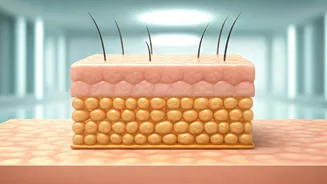
that keep your skin’s outer layer, the stratum corneum, intact. Instead, opt for a gentle, pH-balanced cleanser. Look for creamy, milky, or gel-based formulas that are labeled “sulfate-free.” These cleansers effectively remove dirt and makeup without compromising your skin’s natural defenses. Furthermore, stick to washing your face just twice a day—once in the morning and once at night. Over-washing, even with a gentle product, can disrupt the delicate balance of oils and moisture your barrier needs to function.
2. Moisturize Strategically
Moisturizer is the cornerstone of barrier repair and maintenance. A compromised barrier is essentially a leaky one; it can’t hold onto water, leading to dehydration and sensitivity. The right moisturizer acts like spackle for the tiny cracks in your skin’s wall. Look for three key types of ingredients: humectants (like hyaluronic acid and glycerin) to draw water into the skin, emollients (like squalane and shea butter) to soften and smooth, and occlusives (like petrolatum or ceramides) to seal it all in. Ceramides are particularly crucial, as they are lipids that naturally make up about 50% of your skin barrier. Applying moisturizer to slightly damp skin—right after cleansing—helps trap that surface hydration for maximum benefit. This simple step is a non-negotiable for keeping your skin’s defenses strong day after day.
3. Re-evaluate Your Exfoliation Habit
In the quest for glowing skin, it's easy to overdo it with exfoliants. Aggressive physical scrubs with large, jagged particles (like crushed nuts or seeds) can create micro-tears in the skin, directly damaging the barrier. Likewise, using high-strength chemical exfoliants like AHAs and BHAs too frequently can strip the skin and lead to chronic inflammation and sensitivity. The key to exfoliation is moderation. For most people, exfoliating one to three times per week is sufficient. If your barrier is already feeling compromised—indicated by redness, stinging, or peeling—it’s best to pause all exfoliation until your skin has fully recovered. When you do exfoliate, choose a product with a lower concentration of acids or a gentle enzyme-based exfoliant.
4. Make Sunscreen an Everyday Essential
If you do only one thing for your skin’s longevity, make it wearing sunscreen. UV radiation is one of the most significant external aggressors that weakens the skin barrier. It generates free radicals, which cause oxidative stress that breaks down collagen and degrades the lipids holding your skin cells together. This damage not only accelerates visible signs of aging but also makes your skin more vulnerable to irritation and moisture loss. To effectively protect your barrier, apply a broad-spectrum sunscreen with an SPF of 30 or higher every single morning, regardless of the weather. It’s the single most effective tool you have for preserving skin health over a lifetime, making it the ultimate longevity routine.
5. Support Your Skin from the Inside
A strong skin barrier isn’t just built from the outside in. Your overall health and diet play a significant role. Chronic stress, lack of sleep, and poor nutrition can all manifest as a weakened barrier. Staying hydrated by drinking plenty of water is fundamental, as it provides the moisture your skin needs to remain plump and functional. Additionally, a diet rich in antioxidants (found in colorful fruits and vegetables) can help your skin fight off free radical damage. Healthy fats, particularly omega-3 fatty acids found in fish, flaxseed, and walnuts, are also essential for producing the lipids that form a resilient and healthy skin barrier. Think of it as a holistic approach: a calm mind, a rested body, and a nutrient-dense diet are the foundation upon which your topical skincare routine can truly shine.