



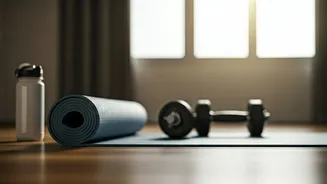


From Quick Fixes to Sustainable Habits
Remember the era of endless HIIT classes, punishing bootcamps, and transformation challenges that promised a new body in six weeks? That intense, all-or-nothing approach is beginning to feel dated. A significant shift is happening in the wellness world,
moving the goalposts from short-term aesthetic wins to long-term health and vitality. This new philosophy, often called 'longevity fitness' or 'sustainable training,' isn't about getting 'beach-ready.' It's about being able to hike, play with your kids, carry groceries, and feel energetic in your body not just this summer, but for decades to come. It trades the 'no pain, no gain' mindset for a more strategic one: 'no point, no pain.' The focus is on consistency over intensity, building a foundation of health that supports a long, active life rather than burning out in pursuit of a fleeting goal.
The Backlash Against Burnout Culture
So, why is this happening now? In many ways, the fitness world is simply catching up to a broader cultural exhaustion. We've spent a decade romanticizing 'the hustle' in our careers, and that same mentality bled into our gyms. The result was predictable: physical and mental burnout. Many people who threw themselves into extreme workout regimens ended up injured, exhausted, and disillusioned when the results didn't last. The longevity trend is a direct response to this. It acknowledges that recovery is just as important as the workout itself. It prioritizes listening to your body over pushing through pain. In a world that constantly demands more, this approach feels refreshingly sane. It re-frames exercise not as another obligation to crush, but as a form of self-care designed to build resilience against the stresses of modern life.
The Pillars of Longevity Fitness
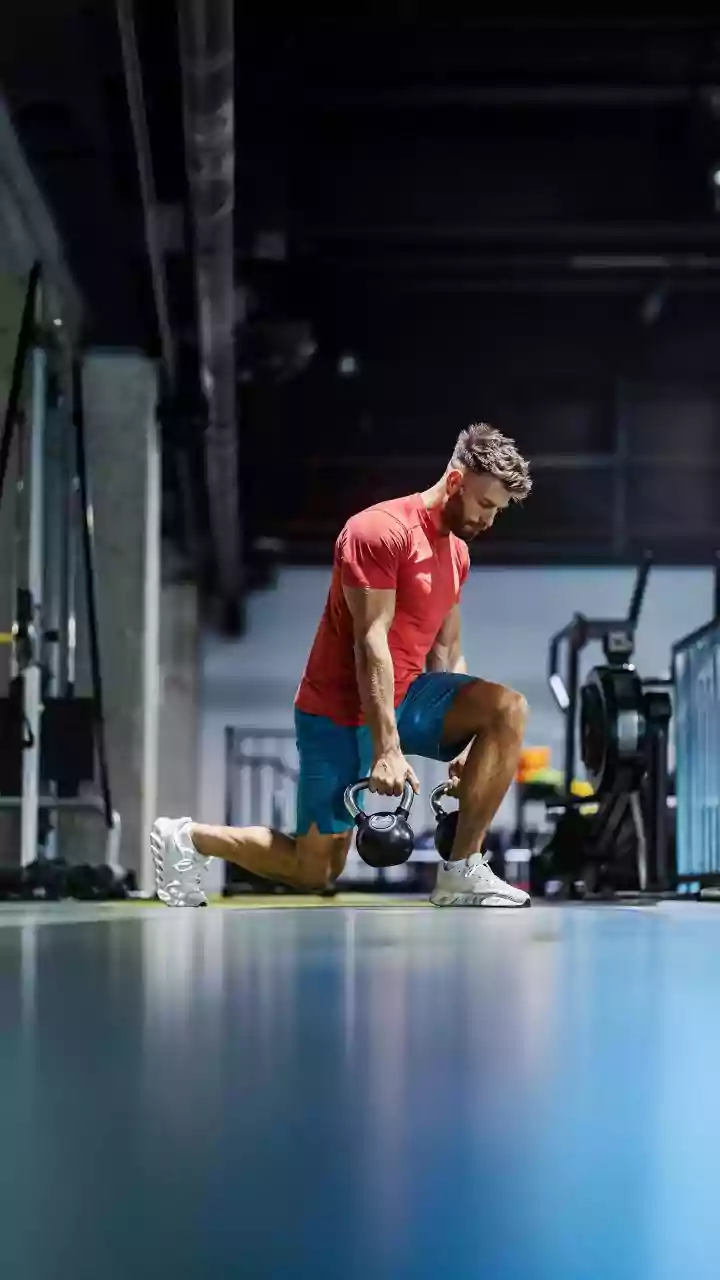
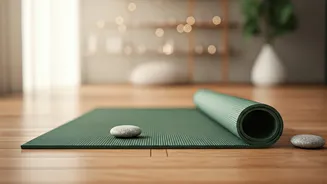
What does this look like in practice? It’s less about exotic new exercises and more about mastering the fundamentals. One key pillar is an increased focus on Zone 2 cardio—steady-state activity like brisk walking, light jogging, or cycling where you can still hold a conversation. This builds your aerobic base without hammering your system. Another is a renewed appreciation for basic, functional strength training. Instead of complex, high-risk movements, the emphasis is on mastering compound lifts like squats, deadlifts, and overhead presses to build muscle mass and preserve bone density, which are crucial for aging well. Finally, there's a huge surge in the popularity of mobility and stability work. Once considered just a warm-up or cool-down, practices that improve range of motion and joint control are now seen as essential components for preventing injury and maintaining fluid movement for life.
Redefining What 'Results' Really Mean
Perhaps the most profound change is the redefinition of success. The fitness industry has long been driven by visual 'results'—before-and-after photos, weight loss numbers, and body-fat percentages. The longevity movement proposes a different set of metrics. Success is no longer just about how you look, but how you feel and function. Can you get up off the floor without using your hands? Do you have the energy for a spontaneous weekend adventure? Is your sleep improving? Are you building habits you can actually stick with for years, not just weeks? This shift moves the goal from a destination (a certain weight or look) to a continuous journey. The 'result' is the process itself: the quiet satisfaction of building a stronger, more resilient, and more capable version of yourself, one smart workout at a time.