




The Rebellion Against the Food Coma
For decades, a heavy, satisfying meal was often followed by a period of quiet lethargy—the classic “food coma.” It was the accepted, even celebrated, price of admission for a decadent pasta dish, a massive burger, or a holiday feast. But for Millennials
and Gen Z, who grew up in an era of wellness culture and optimization, that trade-off is losing its appeal. This isn't about dieting or deprivation. These young consumers are still very much “foodies,” obsessed with farmers' markets, intricate recipes, and viral food trends. The difference is a new, non-negotiable demand: food must not only taste good, but it must make them *feel* good, both during and long after the meal. The post-meal slump is being re-categorized from a minor inconvenience to a productivity killer and a sign of a poorly constructed meal.
The Science of the Slump
So, what exactly is this “slump” they’re trying to avoid? The official term is postprandial somnolence, and it’s a natural biological response. When you consume a meal high in refined carbohydrates and sugars—think white bread, sugary sodas, or a big bowl of plain pasta—your body experiences a rapid spike in blood sugar. To manage this, your pancreas releases a flood of insulin. This hormonal rush helps your cells absorb the sugar, but it also triggers a chain reaction that can increase the production of serotonin and melatonin in the brain, two chemicals strongly associated with sleepiness and relaxation. A high-fat meal can also contribute by stimulating the production of a hormone called cholecystokinin, which has been linked to drowsiness. The result is that familiar feeling of brain fog, sluggishness, and the overwhelming desire for a nap right when you need to be sharp for an afternoon meeting.
Food as a Performance Tool
The desire to avoid the slump is about more than just physical comfort; it’s deeply rooted in a generational mindset that views the body as a system to be optimized. Raised on life-hacking blogs, wellness influencers, and productivity apps, many younger Americans see food as another input to be managed for maximum output. It’s the same logic that drives the “sober curious” movement (avoiding hangovers) and the obsession with sleep-tracking devices. In this framework, a meal that causes a slump is a bug, not a feature. It’s a drain on mental clarity, creativity, and energy that could be spent on a side hustle, a workout, or a passion project. This shift reframes eating from a purely hedonistic pleasure to a strategic act of self-care and personal management. The question is no longer just, “Does this taste good?” but “How will this fuel my next four hours?”
The No-Slump Plate
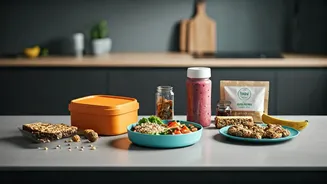
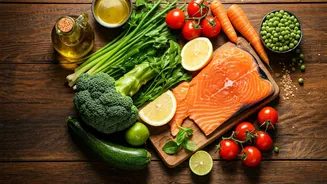
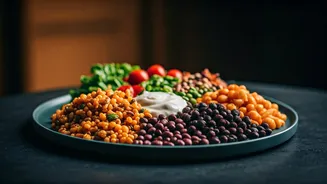
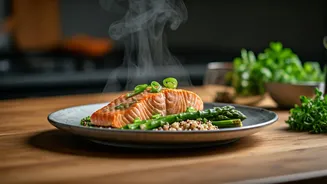
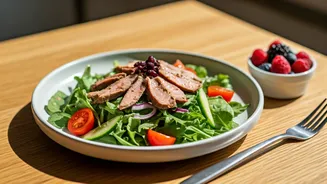
So what does eating to avoid the slump look like in practice? It’s less about restriction and more about strategic additions and swaps. The key is balance. Instead of a carb-heavy lunch, young foodies are building plates centered on the “holy trinity” of fiber, protein, and healthy fats. This could mean a grain bowl packed with quinoa, roasted vegetables, chickpeas, and an avocado-tahini dressing. It’s choosing sourdough or whole-grain bread over processed white bread for a sandwich. Snacking has also been upgraded from sugary granola bars to nuts, Greek yogurt, or fruit. The beverage market has exploded with “functional” options—from mushroom-infused coffees promising focus without the jitters to sparkling waters with adaptogens like ashwagandha meant to combat stress. It’s a culinary world where ingredients are chosen for their function as much as their flavor, turning every meal into an opportunity to feel energized and sharp.