
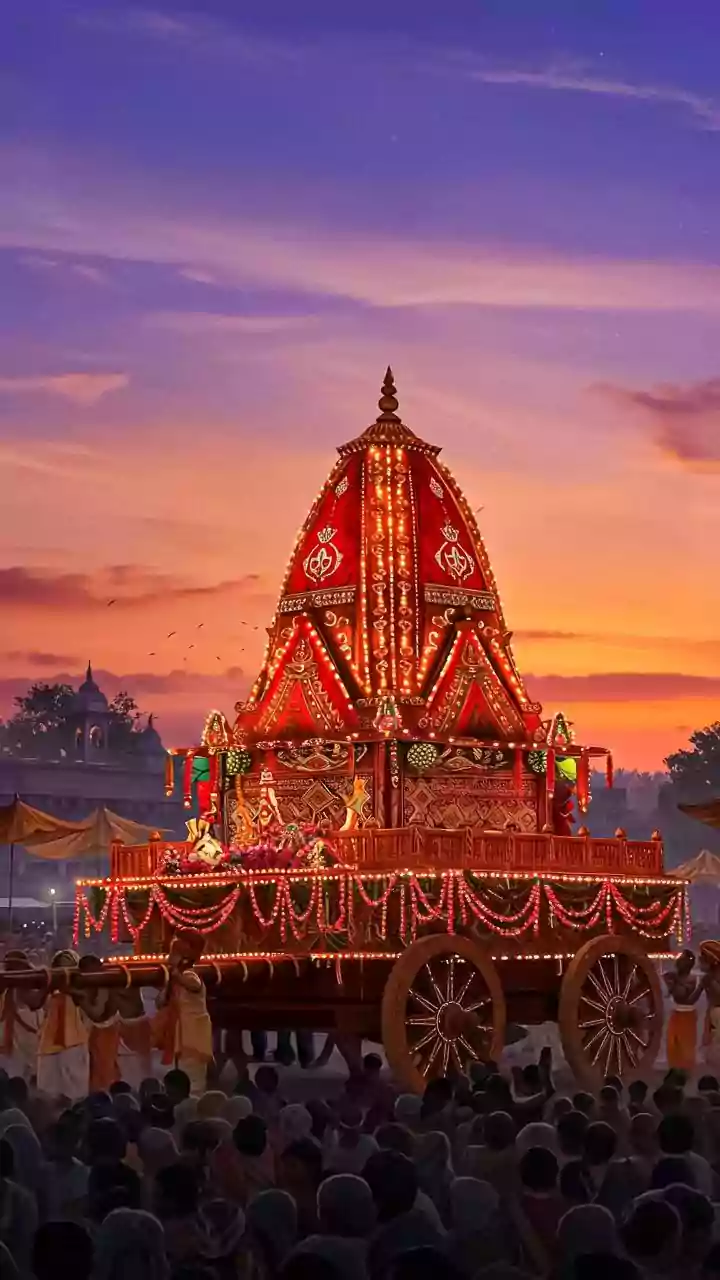





So, What Is the Rath Yatra?
At its heart, the Rath Yatra (literally "Chariot Journey") is a massive annual Hindu festival held in the city of Puri in the eastern Indian state of Odisha. The event centers on three deities—Lord Jagannath, his elder brother Balabhadra, and their sister
Subhadra—who leave their home in the grand Jagannath Temple to travel to a nearby temple for a nine-day vacation. This isn't just a small trip; it's an epic procession. The deities are placed on enormous, intricately decorated wooden chariots, which are then pulled by thousands of devotees through the city streets. It's one of the oldest and largest religious gatherings in the world, drawing millions of pilgrims and spectators who believe that witnessing the event and touching the chariot ropes can bring spiritual merit and salvation.
The Chariots: Moving Architectural Marvels
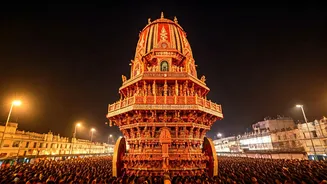
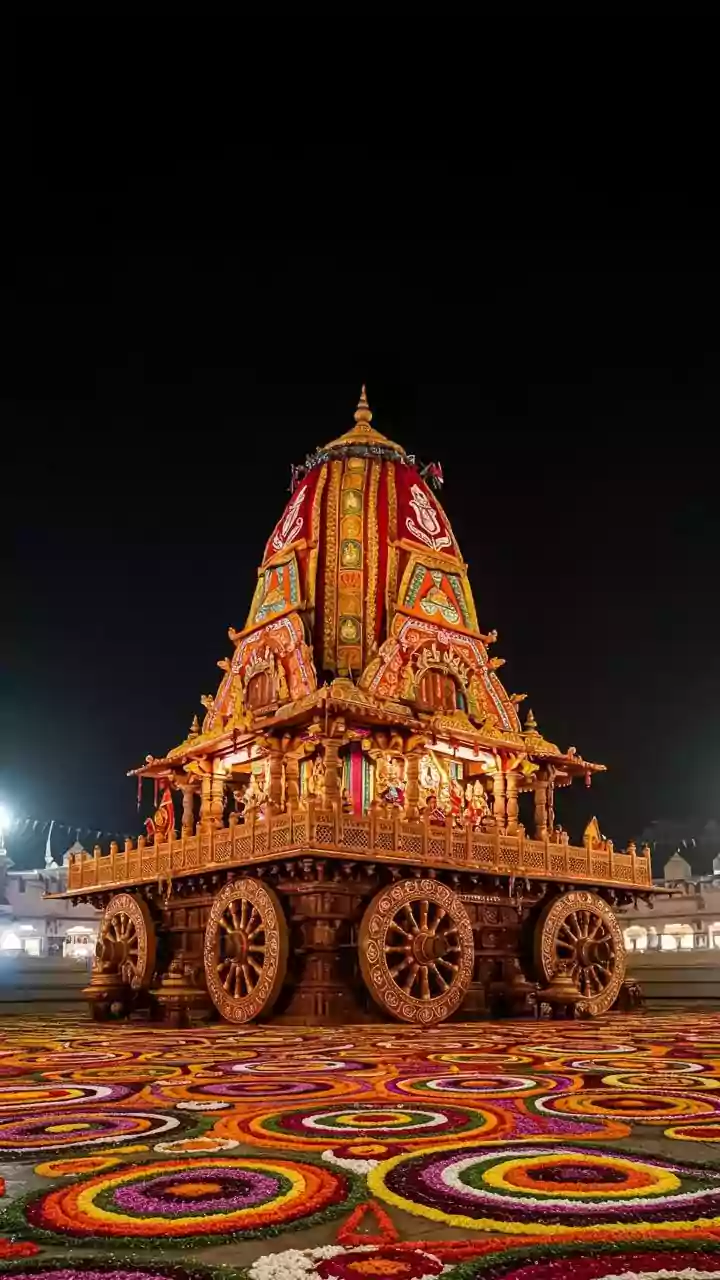
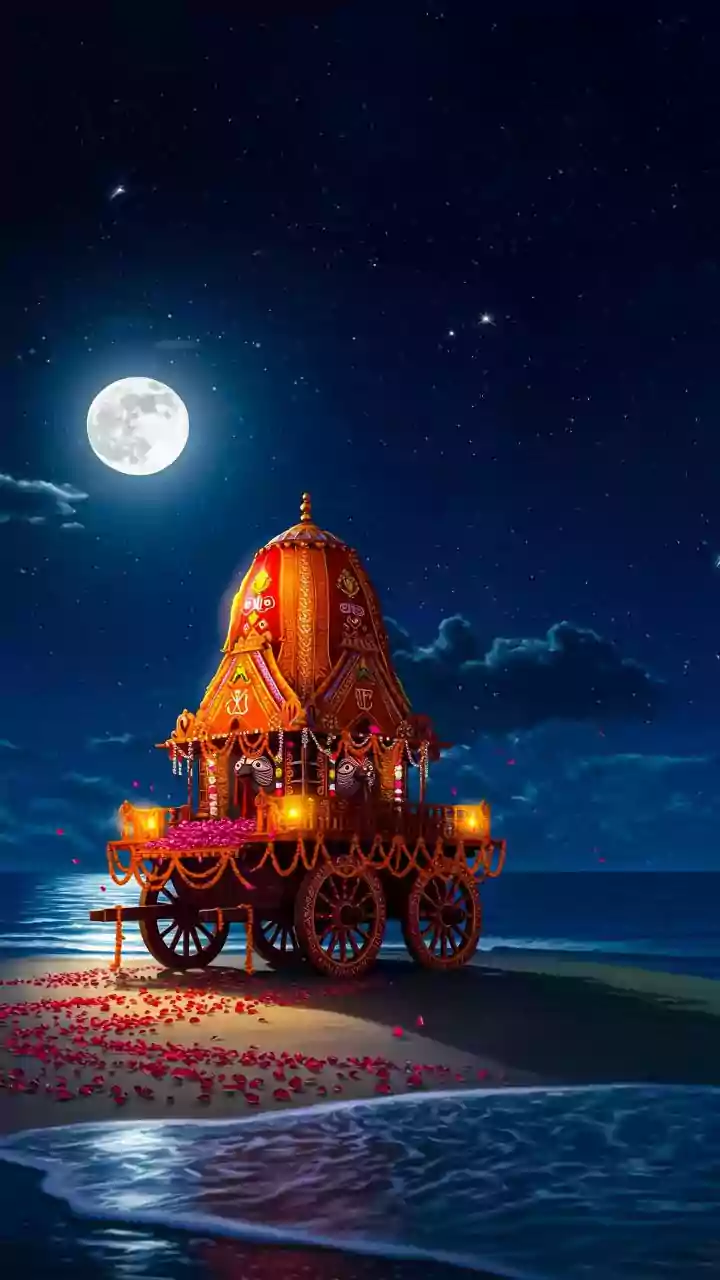
The "visual spectacular" part of the headline is no exaggeration, and it starts with the chariots, or 'raths.' These are not simple floats. Each year, they are built anew by a dedicated team of artisans using traditional techniques passed down through generations. Lord Jagannath's chariot, Nandighosa, stands about 45 feet tall, has 16 wheels, and is draped in vibrant red and yellow fabrics. His siblings' chariots are similarly massive and distinct. Covered in intricate carvings, paintings of gods, and floral motifs, these structures are essentially mobile temples. The sheer scale and craftsmanship are staggering, especially considering they are constructed without a single metal nail, following ancient scripts. The moment these colossal structures begin to move, propelled only by human power, is the breathtaking centerpiece of the festival.
A Journey with a Story
The procession isn't random; it follows a sacred narrative. The deities are making their annual trip to the Gundicha Temple, said to be their aunt's home, located about two miles away. This journey symbolizes a divine outing, a chance for the gods to mingle with the common people. For the nine days they are away, the main Jagannath temple feels empty. Their return journey, known as 'Bahuda Yatra,' is celebrated with equal fervor. This simple story of gods going on a holiday gives the massive public spectacle a deeply personal and relatable dimension. It’s a story of divine accessibility, where the gods leave their sacred inner sanctum to be seen and celebrated by everyone, right in the middle of the street.
An Overwhelming Wave of Humanity
The visuals aren't just the chariots; they are the people. The streets of Puri transform into a sea of humanity. The air is thick with the sound of gongs, conch shells, and the collective chant of "Jai Jagannath!" (Victory to Jagannath!). Devotees, dressed in colorful attire, surge forward, vying for a chance to grasp the thick coir ropes and help pull the chariots. This act of pulling is considered a highly meritorious service. The energy is electric, a powerful mix of physical exertion and profound spiritual devotion. It’s a sensory overload in the best way possible—a powerful, unifying experience where individual identity melts into a collective wave of faith. For many, it’s this overwhelming feeling of community and shared purpose that defines the Rath Yatra.
More Than a Parade: A Message of Unity
While visually stunning, the Rath Yatra’s deepest significance lies in its message of equality and inclusion. On this one day, Lord Jagannath, who is considered the "Lord of the Universe," comes out for everyone. Historically, entry into the main temple was restricted. But during Rath Yatra, distinctions of caste, creed, and gender dissolve. Everyone is welcome to see the deities and participate in the procession. This radical act of divine egalitarianism is the festival's spiritual core. It transforms a spectacular parade into a powerful statement about unity, reminding participants that in the eyes of the divine, all are one. It's this profound meaning that elevates the Rath Yatra from a regional festival to a cultural phenomenon with a universal message.