


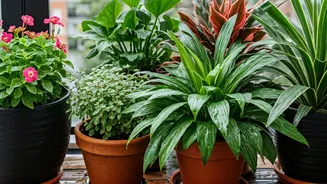
Meet the Bird’s Nest Fern
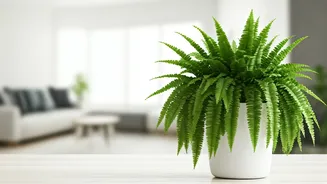
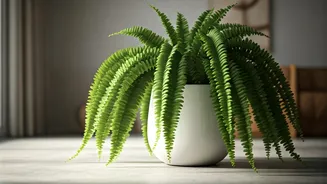
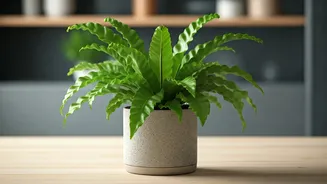
The Bird’s Nest Fern, or *Asplenium nidus*, is an eye-catching plant known for its bright green, wavy fronds that unfurl from a central rosette. This tight, nest-like center is how it got its name. In their native tropical environments, these ferns are
epiphytes, meaning they grow on the surface of other trees, collecting rainwater and debris in their central 'nest.' As a houseplant, this translates to a striking, sculptural form that adds texture and life to any room. Unlike the delicate, wispy fronds of a Boston fern, the Bird's Nest Fern has broad, sturdy leaves that often have a crinkled or rippled edge, giving it a modern and distinctive look. It’s a popular choice for bathrooms and kitchens, where it can soak up the ambient humidity.
The Gold Standard of Pet Safety
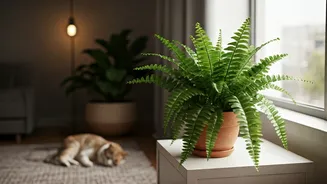
For American pet owners, the most crucial question is simple: is it safe? The headline’s claim of being “certified safe” aligns with guidance from the most trusted authority in the U.S. on the matter. The American Society for the Prevention of Cruelty to Animals (ASPCA) lists the Bird’s Nest Fern as non-toxic to both cats and dogs. This classification is the gold standard for pet parents looking to greenify their homes. When a plant is on the ASPCA’s non-toxic list, it means that ingestion is not expected to cause serious illness or harm. While the original headline may refer to a specific international context, the verdict for U.S. households is clear: this fern is one of the safest choices you can make for a home shared with furry companions.
A Perfect Plant for Apartment Living
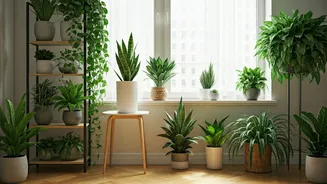
Whether you live in a sprawling house or a cozy city apartment (a "flat," as they're called in many parts of the world), the Bird's Nest Fern is an excellent fit. It’s a relatively low-maintenance plant that doesn't require direct, blazing sun. In fact, it thrives in medium to low indirect light, similar to the dappled sunlight it would receive under a rainforest canopy. This makes it ideal for rooms that don’t have south-facing windows. Furthermore, it's a slow grower and maintains a manageable size for years, typically reaching about two feet in height and width indoors. It won't quickly outgrow your shelf or side table, making it a sustainable and practical choice for smaller living spaces.
Your Guide to Happy Fern Care
Keeping your Bird's Nest Fern healthy is straightforward. Focus on replicating its native tropical conditions:
Light: Provide medium, indirect light. Direct sun will scorch its leaves, while very low light can stunt its growth. An east- or north-facing window is often perfect.
Water: Keep the soil consistently moist but not waterlogged. Water the soil around the base of the plant, avoiding the central rosette, as pouring water into the 'nest' can lead to rot. Allow the top inch of soil to dry out between waterings.
Humidity: This is key. Bird's Nest Ferns love high humidity. You can achieve this by placing it in a naturally humid room like a bathroom, grouping it with other plants, using a pebble tray with water, or running a humidifier nearby.
Soil and Fertilizer: Use a well-draining potting mix, such as one designed for orchids or a peat-based mix. Feed with a diluted, balanced liquid fertilizer once a month during the spring and summer growing season.
A Quick Note on 'Non-Toxic'
It’s important to understand what “non-toxic” means in the context of houseplants. While the Bird’s Nest Fern won’t poison your pet, it’s not meant to be a snack. Chewing on any plant matter, even safe varieties, can cause mild gastrointestinal upset like vomiting or diarrhea in some animals. It’s always a good practice to place plants in a spot where your pets are less likely to nibble on them, both for the plant's health and your pet's comfort. If your pet seems to be an obsessive plant-chewer, providing them with pet-safe alternatives like cat grass can help redirect their attention and save your fern’s beautiful fronds from tooth marks.