


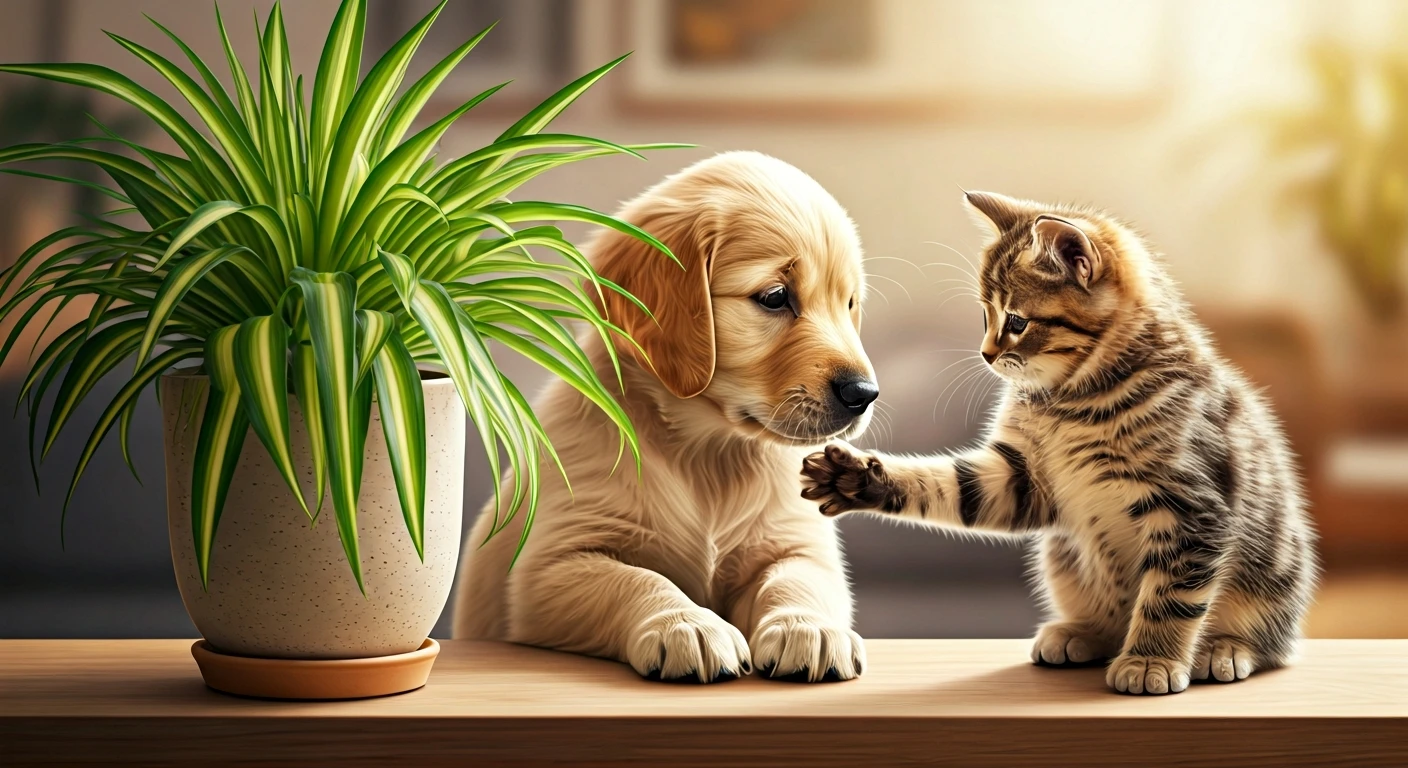


The Rise of the Pet-Plant Household
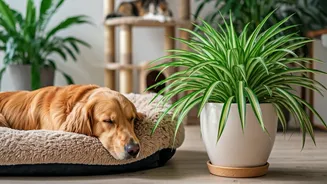
It’s a tale of two converging trends. Over the past decade, and especially since 2020, Americans have embraced houseplants like never before. They purify the air, beautify our spaces, and give us something to nurture. At the same time, a cultural shift
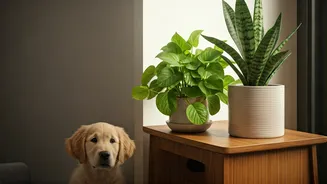
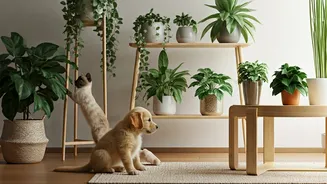
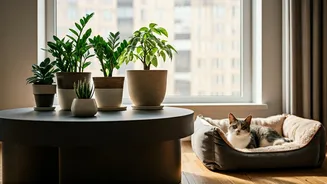
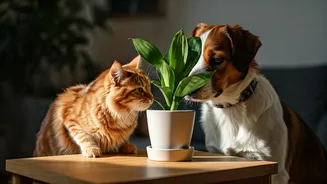
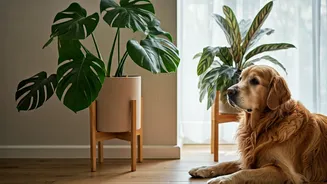
has reframed pet ownership. More and more people, particularly Millennials and Gen Z, identify as “pet parents,” treating their animals with a level of care and emotional investment once reserved for human children. The problem arises when these two worlds collide. Your carefully curated urban jungle could be a minefield of toxins for the furry family member who loves to chew on, well, everything. This has created a new kind of household diligence, where buying a new plant requires the same level of research as choosing a new pet food.
Why It’s More Than an Upset Stomach
For the uninitiated, the dangers can seem abstract. A little nibble can’t be that bad, right? Wrong. According to the ASPCA Animal Poison Control Center, which handles hundreds of thousands of cases a year, plant toxicity is a serious issue. The effects range dramatically depending on the plant and the pet. Some plants, like the popular pothos or philodendron, contain insoluble calcium oxalates. Chewing them can cause intense oral irritation, pain, drooling, and vomiting, but are rarely fatal. Others, however, are far more dangerous. A single bite of a sago palm can cause liver failure. For cats, all parts of a lily—the stem, leaves, petals, and even the pollen or water from the vase—are lethally toxic, leading to rapid kidney failure. Understanding this spectrum of risk is the first step pet parents are taking toward becoming safety experts.
Common Culprits Hiding in Plain Sight
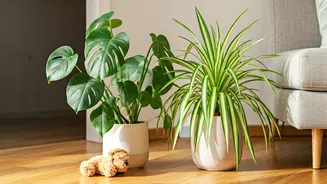
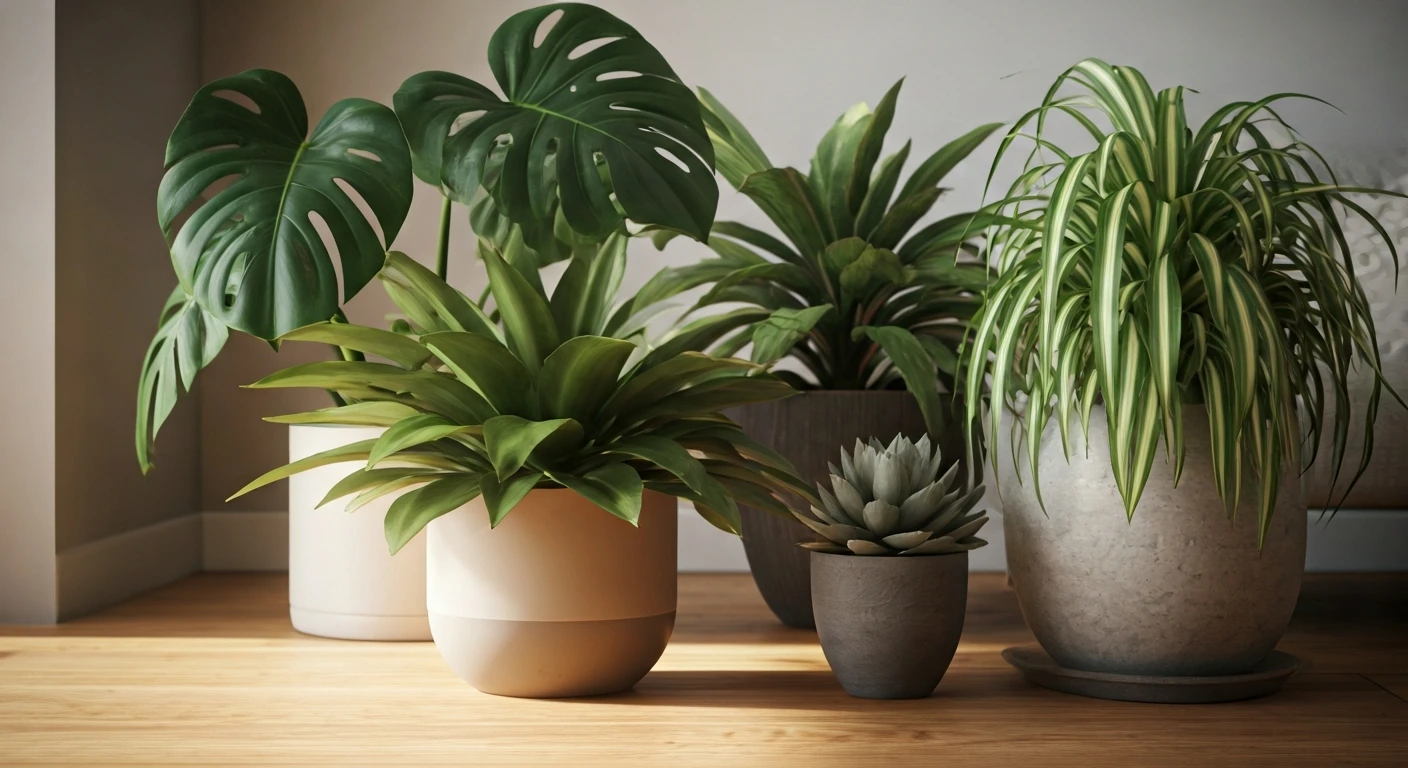
Many of the most popular and Instagram-worthy houseplants are unfortunately on the “do not touch” list for pets. Knowing the key offenders is crucial. * **Lilies (Lilium and Hemerocallis):** As mentioned, these are exceptionally dangerous for cats. Even a small exposure can be a veterinary emergency. * **Sago Palm (Cycas revoluta):** This trendy, palm-like plant is toxic to both dogs and cats. The seeds are the most poisonous part, and ingestion often leads to severe liver damage. * **Monstera Deliciosa:** Known as the “Swiss cheese plant,” its leaves contain calcium oxalate crystals that cause immediate pain and irritation to the mouth, tongue, and stomach if chewed. * **Snake Plant (Sansevieria trifasciata):** While only mildly toxic, this incredibly common and low-maintenance plant can cause nausea, vomiting, and diarrhea if ingested by pets.
Your Guide to Pet-Safe Greenery
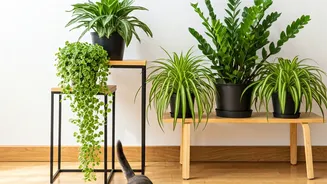
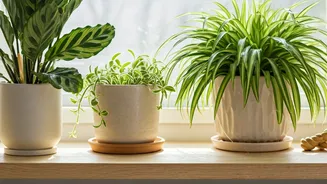
The good news is that you don’t have to choose between your pet and your green thumb. A vast and beautiful world of non-toxic plants is waiting for you. Creating a pet-safe oasis is entirely possible with the right selections. * **Spider Plant (Chlorophytum comosum):** This retro favorite is non-toxic and even has air-purifying qualities. Its dangling “spiderettes” can be a tempting toy for cats, but at least it's a safe one. * **Calathea Species:** Often called “prayer plants,” this family boasts stunning, decorative leaves and is completely safe for both cats and dogs. * **Boston Fern (Nephrolepis exaltata):** This classic, lush fern adds a touch of elegance to any room and is perfectly safe for curious pets. * **Haworthia (Zebra Plant):** If you love the look of succulents but worry about toxicity, Haworthias are a fantastic, non-toxic alternative to potentially harmful aloes.
Beyond the Plant: Pro-Level Safety Tips
True expertise means thinking beyond just the plants you buy. It’s about creating a holistically safe environment. First, always double-check any gift bouquets that enter your home; well-meaning friends may not know about the danger of lilies. Second, consider placement. Even toxic plants can sometimes be kept safely if they are in hanging baskets or on high shelves, completely out of reach of your pet’s paws and mouth. Finally, know the signs of poisoning—lethargy, vomiting, diarrhea, excessive drooling, or difficulty breathing—and have your veterinarian’s number and the ASPCA Animal Poison Control Center phone number (888-426-4435) saved and easily accessible. Acting quickly can make all the difference.