

The Rainy Day Ritual
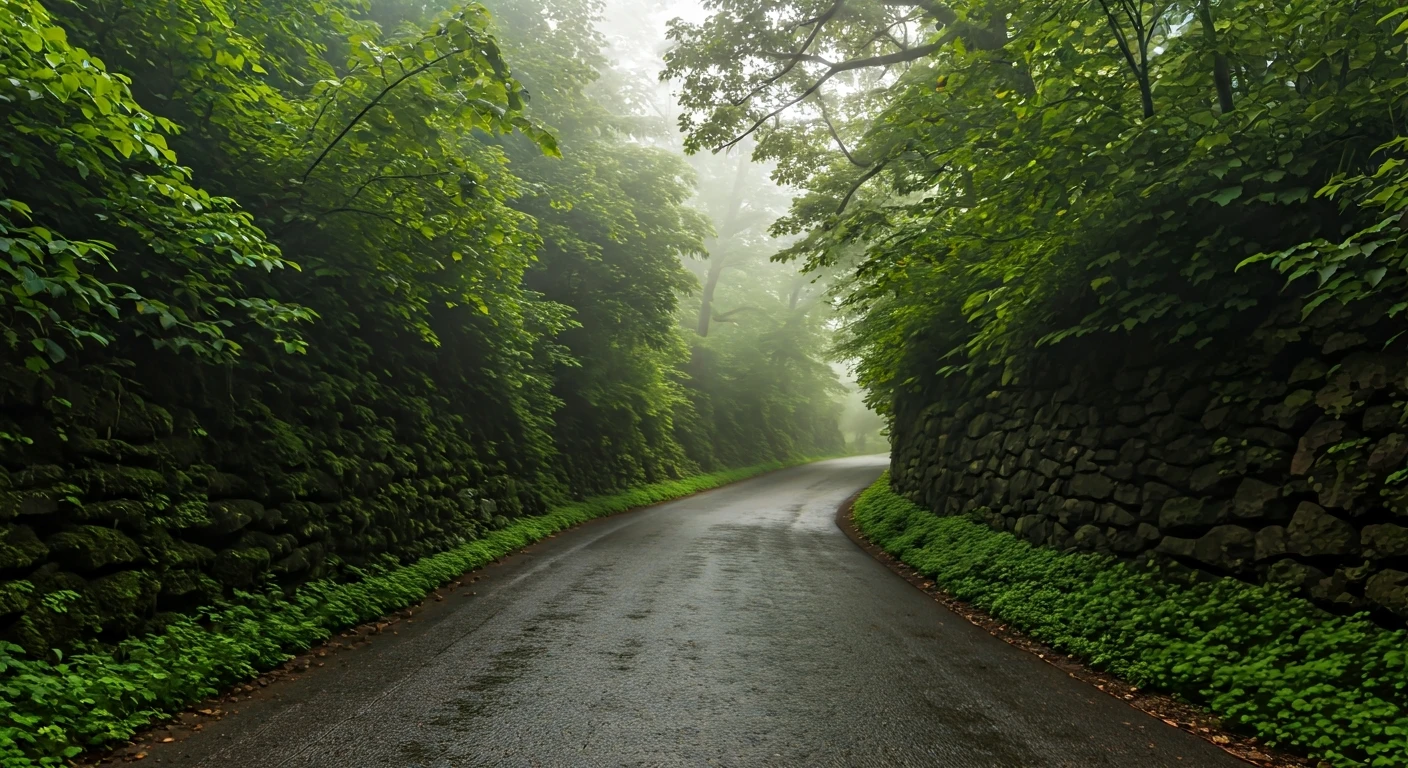
Across India and the diaspora, the arrival of the monsoon isn’t just a weather event; it’s a cultural one. After months of scorching heat, the cool, rain-washed air brings a palpable sense of relief and celebration. And with that change comes a specific
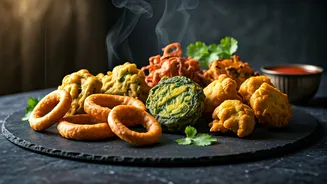
craving—for something hot, crunchy, and deeply savory. This is where the pakora comes in. More than just a snack, it’s a tradition. The sound of rain drumming on the roof is the unofficial signal to get a batch of pakoras frying. It’s an experience shared by families gathering in the kitchen, friends huddled under an awning at a street-side stall, or office workers taking a welcome break. The pakora is the edible embodiment of ‘chai-pakora’ culture, a pairing so iconic it’s synonymous with cozy conversations on a wet afternoon.
What Exactly Is a Pakora?
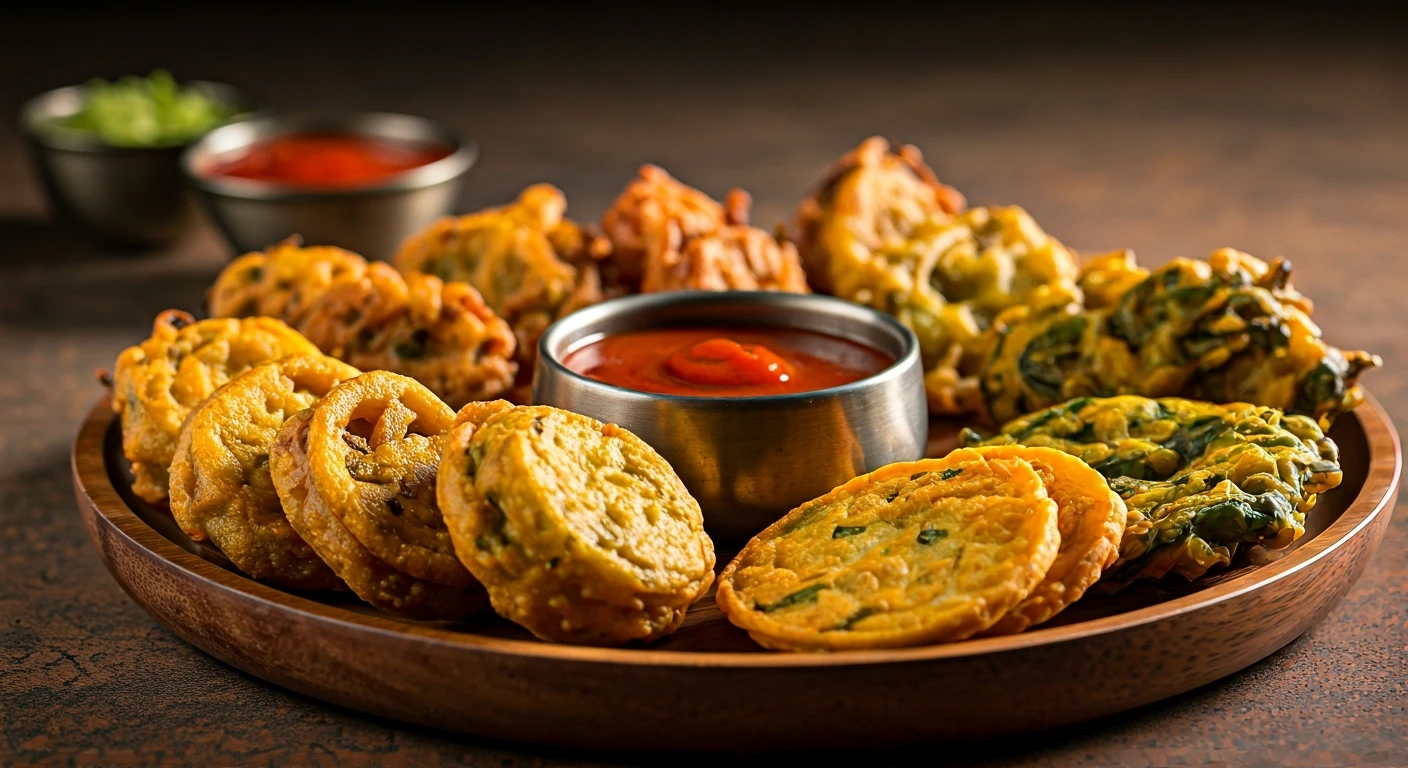
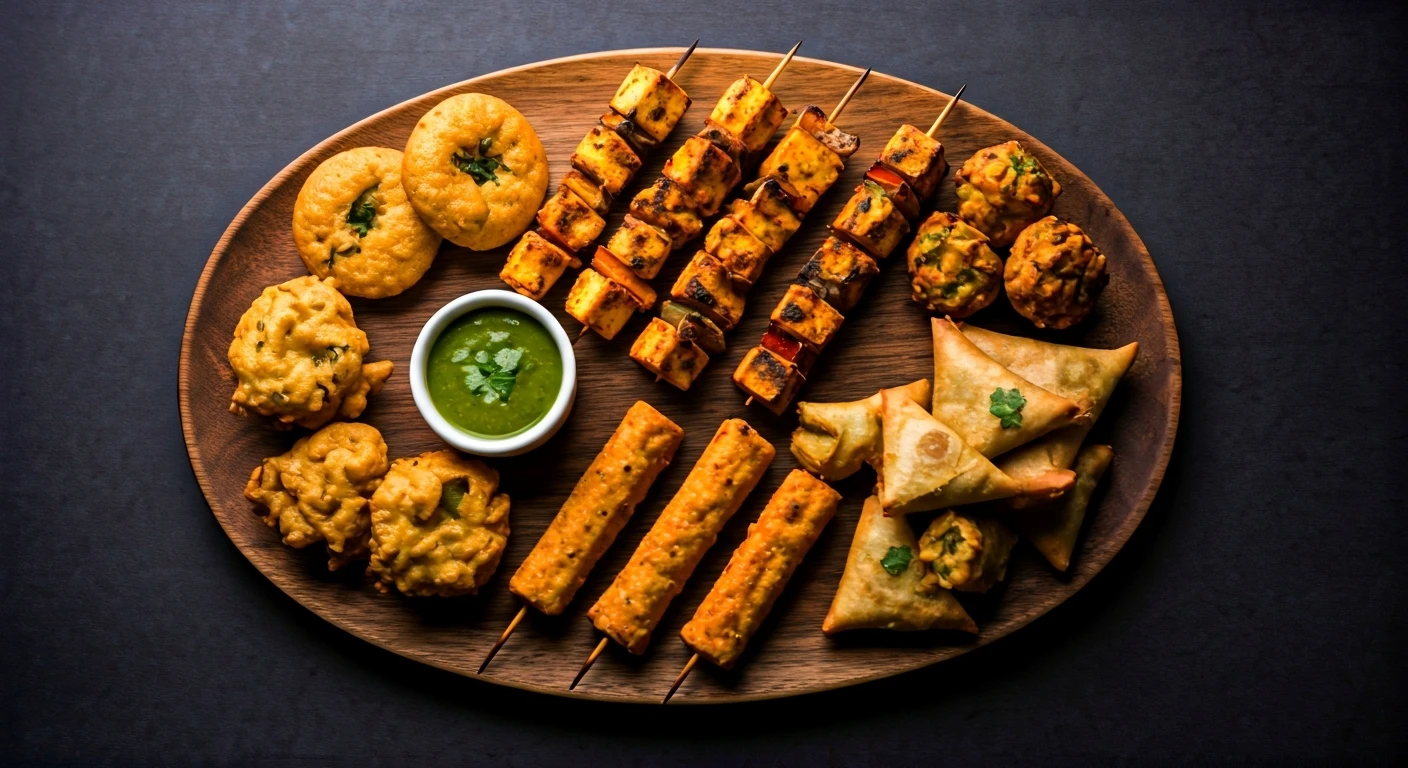
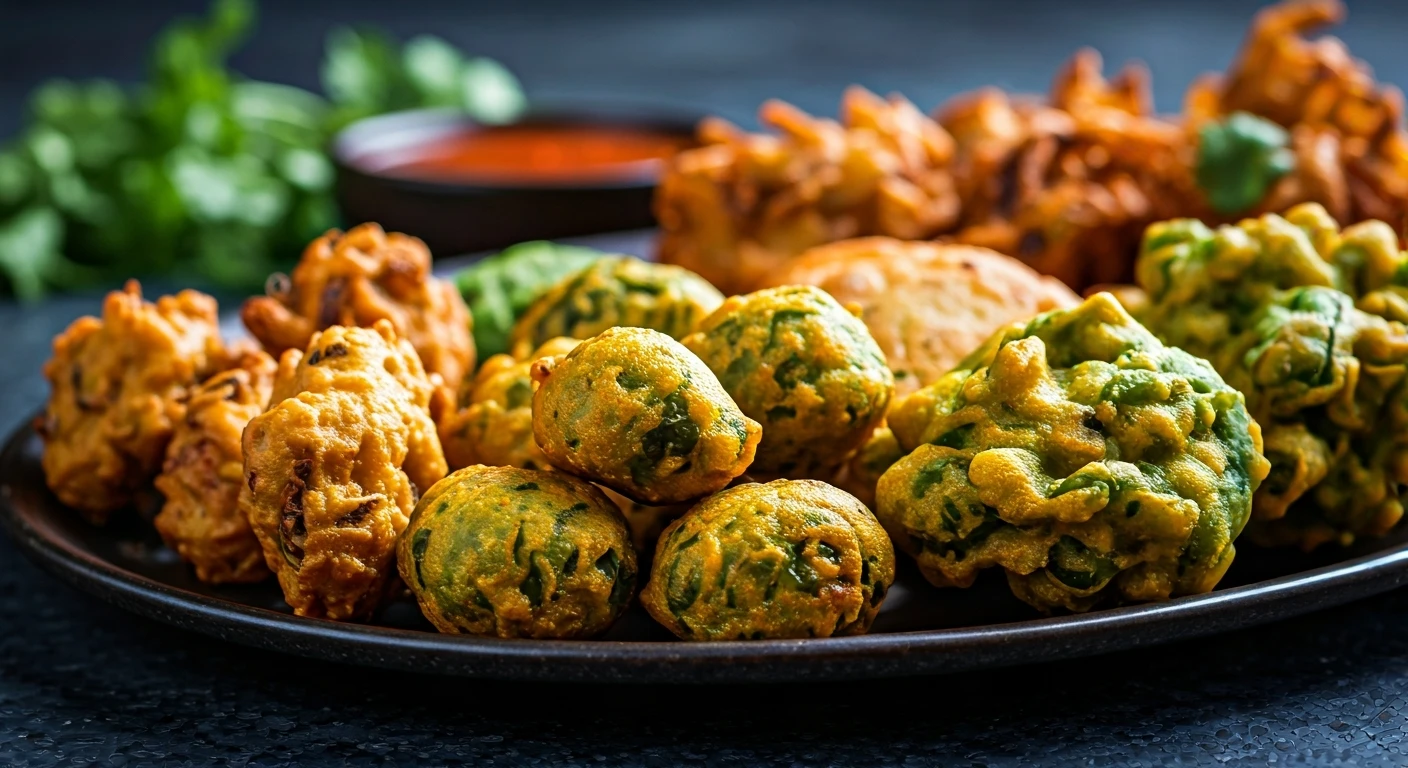
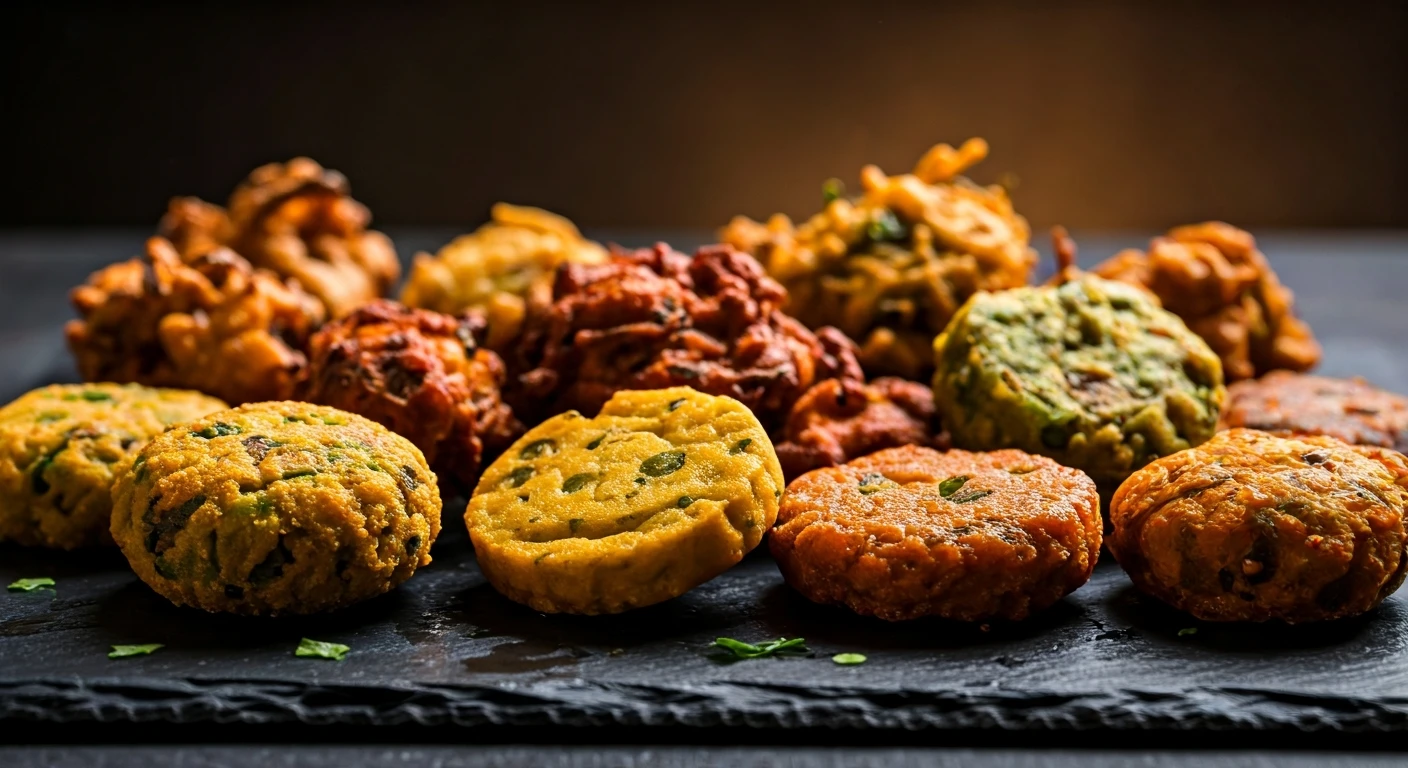
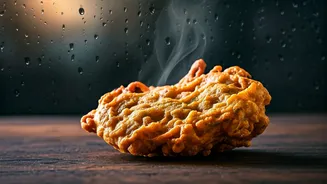
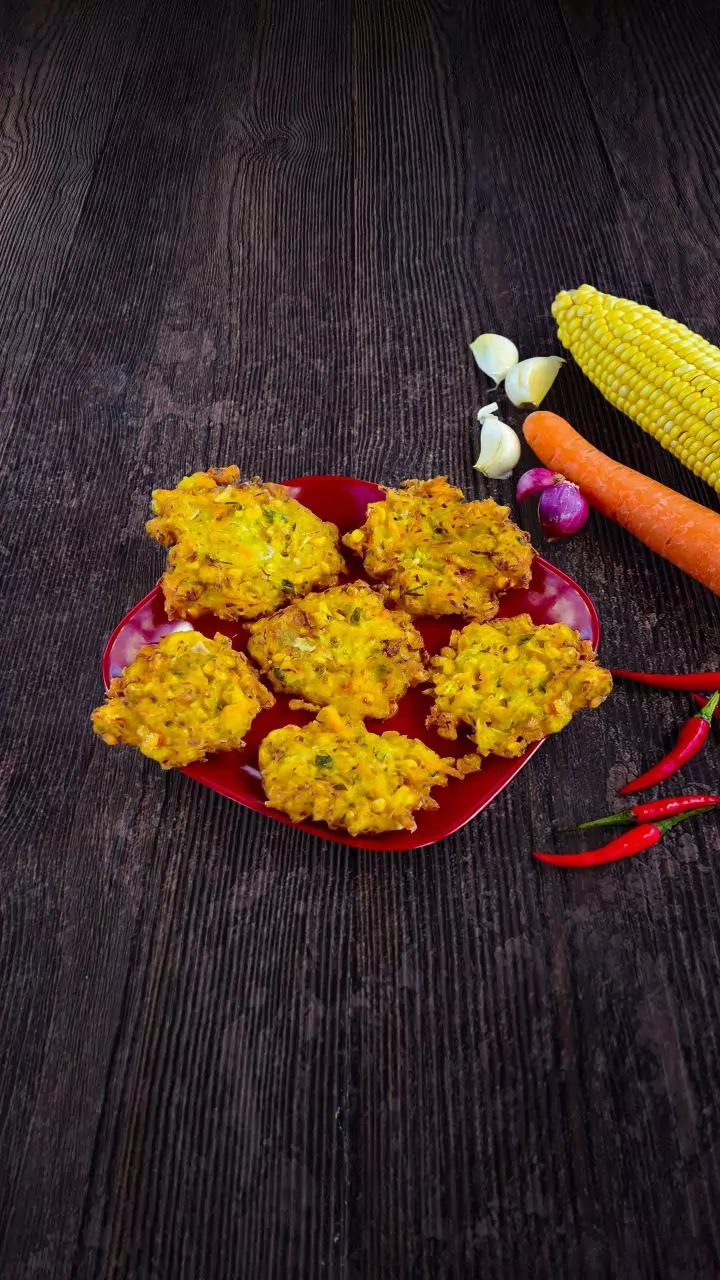
For the uninitiated, the simplest way to describe a pakora is as a savory Indian fritter. But that simple description belies a world of incredible variety. The foundation is almost always a batter made from besan, or chickpea flour, which lends a distinctly nutty, earthy flavor and a satisfyingly crisp texture when fried. This batter is seasoned with a blend of spices that can include turmeric for color, ajwain (carom seeds) for its unique thyme-like note, red chili powder for heat, and a pinch of asafoetida. What goes *into* the batter is where the magic really happens. Virtually anything can be turned into a pakora. Thinly sliced potatoes, onions, spinach leaves, cauliflower florets, and long green chilies are classics. Cubes of paneer (a firm Indian cheese) emerge from the fryer with a soft, melting interior and a crispy coat. There are no strict rules, only delicious traditions.
A Journey Through Regional Varieties
To say “pakora” is like saying “sandwich”—the name covers a vast and wonderful territory. Each region in India has its own beloved version. In Maharashtra, particularly Mumbai, you’ll find *kanda bhaji*, beautifully messy and supremely crispy onion pakoras made from thinly sliced onions. Travel south, and you might encounter fritters that are lighter and often incorporate rice flour for extra crispiness. In the north, *palak pakoras* (spinach fritters) and *paneer pakoras* are staples. One of the most interesting variations is the bread pakora. Here, slices of bread are either stuffed with a spiced potato mixture, dipped in besan batter, and fried whole, or simply dipped and fried plain. It’s a carb-on-carb delight that is heavier and more substantial, practically a meal in itself. This diversity ensures that no two pakora experiences are ever exactly the same.
The Perfect Pairing: Chai and Chutney
A pakora is rarely served alone. Its faithful companions are just as crucial to the experience. First and foremost is masala chai, the spiced, milky tea that is the lifeblood of the subcontinent. The warmth of the ginger and cardamom in the chai is the perfect foil for the savory, oily richness of the fried pakora. It’s a pairing that warms you from the inside out. Then come the chutneys. A vibrant green chutney, made from a blend of fresh cilantro, mint, green chilies, and lemon juice, offers a cool, herbaceous, and spicy kick that cuts through the richness of the fritter. Alongside it, you’ll often find a sweet-and-sour tamarind chutney, whose dark, tangy flavor provides a completely different but equally complementary contrast. Dipping a hot, crispy pakora first in one chutney, then the other, is part of the delicious ritual.