
The Rise of the 'Quiet' Interior
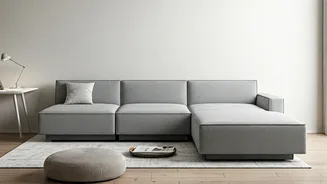
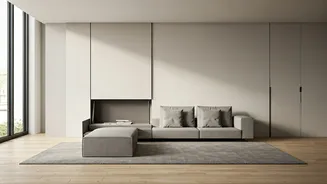
Step into a modern, well-designed home today, and you’re less likely to be greeted by a cacophony of color and clutter. Instead, you'll feel a sense of calm. This is the 'quiet' aesthetic, a design movement that prioritizes serenity over stimulation.
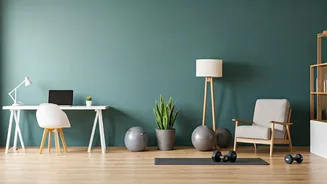
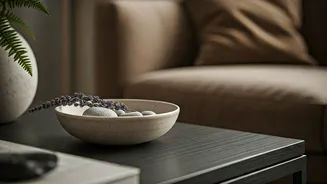
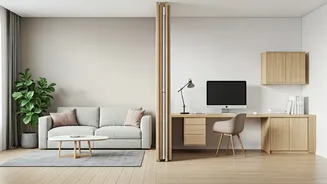
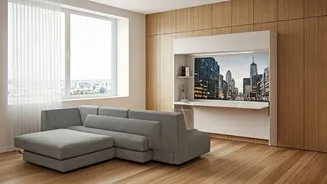
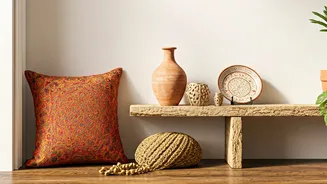
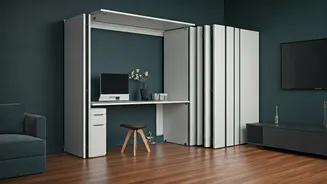
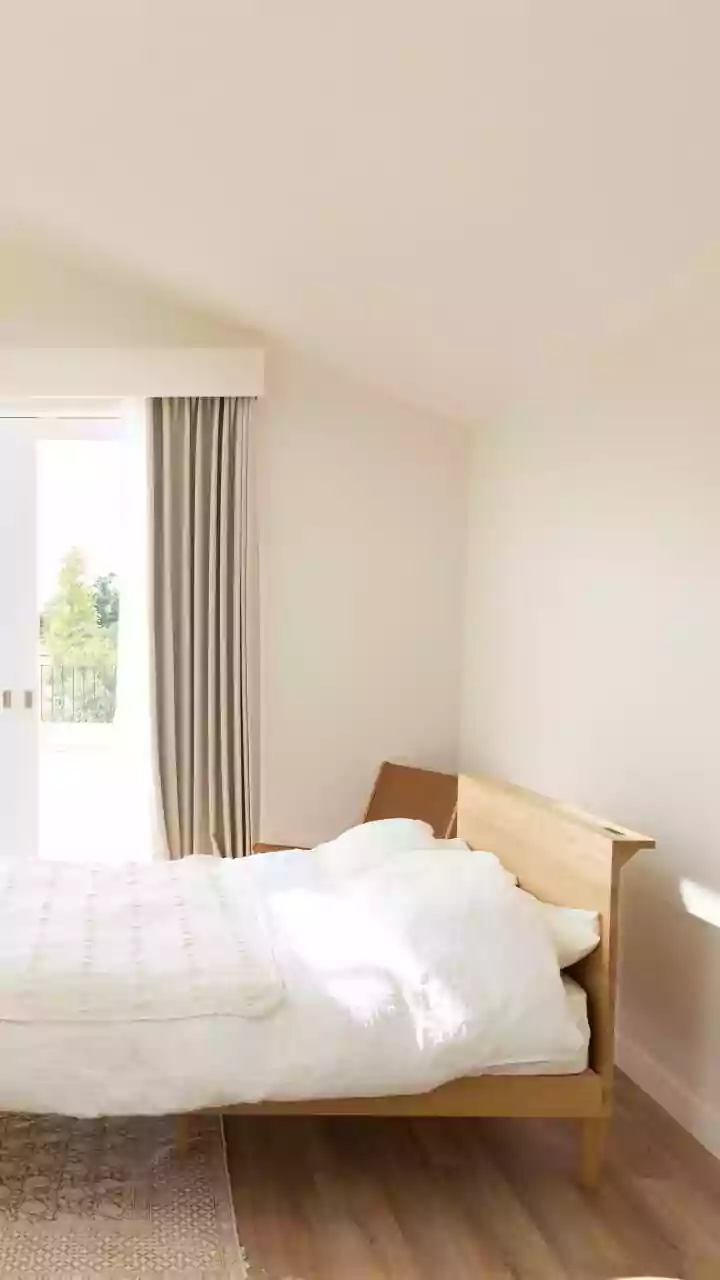
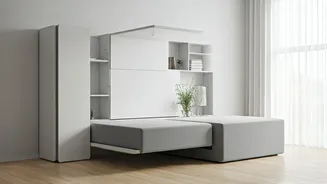
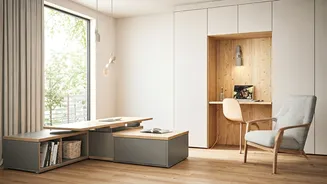
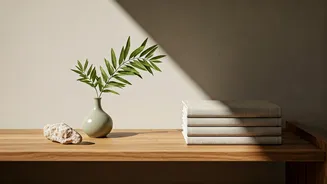
It’s a gentle rebellion against the visual noise of the outside world, characterized by neutral color palettes, natural materials like wood and linen, and an emphasis on uncluttered, functional spaces. Trends like 'Japandi'—a hybrid of Japanese minimalism and Scandinavian function—perfectly encapsulate this ethos. The goal isn't sterile emptiness but intentional simplicity. Every object has a purpose, and the overall effect is one of a peaceful sanctuary, a place designed to soothe the senses rather than overwhelm them. This isn't just about looking good on Instagram; it's a direct response to a collective desire to de-stress and disconnect within our own four walls.
When 'Smart' Stopped Being Noisy
Simultaneously, the world of smart home technology has undergone its own maturation. The first wave was clumsy and conspicuous. It involved bulky hubs, demanding voice assistants that frequently misunderstood you, and apps that made you feel more like an IT manager than a homeowner. Today, the smartest technology is the kind you barely notice. This concept, known as 'ambient computing,' is about embedding intelligence into our environment so seamlessly that it feels natural. Instead of a smart speaker that loudly announces the weather, it's about lighting systems that subtly shift color temperature to mimic the sun's natural cycle, promoting a healthy circadian rhythm. It's thermostats that learn your habits without you ever programming them, and security systems that operate silently in the background, offering peace of mind without constant alerts. The new definition of a 'smart' device is one that anticipates needs and solves problems without demanding your constant interaction.
Where Calm Meets Code
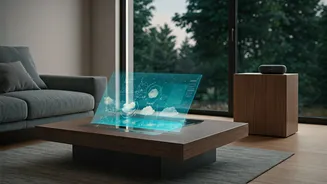
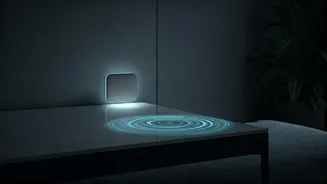
The real magic happens where these two trends—quiet aesthetics and ambient tech—converge. This is where the home becomes not just quiet, but responsive. Imagine automated window shades made of natural-fiber materials that silently retract in the morning to let in gentle sunlight, and close in the afternoon to keep the house cool. Think of high-fidelity speakers disguised as wall art, filling a room with music without adding visual clutter. Smart home companies are now designing products with aesthetics as a primary concern. Wi-Fi routers look like minimalist sculptures. Air purifiers are designed to blend in with high-end furniture. Light switches are being replaced by subtle, gesture-controlled panels or passive sensors that simply know when you enter a room. In this new paradigm, technology doesn’t disrupt the calm; it enhances it. The home becomes an intuitive partner in your well-being, using data and automation to maintain a perfect state of comfort and tranquility.
A Response to a Chaotic World
Why is this happening now? Because for many Americans, life outside the home feels increasingly chaotic, over-stimulated, and out of our control. We are bombarded with notifications, endless streams of information, and the pressures of an always-on work culture. The home is one of the last spaces where we have agency. This trend is about more than just interior decorating; it's an act of reclaiming control over our personal environment. By curating a space that is both technologically advanced and emotionally calming, we are building a buffer against the stresses of modern life. The quiet, smart home is the ultimate personal sanctuary—a space that’s not just a shelter from the rain, but a shelter from the relentless demands of the 21st century. It's a home that listens more than it speaks, anticipates more than it asks, and offers peace as its ultimate luxury.