


1. Technical Fabrics Are Now Everywhere
The single biggest shift in travel wear is the migration of high-performance materials from the hiking trail to the airport terminal. Fabrics once reserved for elite athletes are now standard in everyday clothing. Think merino wool, the traveler's miracle
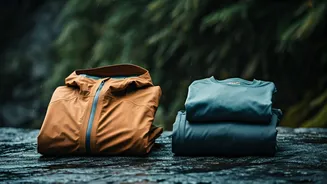
fiber: it’s temperature-regulating, naturally odor-resistant, and comfortable in a wide range of climates. You can wear a merino tee for days without it smelling. Similarly, moisture-wicking synthetics, once confined to gym shorts, are now woven into stylish pants, blouses, and dresses. These materials pull sweat away from your skin, keeping you dry and comfortable during a frantic dash to your gate or on a humid city walking tour. This isn't about looking like you're about to summit Everest; it's about enjoying the benefits of advanced textiles in clothes that look perfectly normal.
2. Versatility Is the New Luxury
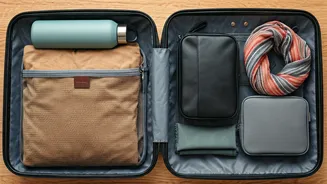
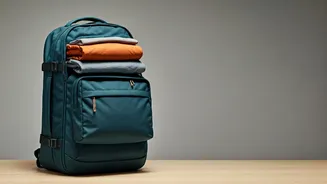
The days of packing separate outfits for day and night are fading. The most innovative travel brands are focused on creating “one-quiver” pieces that can seamlessly transition across different settings. This means a pair of pants with four-way stretch and a tailored cut that looks sharp enough for a nice dinner but feels comfortable enough for a 10-hour flight. It’s a blazer made from a performance knit that you can roll up in your suitcase without it wrinkling. Or a dress that can be styled up with accessories or worn casually with sneakers. This philosophy allows for lighter packing and less decision fatigue. Instead of packing for every possible contingency, you pack a few reliable, versatile items that can handle almost anything the trip throws at you.
3. Pockets Have Finally Gotten Smarter
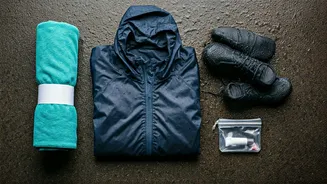
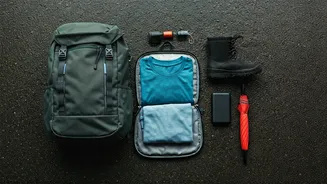
For too long, functional pockets felt like a feature exclusive to bulky cargo shorts or utilitarian travel vests. That’s changed. Designers are now integrating pockets in clever, discreet ways. You’ll find hidden zippered pockets inside the seams of pants, perfect for stashing a passport or credit card. Many travel-focused jackets now include an array of internal pockets designed for a phone, sunglasses, and travel documents, eliminating the need to constantly dig through a backpack. Even women’s clothing, notoriously lacking in functional pockets, is seeing an improvement. Brands are recognizing that travelers need secure, accessible storage, and they're delivering it without compromising the garment's silhouette.
4. Wrinkle-Resistance Is No Longer an Exception
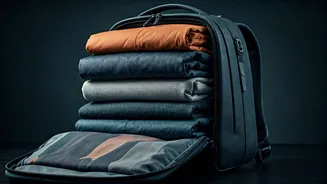
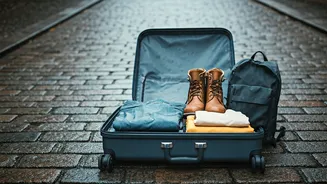
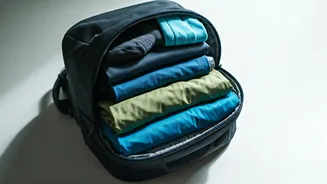
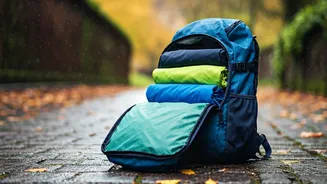
Nothing screams “I just lived out of a suitcase” like a deeply creased shirt. While non-iron fabrics have been around for a while, they were often stiff and plasticky. Today’s wrinkle-resistant clothes are different. Advances in fabric technology mean that materials like merino wool, Tencel, and certain polyester blends can be compressed into a packing cube for hours and emerge looking fresh. This is a massive quality-of-life improvement for travelers. It means less time spent hunting for an iron in a hotel room and more time enjoying your destination. The ability to pull an outfit straight from your bag and have it be ready to wear is a small but significant luxury that modern travel fashion delivers.
5. Comfort Became a Non-Negotiable
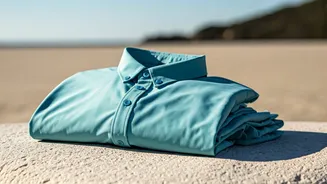
Perhaps the most welcome trend is the universal prioritization of comfort. The rise of athleisure has completely reset our expectations for how clothes should feel. Stiff denim, constricting waistbands, and rigid fabrics feel hopelessly outdated for travel. The modern travel uniform is built on stretch, softness, and breathability. Four-way stretch is now a common feature in everything from chinos and trousers to button-down shirts, allowing for a full range of motion whether you’re lifting a suitcase into an overhead bin or settling in for a long train ride. This focus on comfort makes the journey itself—often the most grueling part of a trip—far more pleasant and humane.