





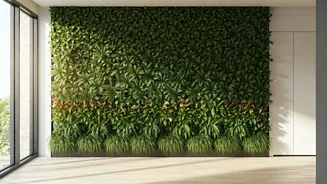
First, What Is Soilless Farming?
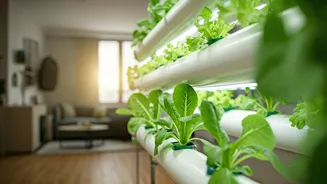
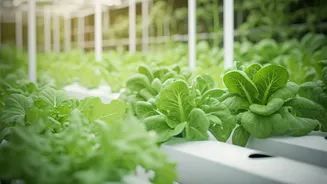
When you hear “high-tech soil-less,” think less of a simple houseplant and more of a mini science lab for your living room. The most common method is hydroponics, where plants grow in nutrient-rich water instead of soil. Other variations include aeroponics
(misting roots with nutrient vapor) and aquaponics (a closed-loop system combining fish and plants). These aren’t just futuristic concepts; they are accessible technologies, often managed through sleek, automated systems that control light, water, and nutrients. For a generation raised on screens and apps, the ability to grow pristine lettuce or vibrant basil with technological precision is a huge part of the appeal. It transforms gardening from a rustic, dirt-under-the-fingernails chore into a clean, controlled, and tech-forward hobby.
The Delhi Dilemma: Space and Purity
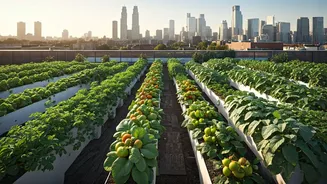
To understand why this trend is exploding in Delhi, you have to understand Delhi itself. It’s a megacity of over 30 million people, where private green space is a luxury few can afford. Most young people live in multi-generational homes or compact apartments with little more than a small balcony. Traditional gardening is often simply impossible. Soilless systems, which can be stacked vertically on a wall or fit neatly in a corner, offer a brilliant solution to the space crunch. Beyond space, there's the issue of trust. Decades of reporting on pesticide contamination in produce have made many Indians, especially the health-conscious younger generation, wary of what they buy at the market. Growing your own food in a controlled hydroponic system offers a guarantee of purity—you know exactly what went into it, from seed to salad.
The Instagram-Aesthetic Farm
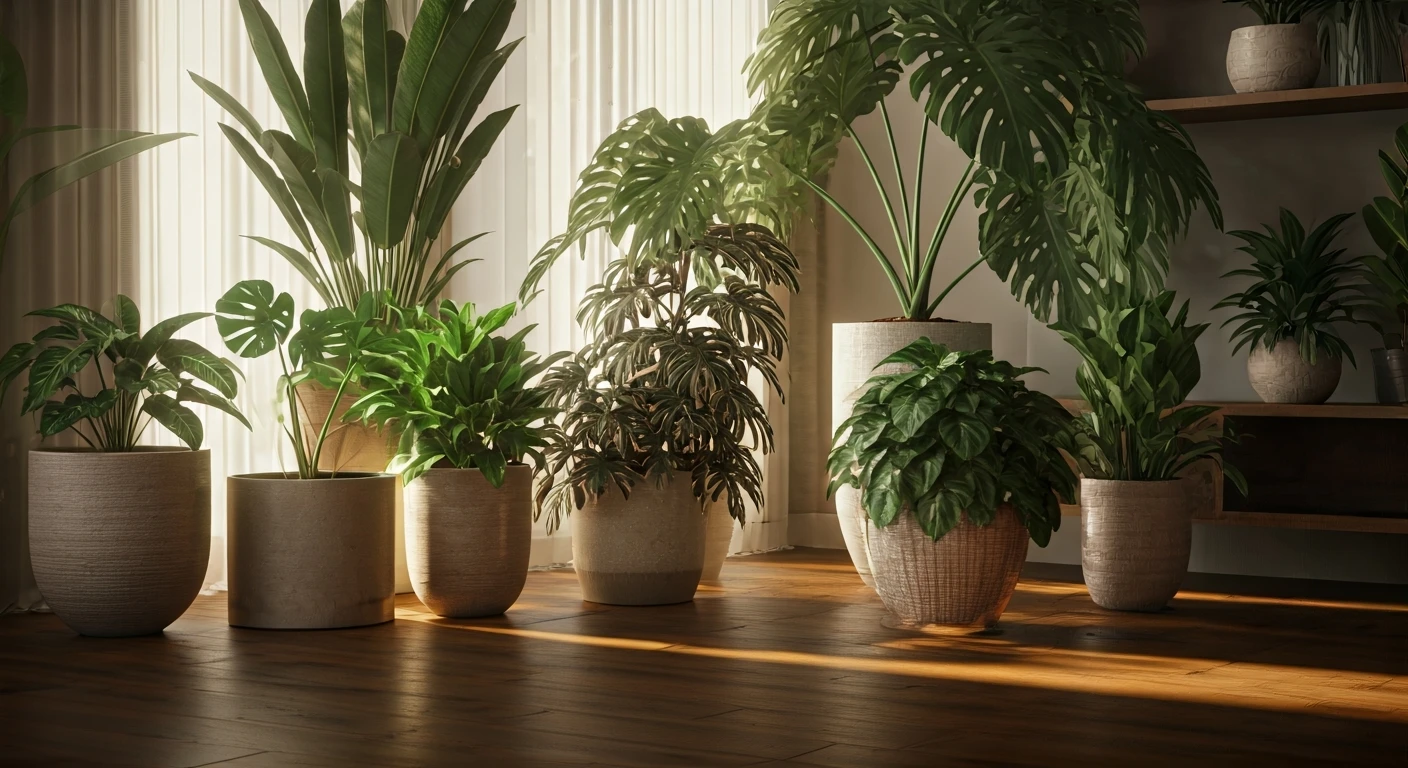
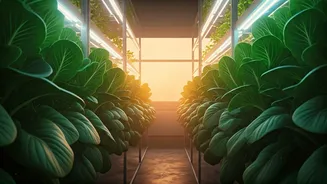
Let’s be honest: for Gen Z, if it’s not on the ‘gram, did it even happen? Soilless farming is incredibly photogenic. The sight of lush green leaves growing under a futuristic purple LED glow, arranged in a clean, minimalist setup, is pure aesthetic catnip. It’s a living art installation that says, “I’m modern, I’m health-conscious, and I have great taste.” This isn’t so different from the U.S. trend of filling apartments with fiddle-leaf figs and monsteras, but with an added layer of utility and tech savvy. Sharing progress—from tiny sprouts to a full harvest—becomes a form of content creation. It’s a visual diary of self-sufficiency and wellness, perfectly suited for social media platforms where personal growth (both literal and figurative) is a prized currency.
A Quiet Form of Climate Activism
Living in one of the world's most polluted cities gives you a front-row seat to environmental crisis. For Delhi's youth, the hazy skies and news of water shortages aren't abstract concepts; they are daily realities. While they may feel powerless to solve macro problems, adopting soilless agriculture is a tangible, personal act of sustainability. Hydroponic systems use up to 90% less water than traditional farming. By growing produce at home, they also eliminate the carbon footprint associated with transportation and complex supply chains. It's a small-scale rebellion against an unsustainable food system—a way to exert control over their immediate environment and align their lifestyle with their values.