






The Most Anticipated Weather Report
For most beach destinations, a forecast of clouds and rain is a dealbreaker. But along the Bay of Bengal in the southern Indian state of Andhra Pradesh, it’s the main event. From June through September, the southwest monsoon rolls in, transforming the coastal
landscape into a dramatic stage for one of nature’s most compelling shows. This isn't the dreary, week-long drizzle you might imagine. It’s an electrifying, multi-act performance that locals and a growing number of in-the-know travelers have dubbed “cloud-watch season.” The season begins not with a bang, but with a palpable sense of anticipation. After months of scorching summer heat, the air grows thick and heavy, the sea turns restless, and all eyes turn to the horizon.
A Sky Full of Drama
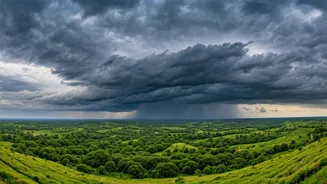
The stars of the show are, of course, the clouds. They don't just appear; they build. Gargantuan cumulonimbus towers amass over the sea, their brilliant white tops catching the sun while their underbellies churn in shades of bruised purple and charcoal gray. They march toward the shore in vast, organized shelves, creating a breathtaking contrast against the green hills that line the coast. For an American audience accustomed to chasing tornadoes in the Plains or watching thunderstorms from a safe distance, this is different. It’s not about danger; it’s about immersive grandeur. The sky becomes a canvas for light and shadow, with shafts of sunlight breaking through the dark masses in a display photographers dream of. It’s a slow, powerful, and utterly captivating process that makes you feel wonderfully small.
More Than Just a View
The experience is a full-sensory immersion. First comes the wind—a cool, salty messenger announcing the clouds’ imminent arrival. Then, the sound: the roar of the waves intensifies, crashing onto the sand with a force unseen during the calm winter months. Finally, the rain. It often arrives in a sudden, torrential downpour that washes the dust from the air, sending the temperature plummeting and releasing the intoxicatingly earthy scent of petrichor—the smell of rain on dry soil. This isn't a time to hide indoors. It’s a time to find a sheltered veranda or a beachfront cafe, order a cup of hot, spiced chai, and watch the world receive a much-needed drink. The storm passes as quickly as it arrives, leaving behind a world that feels cleansed, vibrant, and alive.
A Taste of the Season
The monsoon also brings its own culinary traditions. Along the promenades, street food vendors do a brisk trade in snacks perfectly suited for rainy weather. The quintessential monsoon treat is a plate of piping hot *bhajjis* (vegetables like onions or potatoes dipped in chickpea flour batter and deep-fried) or crispy *mirapakaya bajji* (chili fritters), often served with a tangy chutney. The combination of the hot, savory snack, the cool rain-swept air, and the visual drama of the sea is a core memory for anyone who experiences it. It’s a moment that connects you directly to the local culture, transforming you from a mere tourist into a participant in a cherished seasonal ritual.
Your Front-Row Seat in Visakhapatnam
The epicenter of this phenomenon is the port city of Visakhapatnam, affectionately known as Vizag. Its long, curving coastline offers numerous vantage points. Ramakrishna Beach (RK Beach), with its wide promenade and nearby cafes, is perfect for people-watching and soaking in the atmosphere. For a more rugged and panoramic view, head to Rushikonda Beach, nestled against a backdrop of green hills. Booking a hotel with a sea-facing balcony is the ultimate pro move, giving you a private, front-row seat to the daily performance. As the clouds gather and the first drops of rain begin to fall, you’re not just watching the weather; you’re witnessing the rejuvenation of a landscape and a culture.