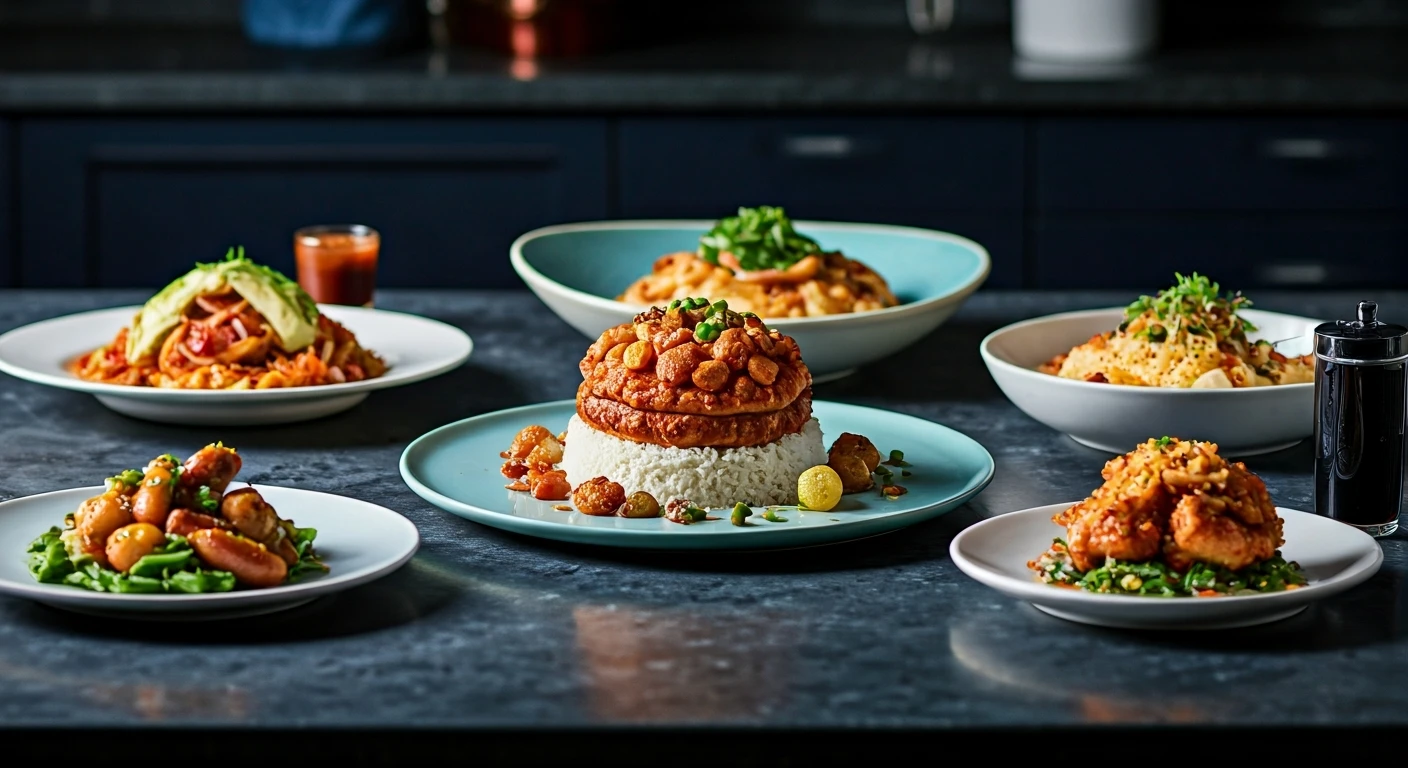

From 'Italian' to 'Roman Cacio e Pepe'
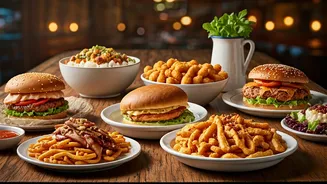
For decades, the American restaurant model relied on broad, easily digestible categories. You went out for 'Chinese,' 'Mexican,' or 'Italian' food. The dishes were often Americanized versions, sanded down for a general palate—think spaghetti and meatballs
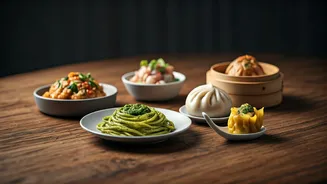
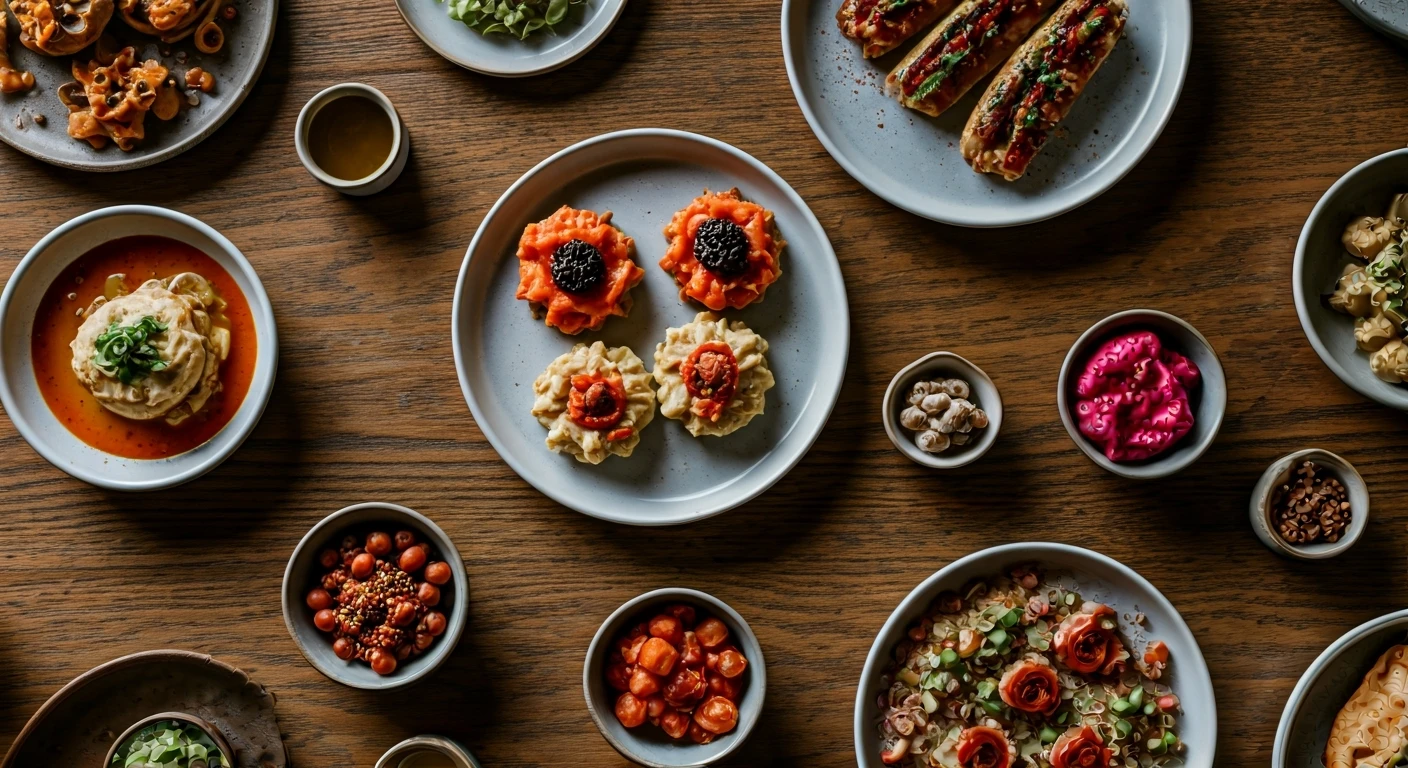
or chop suey. But a quiet revolution has been happening. That Italian restaurant on the corner no longer just serves pasta; it now specifies 'Cacio e Pepe, just like in Rome.' The new taco spot doesn't just do 'tacos'; it offers 'Baja-style fish tacos' or 'Sonoran hot dogs.' This shift from the general to the granular is the new frontier of dining. It’s a move that replaces broad strokes with a fine-tipped pen, celebrating the unique culinary traditions of a specific city, region, or even a single village. For diners, it’s a passport to a more distinct and honest flavor experience without leaving town.
The Quest for Realness
So, why is this happening now? It’s driven by a powerful, collective hunger for authenticity. After years of fusion confusion and generic global cuisine, both chefs and customers are seeking something real. Diners, armed with knowledge from travel shows, food blogs, and social media, are more educated than ever. They know that 'Indian food' isn't a monolith but a vast continent of diverse regional cuisines, from the lentil-based dishes of the north to the coconut-rich curries of Kerala. This savvier audience is rejecting watered-down concepts in favor of restaurants that commit to a specific story. A chef who masters the smoky, vinegar-laced pull of Eastern North Carolina whole hog BBQ isn't just cooking pork; they're acting as a custodian of a specific cultural heritage. Offering this kind of specificity signals a deep respect for ingredients and tradition, creating a powerful bond of trust with the customer before they even take their first bite.
The Social Media Multiplier
Let’s not forget the Instagram effect. A generic cheeseburger is fine, but a photo of a 'Juicy Lucy'—the Minneapolis-born burger with molten cheese stuffed inside the patty—is a guaranteed conversation starter. Hyper-regional dishes are eminently shareable because they come with a built-in story. They are unique, visually interesting, and carry an air of discovery. When someone posts a picture of a Nashville hot chicken sandwich, its crimson, cayenne-dusted coating glowing under the camera flash, they’re not just sharing a meal; they’re sharing a cultural artifact. This creates a powerful feedback loop. Social media buzz drives curiosity and demand, encouraging more restaurants to explore regional niches. In turn, these visually appealing and story-rich dishes provide perfect content for the next wave of posts, turning diners into marketers and obscure local favorites into national phenomena.
A Mark of Mastery
For a chef, specializing in a hyper-regional dish is the ultimate flex. It’s a public declaration of skill and dedication. There’s nowhere to hide when you decide to put Chicago’s Italian beef sandwich, New Haven’s white clam 'apizza,' or a proper Philadelphia roast pork sandwich on your menu. These are dishes with fiercely loyal fan bases and well-established rules. Get the bread wrong, use the wrong kind of cheese, or mess up the signature 'giardiniera,' and the faithful will let you know. By taking on this challenge, a chef is saying, 'I've done the research, I've mastered the technique, and I am confident enough to put my version up against the original.' It’s a high-risk, high-reward strategy that separates the pretenders from the masters. In an industry crowded with imitators, nailing a beloved regional specialty is one of the purest ways to prove you're the real deal.