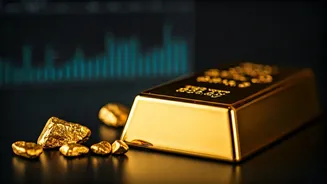







Why Everyone Talks About Gold
Let’s start with why your uncle is so insistent. For centuries, gold has been seen as a “safe haven” asset. When stocks tumble or inflation soars, investors often flock to gold, believing it will hold its value better than paper currency or corporate
shares. It's tangible, rare, and has a global market. This emotional and historical appeal is powerful. However, this appeal often papers over the practical complexities. Gold doesn't pay dividends like stocks or interest like bonds. Its price can be volatile, driven by everything from central bank policies to jewelry demand in India. The simple advice to “buy gold” ignores the most important question: *how* should you buy it? The answer determines your costs, risks, and potential returns.
Physical Gold: Coins and Bullion
This is what most people picture: shiny coins or heavy bars locked away in a safe. The primary advantage is direct ownership. You can hold it, and it’s not tied to the banking system. But the downsides are significant and often overlooked. First, you’ll pay a premium over the spot price of gold when you buy from a dealer. Second, you have to store it securely, which means either buying a high-quality safe or paying for a depository service, adding ongoing costs. It needs to be insured against theft. Finally, when you want to sell, you face the reverse problem: you may have to sell at a discount to the spot price, and finding a buyer quickly isn't always easy. Physical gold is illiquid compared to other assets, making it a poor choice for money you might need in a hurry.
Gold ETFs: The Digital-Age Solution
For investors who want exposure to the price of gold without the hassle of storing it, Gold Exchange-Traded Funds (ETFs) are the most popular option. An ETF is a fund that trades on a stock exchange, just like a regular stock. These funds, such as GLD or IAU, hold physical gold bullion in vaults on behalf of their investors. When you buy a share of a gold ETF, you’re buying a small piece of that larger stash. The benefits are clear: high liquidity (you can buy and sell instantly during market hours), low transaction costs, and no storage headaches. The main drawback? You don't own the physical gold. You own a financial instrument that tracks its price. You also pay a small annual management fee, known as an expense ratio, which can eat into returns over time.
Mining Stocks: A High-Risk, High-Reward Play
Another way to bet on gold is to invest in the companies that mine it. This is an indirect, or leveraged, play on the price of gold. If the price of gold goes up, a well-run mining company’s profits can increase exponentially, sending its stock price soaring. The potential for outsized returns is the big attraction here. However, the risks are also much higher. When you buy a mining stock, you’re not just betting on the price of gold. You’re also betting on that specific company’s management team, its operational efficiency, its political risk in the countries where it operates, and its ability to discover new reserves. A mining disaster, a labor strike, or a bad earnings report can cause the stock to plummet, even if the price of gold is rising. This is an investment in a business, not just a commodity.
Futures and Options: For Experts Only
You may also hear about gold futures or options. These are complex financial derivatives that allow traders to speculate on the future price of gold. They involve high leverage, meaning a small amount of capital can control a large amount of gold. While this can lead to massive profits, it can also lead to equally massive and rapid losses, sometimes exceeding your initial investment. These instruments are designed for sophisticated, professional traders who understand the intricate mechanics and can dedicate significant time to monitoring the market. For the average investor, this is not a strategy—it’s a gamble. Unless you have deep expertise and a high tolerance for risk, this corner of the gold market is best avoided entirely.