


The Hyper-Local Flavor Boom
For decades, the American snack aisle was a monument to mass production. A bag of Lay's Classic tasted the same in Los Angeles as it did in rural Maine. But a strategic shift is underway. Brands like Frito-Lay, Nabisco, and even Pringles are increasingly
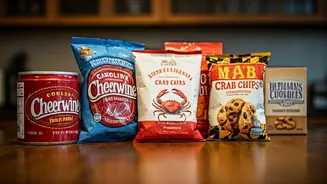
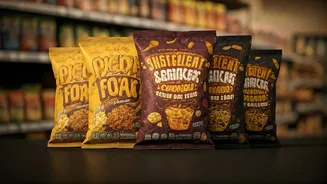
launching limited-edition or permanent flavors aimed at satisfying hyper-specific regional palates. Think Lay's Chesapeake Bay Crab Spice chips dominating shelves in the Mid-Atlantic, or the fiery kick of Flamin' Hot everything becoming a staple across the Southwest and California before it ever went fully national. This isn't just a gimmick; it's a calculated business strategy. Instead of trying to be everything to everyone, snack giants are realizing there’s immense value in being something special to a specific someone, somewhere.
The Data Behind the Cravings
So, how does a boardroom in Plano, Texas, know that people in the Pacific Northwest have a thing for dill pickle-flavored snacks? The answer is data, and lots of it. Companies are using sophisticated tools to mine regional insights. They analyze local sales data to see which niche flavors are already outperforming expectations. They use social media listening to track trending food conversations, hashtags, and restaurant menu items on a zip-code level. If a particular spice blend is blowing up on TikTok among foodies in New Orleans, you can bet Frito-Lay’s analysts know about it. This is followed by rapid, targeted consumer testing in those areas. Small batches are released in select markets to see if the online chatter translates into actual sales. If it does, a regional launch—or even a national one—might be next. It's a low-risk, high-reward way to innovate, letting regional consumer behavior lead product development.
Fighting for Authenticity (and Shelf Space)
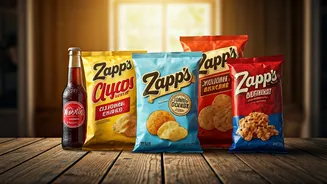
This trend isn't happening in a vacuum. It’s a direct response to a major challenge for Big Food: the rise of the small, authentic, local brand. For years, regional champions have thrived by catering to local tastes. Think of Pennsylvania's obsession with Utz's Carolina Style Barbeque chips, the cult-like devotion to Louisiana's Zapp's Voodoo flavor, or Grippo's Bar-B-Q chips in the Cincinnati area. These brands built their identity on not being a massive, faceless corporation. By launching their own regional flavors, national giants are attempting to borrow that playbook. It’s a way to say, “We get you.” A bag of Lay's Chile Limón in Southern California is more than just a snack; it's an attempt to connect with the region’s deep-rooted culinary identity, competing directly with local Hispanic snack brands that have owned that flavor profile for generations. It creates an aura of authenticity and makes a global brand feel a little more like a hometown favorite.
More Than Just Potato Chips
While the potato chip aisle is the most obvious battlefield for regional flavors, the strategy extends across the grocery store. Oreo has become the master of this, releasing an endless stream of limited-edition cookies that often tap into regional desserts and tastes, from Key Lime Pie to Mississippi Mud Pie. Beverage companies are also in on the act. Dr Pepper, for example, has a unique level of devotion in Texas, where it was invented, and the company leans into that identity with regional marketing and exclusive products like its Dark Berry flavor, which often sees intense demand. Even candy companies are tailoring their spice levels and flavor profiles for different parts of the country. This “glocalization” strategy—thinking globally, acting locally—allows brands to maintain their massive scale while creating pockets of intense customer loyalty that were previously the sole domain of smaller, regional players.