




Embrace the Growing Season With Fertilizer
If you’ve been coasting through winter and spring, now is the time to start a feeding routine. Most houseplants enter their active growing season in late spring and summer, thanks to the increased light and warmth. They’re busy pushing out new leaves,
stems, and roots, and all that work requires fuel. Think of fertilizer as a power-packed smoothie for your plants. A balanced, all-purpose indoor plant fertilizer is perfect for most common varieties. You can choose from liquid, granular, or slow-release spikes. The key is to follow the package directions carefully—over-fertilizing can burn a plant’s roots. A good rule of thumb is to fertilize every two to four weeks during the summer months, but always check the specific needs of your plants. That sad-looking fiddle-leaf fig might not be sad; it might just be hungry.
Assess the Need for a New Home
“Getting serious” often means tackling the task you’ve been avoiding: repotting. June is an ideal time for this because plants are in a vigorous growth phase and will recover from the shock of being moved more quickly. Not every plant needs repotting, so how do you know? Look for the tell-tale signs. Are roots growing out of the drainage holes? Does water run straight through the pot without seeming to saturate the soil? Has the plant’s growth slowed to a crawl? If you see these clues, it’s time for an upgrade. Choose a new pot that is only one to two inches larger in diameter than the current one. Going too big can lead to root rot, as the excess soil stays wet for too long. Use fresh, high-quality potting mix, and give your plant a good drink after settling it into its new home. It’s a bit of work, but you’re setting it up for future success.
Rethink Your Watering Routine
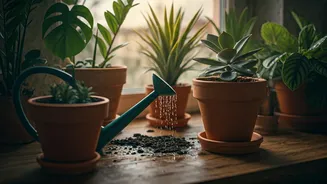
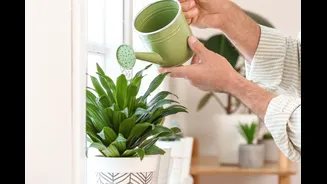
The “water once a week” advice is a well-meaning myth that can lead to disaster in the summer. With more heat and longer hours of light, your plants are photosynthesizing more actively and losing more water through transpiration. The soil will dry out much faster than it did in February. Instead of watering on a rigid schedule, get in the habit of checking the soil. Stick your finger about an inch or two deep. If it feels dry, it’s time to water. If it’s still damp, wait another day or two. Water thoroughly until it runs out of the drainage holes, then dump the excess water from the saucer. Letting a plant sit in a puddle is a fast track to root rot. For humidity-loving tropicals like ferns and calatheas, summer can be a challenge. Consider grouping them together to create a more humid microclimate or using a small humidifier.
Go on Active Pest Patrol
Unfortunately, you’re not the only one who loves the warm weather. Common houseplant pests like spider mites, mealybugs, and aphids also thrive in summer conditions. This is when infestations can get out of control if you’re not paying attention. Make a weekly habit of inspecting your plants. Check the undersides of leaves, the crooks of stems, and the new, tender growth. Look for tiny webs (spider mites), fuzzy white spots (mealybugs), or sticky residue on the leaves (a sign of pests like aphids or scale). Catching these invaders early makes them much easier to manage. Most can be treated with a simple wipe-down with a damp cloth, a spray of insecticidal soap, or an application of neem oil. A proactive approach is far less stressful than dealing with a full-blown crisis later.
Adjust Their Place in the Sun
The sun’s path in the sky changes with the seasons. A window that provided perfect, gentle morning light in the winter might be blasting your monstera with intense, scorching afternoon sun in June. Direct summer sun can easily scorch the leaves of many popular houseplants, leaving behind brown, crispy patches. Take a moment to observe the light in your home throughout the day. You may need to move some plants a few feet back from a south- or west-facing window or hang a sheer curtain to diffuse the light. Conversely, if you have plants that crave more light, like succulents and cacti, now is the time to move them to your sunniest spot so they can soak up the rays and avoid getting stretched out and pale.