





Why Washing Is a Wellness Practice
The term “immunity hack” often brings to mind exotic berries or expensive powders. But the core principle of a resilient immune system is simple: don’t make it work harder than it has to. Every time your body is forced to fight off a pathogen from improperly
handled food, it’s diverting resources that could be used to fend off other viruses and bacteria. Think of proper fruit preparation not as a way to magically “boost” your immunity, but as a critical defensive measure. It’s about preventing avoidable battles. Produce can be contaminated in numerous ways—from the soil and water it grows in to the hands that harvest, pack, and stock it. Pathogens like Salmonella, E. coli, and Listeria are invisible to the naked eye but can cause significant illness. By thoroughly cleaning your fruit, you’re removing these potential threats before they ever have a chance to tax your system. It’s the foundational step that makes all the other healthy choices you make even more effective.
The Right Way to Wash Your Fruit
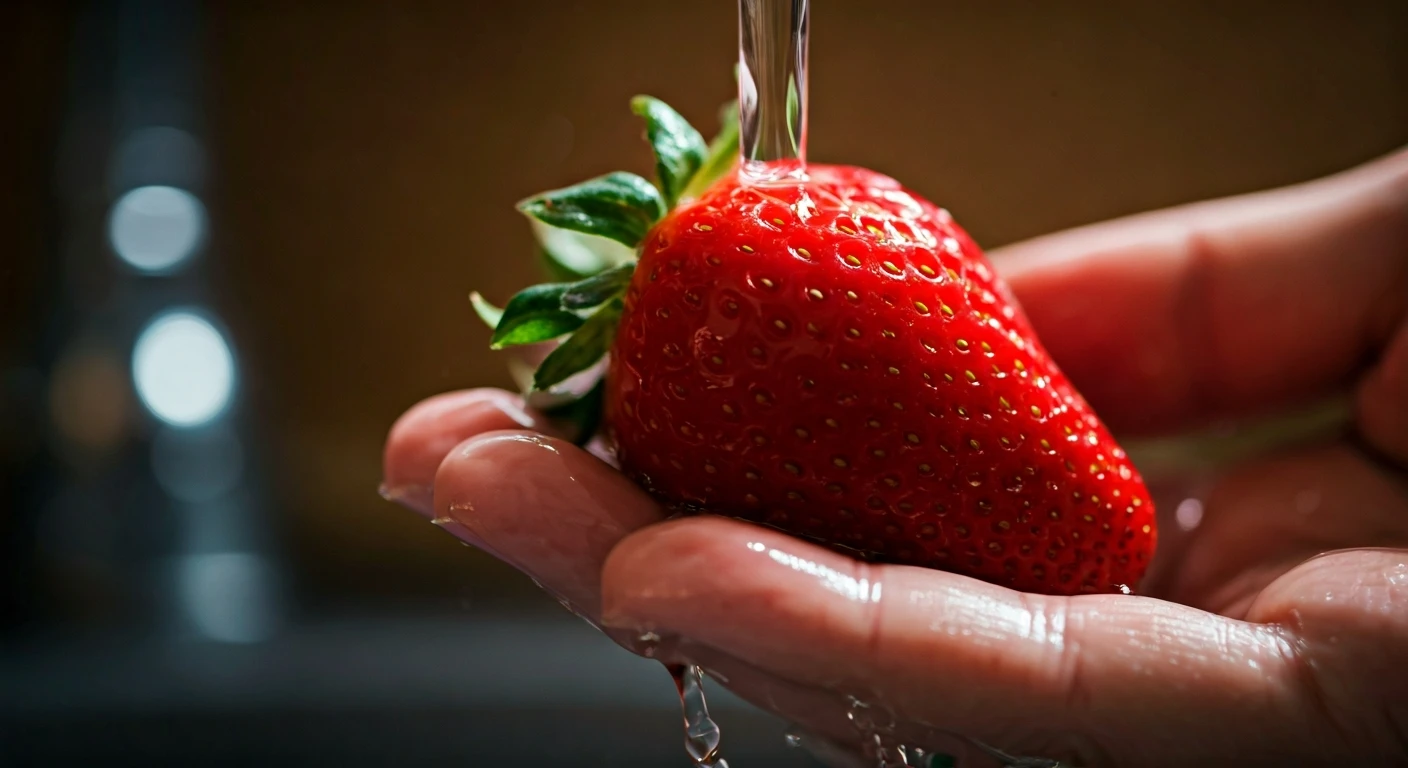
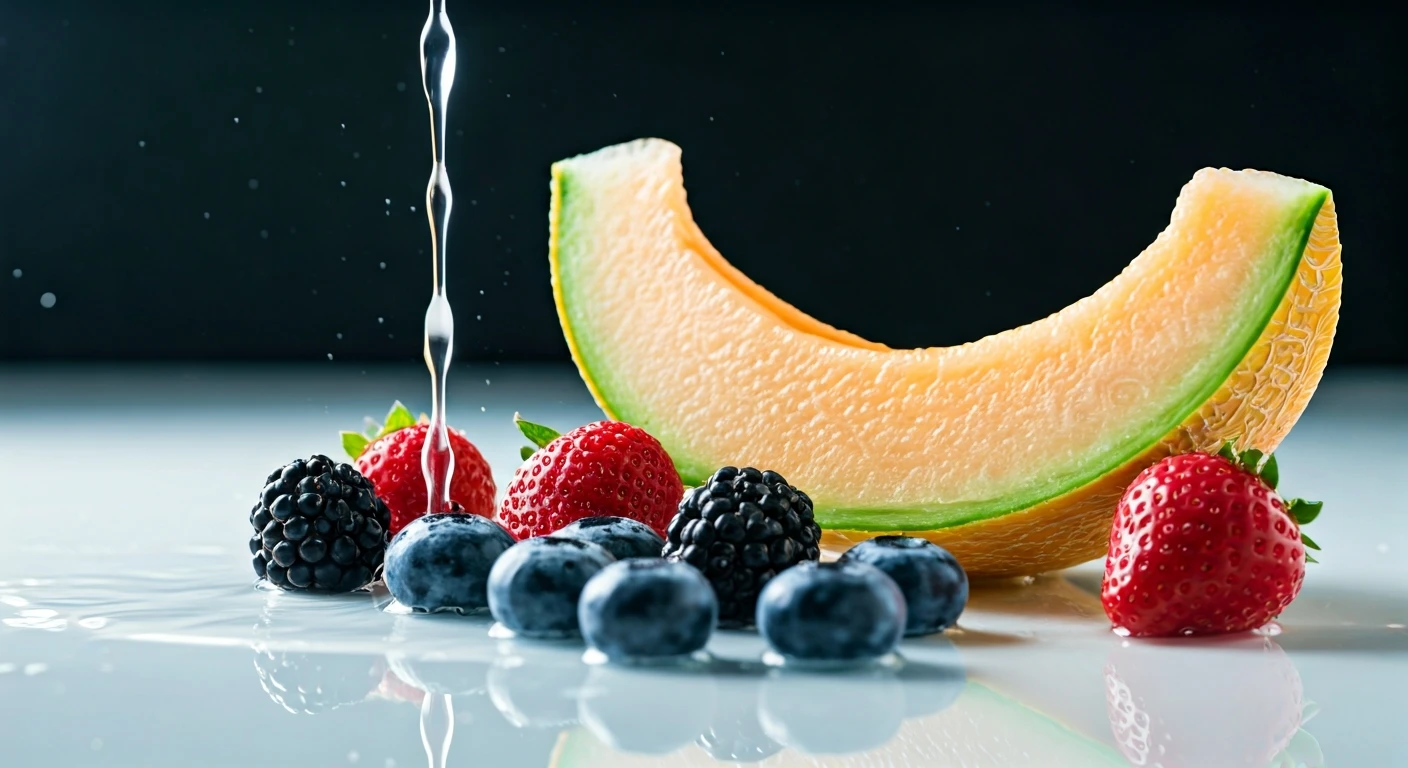
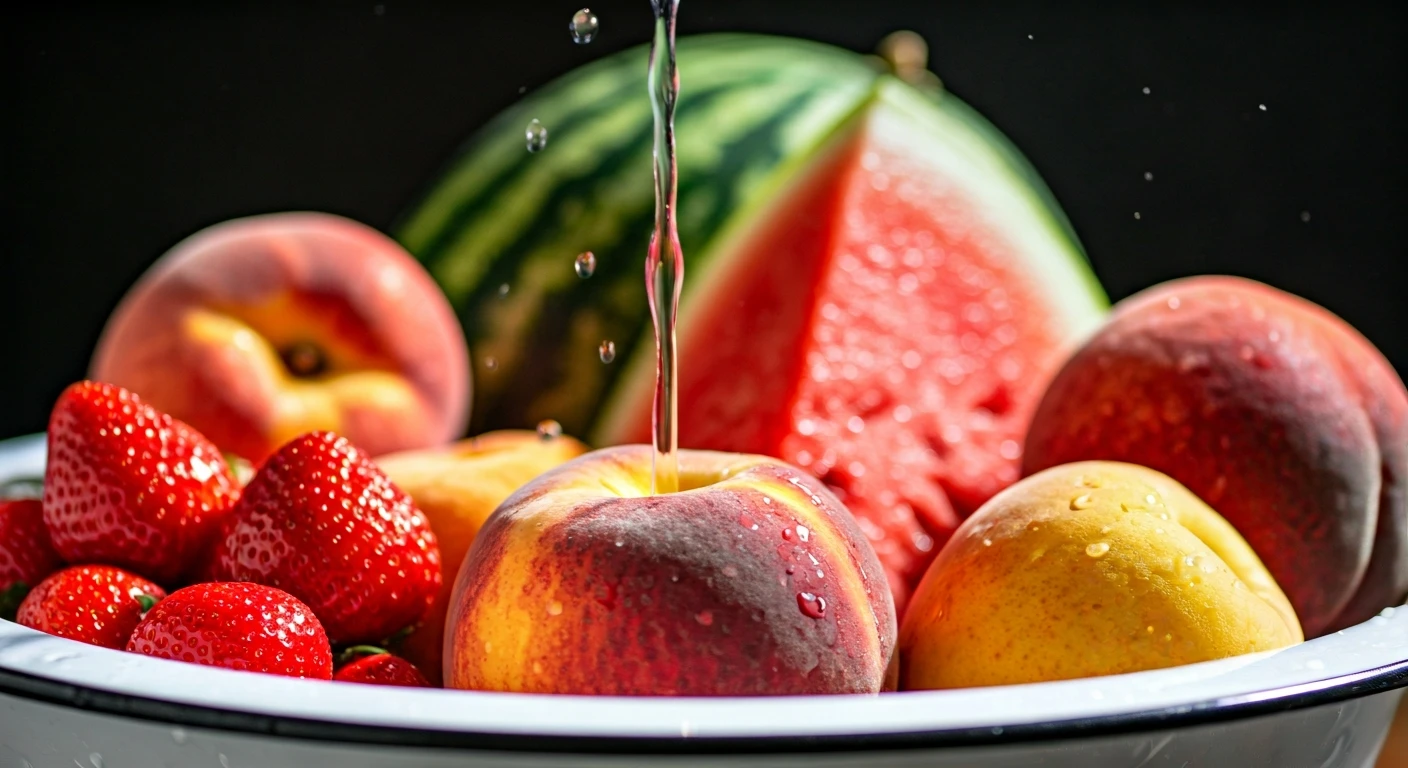
So, what does “properly washed” actually mean? It’s more than a quick splash under the faucet. The FDA and other food safety experts have clear, science-backed guidelines. First, start with clean hands. Wash your hands for 20 seconds with soap and water before handling any produce. For the fruit itself, the gold standard is cool, running water. Don’t soak fruit in a basin of water, as this can allow any pathogens on one piece to transfer to others. For firm-skinned fruits like apples, melons, and lemons, use a clean produce brush to scrub the surface. This mechanical friction is crucial for dislodging stubborn contaminants. For softer items like berries or grapes, place them in a colander and rinse them gently under running water, tossing them lightly with your hands to ensure all surfaces get washed. The key is to wash produce right before you plan to eat or cut it, as washing too early can promote spoilage. Finally, dry your fruit with a clean cloth or paper towel. This extra step removes any lingering bacteria that might have survived the rinse.
Busting Common Produce Myths
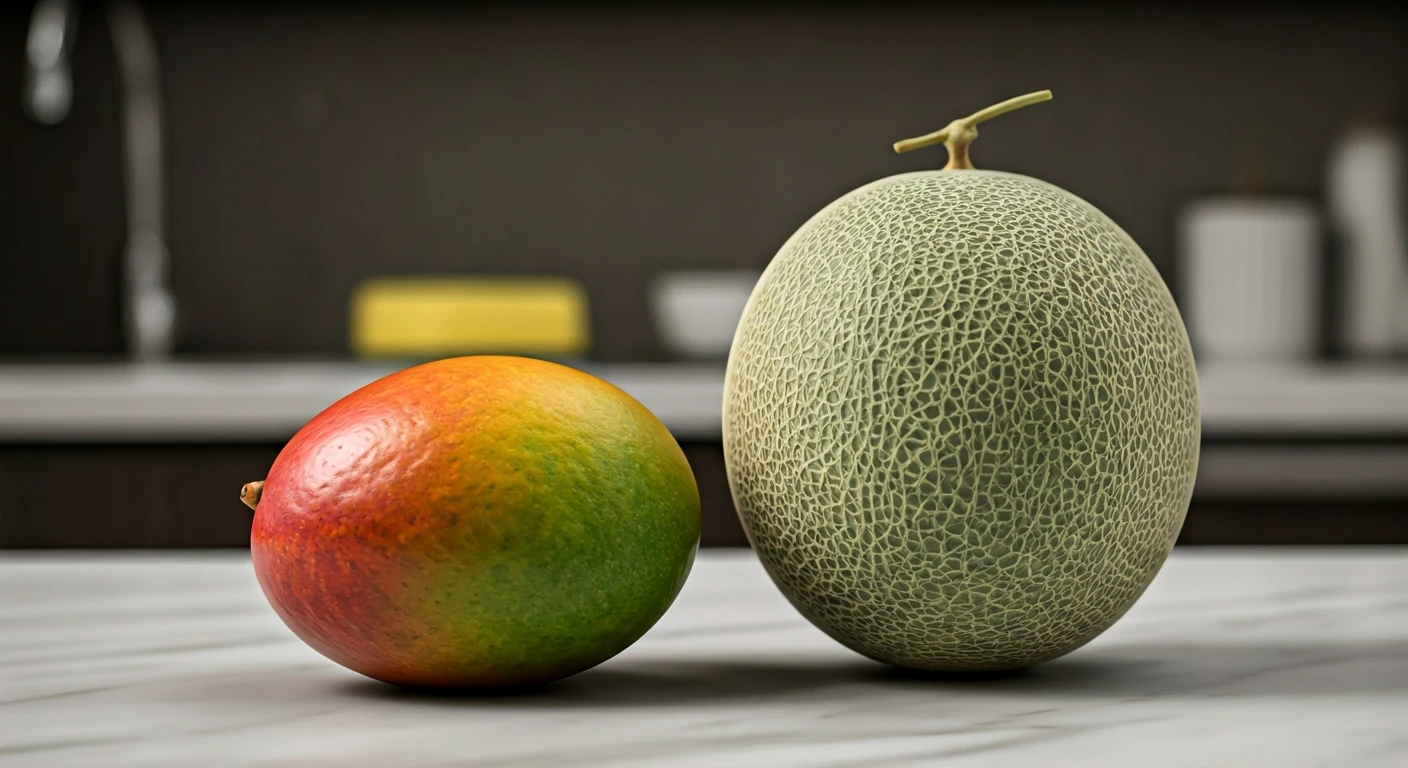
Several persistent myths can lead to risky shortcuts in the kitchen. Let’s clear them up. **Myth: You don’t need to wash fruit with a peel you discard.** This is one of the most dangerous misconceptions. When you cut into an unwashed melon, avocado, or orange, the knife can drag bacteria from the rind directly into the edible flesh. Always wash these items thoroughly before slicing. **Myth: Organic fruit is clean fruit.** “Organic” refers to the farming method—specifically, the absence of synthetic pesticides and fertilizers. It has nothing to do with microbial contamination. Organic produce is grown in soil and is subject to the same environmental pathogens as conventionally grown fruit. It must be washed just as carefully. **Myth: A quick rinse is good enough.** A quick, passive rinse removes some surface dirt, but it’s the combination of running water and gentle friction—either from your hands or a brush—that effectively removes a significant amount of microbes and pesticide residues.
Should You Use Soaps or Special Washes?
Walking down the grocery aisle, you’ve likely seen commercial fruit and vegetable washes promising superior cleaning power. Are they worth it? According to the FDA, the answer is generally no. The effectiveness of these products has not been tested or standardized, and cool running water is considered sufficient. More importantly, you should never use household dish soap or detergents on your produce. These products are not intended for consumption and can leave behind residues that aren't safe to ingest. Some people swear by a vinegar soak (typically one part white vinegar to three parts water) as an extra antimicrobial step. While some studies suggest it can be slightly more effective than water alone for certain bacteria, it’s not considered essential by major food safety organizations and can leave an aftertaste on more porous fruits. For most daily purposes, clean hands, cool running water, and a bit of friction are all you need to get the job done safely and effectively.