



Kanji: The Original Probiotic Drink
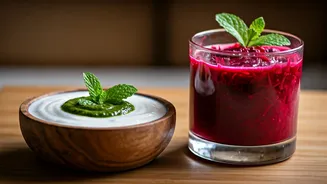
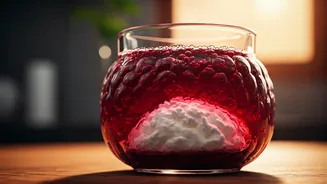
Before kombucha was a billion-dollar industry, there was kanji. This North Indian fermented drink is traditionally made with black carrots, beetroot, water, and mustard seeds, then left to mature in the sun. The result is a tangy, slightly pungent, and deeply
purple beverage that’s bursting with gut-friendly bacteria. Unlike store-bought kombucha, which can be loaded with sugar, traditional kanji is a low-calorie, seasonal powerhouse. It’s the kind of drink grandmothers have prescribed for generations to aid digestion and boost immunity. Forget the SCOBY-sitting-on-your-counter aesthetic; kanji is rustic, effective, and deeply connected to the rhythm of the seasons.
Dahi: The Everyday Superstar
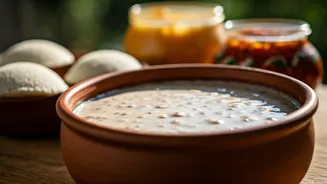
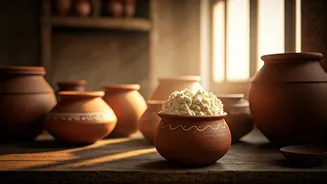
In the U.S., we have aisles dedicated to yogurt, from Greek to Icelandic to plant-based. In most Indian households, there’s just dahi (or curd). This homemade yogurt is a daily staple, not a wellness luxury. Made by simply adding a starter culture (a spoonful from the last batch) to warm milk and letting it set, dahi is a cornerstone of the Indian diet. It’s eaten plain, whisked into the cooling drink lassi, used to tenderize meats, or turned into raita, a savory dip. Its live and active cultures are essential for digestive balance in a cuisine known for its bold spices. It represents a core principle: wellness isn't a product you buy, but a practice you maintain.
Idli & Dosa: The Fermented Power Breakfast
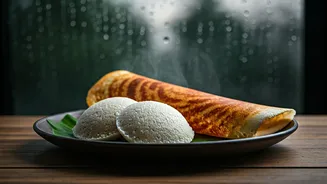
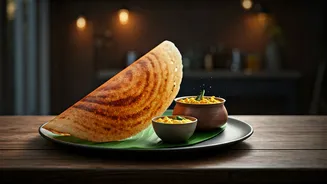
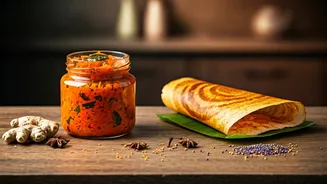
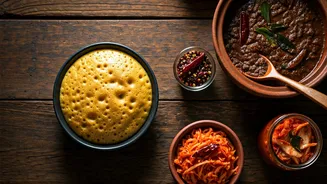
If your idea of a healthy breakfast is a bland protein bar, allow us to introduce idli and dosa. Both hail from South India and are made from a fermented batter of rice and lentils. The fermentation process does two wonderful things: it makes the nutrients in the grains more bioavailable and easier to digest, and it creates a beautifully complex, slightly sour flavor. Idli are soft, steamed, cloud-like cakes, while dosa is a thin, crispy crêpe. They are naturally gluten-free and vegan, and when served with sambar (a lentil stew) and chutneys, they form a complete, protein-rich meal that keeps you full for hours. It’s breakfast that works for your gut, not against it.
Dhokla: The Savory, Spongy Snack
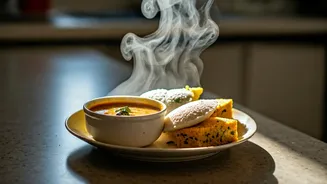
Imagine a savory cake that’s light, airy, and good for you. That’s dhokla. This popular snack from the state of Gujarat is made from a fermented batter of chickpea flour (besan). The batter is steamed, creating a spongy, delicate texture. It’s then typically topped with a tempering of mustard seeds, curry leaves, and green chilies. The fermentation breaks down complex starches and proteins, making dhokla remarkably easy on the stomach. It offers sustained energy without the crash of a sugary snack and provides a dose of plant-based protein and fiber. It’s proof that fermented foods don’t have to be sour or liquid; they can be fluffy, savory, and incredibly satisfying.
Achaar: The Realest of Pickles
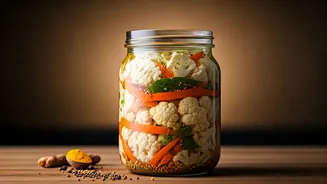
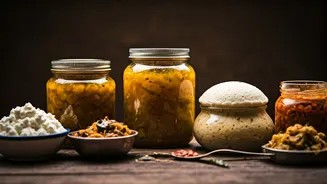
American pickles are typically preserved in a vinegar brine. Traditional Indian pickles, or achaar, are a different beast entirely. They are a product of lacto-fermentation, where vegetables or fruits (like mangoes, limes, or chilies) are preserved in salt, spices, and oil. Over time, beneficial lactobacillus bacteria break down the sugars, creating the sour tang and preserving the pickle. A small spoonful of achaar can transform a simple meal of rice and dal, adding a concentrated burst of flavor and a dose of probiotics. While high in sodium and meant to be eaten in moderation, they are a powerful example of how fermentation was used for centuries not just for preservation, but for creating complex, unforgettable flavors.