

1. Dunkaroos: The Ultimate 90s Status Symbol
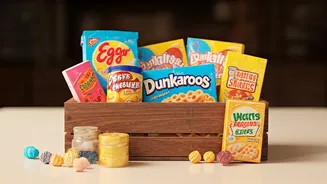
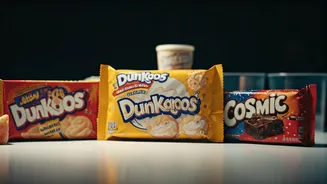
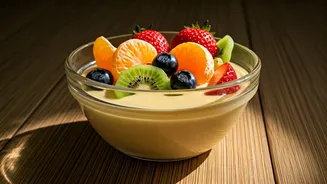
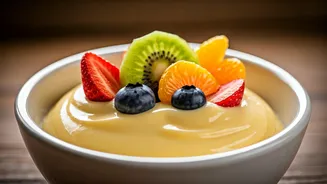
If you were a kid in the 1990s, the undisputed king of the lunch table was Dunkaroos. This iconic Betty Crocker creation wasn’t just a snack; it was a status symbol. The little plastic tray held a handful of crispy cookies (cinnamon, vanilla, chocolate)
and a generous well of sweet, funfetti-flecked frosting for dipping. It was pure, unadulterated sugar joy. When General Mills discontinued them in the U.S. in 2012 (though they lived on in Canada for a few more years), a generation of millennials was heartbroken. For years, social media was flooded with pleas, petitions, and throwback photos. Celebrities lamented their absence. Finally, in 2020, General Mills listened. The company explicitly credited "years of requests from fans" for the revival, launching a massive marketing campaign built around 90s nostalgia. The relaunch was a masterclass in listening to your audience, proving that a dedicated fan base with a Twitter account can be the most powerful R&D department in the world.
2. Doritos 3D Crunch: A Sci-Fi Snack Reborn
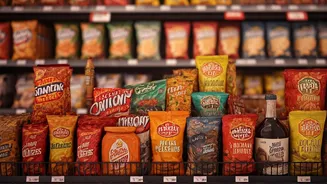
In the late 90s and early 2000s, Frito-Lay decided the classic triangular Dorito wasn't futuristic enough. The solution? Doritos 3D, a hollow, puffed-up version that delivered an airy, intense crunch. Promoted with a blockbuster Super Bowl ad featuring Ali Landry, these space-age snacks in Chili Cheese Nacho and Jalapeño Cheddar flavors became an instant cult classic. But like many novelty items, their time was short, and they vanished from shelves in the mid-2000s. For over a decade, their memory lived on in internet forums and "snacks we miss" listicles. Then, TikTok happened. A new generation discovered the legend of the 3D Dorito, and old fans found a new platform to voice their demands. In 2021, Frito-Lay brought them back, rebranded as Doritos 3D Crunch. The return was tailor-made for the viral age, leveraging the very social media groundswell that had called for it. It was a clear signal that even a seemingly forgotten product could find a new, massive audience online.
3. Oreo Cakesters: The Softer Side of a Classic
What happens when you take America’s favorite cookie and turn it into a soft, pillowy snack cake? You get Oreo Cakesters. Launched in 2007, these treats featured two chocolate cake discs sandwiching the classic creme filling. They were an immediate hit with those who found regular Oreos a bit too crunchy. But despite a loyal following, Nabisco pulled the plug on Cakesters just five years later in 2012, leaving fans confused and craving. For nearly a decade, the demand never died down. Online petitions garnered thousands of signatures, and social media pages dedicated to their return kept the hope alive. In 2022, Oreo finally resurrected the beloved snack cakes, announcing the comeback with a cheeky campaign acknowledging the long wait. The company framed the return as a direct response to the persistent fan outcry, proving that sometimes the simplest way to innovate is to simply bring back something people already love.
4. Crispy M&Ms: A Comeback a Decade in the Making
Sometimes, you don't know what you've got 'til it's gone. That was the case with Crispy M&Ms. Introduced in 1999, the light blue-packaged candy featured a crispy wafer center coated in milk chocolate and a colorful shell. They were lighter and more sessionable than their peanut or milk chocolate counterparts. But in 2005, Mars replaced them with Pretzel M&Ms, sparking one of the longest-running fan campaigns in snack food history. A Facebook page titled "Bring Back Crispy M&M's" amassed tens of thousands of followers. Every announcement from the M&Ms brand was met with a barrage of comments demanding the crispy version’s return. After nearly ten years of relentless online pressure, Mars relented. In 2015, Crispy M&Ms made their permanent comeback, not as a limited-edition stunt, but as a full-time member of the M&M family. The brand openly stated the decision was a direct result of the overwhelming consumer demand.
Why This Is All Happening Now
This isn't just a random wave of nostalgia. It's a calculated business strategy fueled by the internet. For food giants like General Mills and Frito-Lay, reviving a discontinued product is a low-risk, high-reward bet. The market research is already done—for free—by the thousands of fans pleading for a product’s return on TikTok, Instagram, and X (formerly Twitter). There's no need to guess if people will like it; they already have a built-in audience of eager buyers. Furthermore, nostalgia is a powerful emotional driver. In uncertain times, consumers gravitate toward the familiar comfort of their past. A bite of a Dunkaroo isn't just a snack; it's a taste of a simpler time, a memory of school lunches and Saturday morning cartoons. Brands are simply monetizing our collective memory, and social media has given them a direct, real-time focus group to tell them exactly which memories to sell back to us.