





First, What Is Biophilic Design?
Forget a few sad potted plants in the lobby. Biophilic design is a much deeper architectural philosophy centered on connecting people with nature. The term itself, popularized by biologist E.O. Wilson, refers to humanity’s innate tendency to seek connections
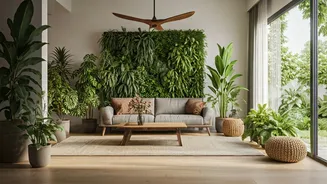
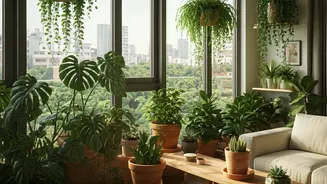
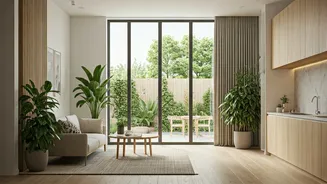
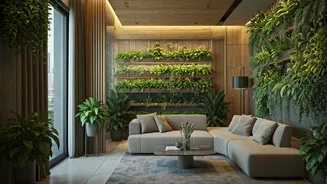
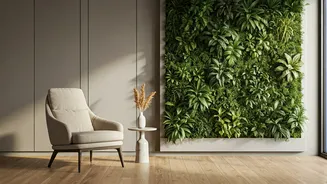
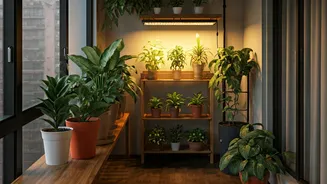
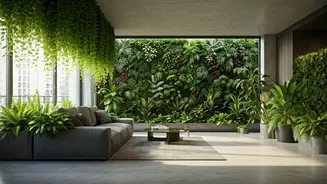
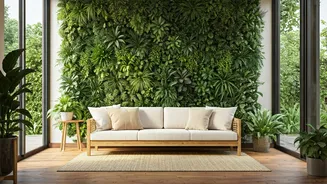
with nature and other forms of life. In practice, this means creating spaces that do more than just let the outside in. Think buildings designed around living walls lush with vegetation, interiors flooded with natural light from strategically placed windows and skylights, the use of natural materials like wood and stone, and layouts that promote natural airflow. It can even include water features that provide calming ambient sound or patterns and textures that mimic those found in the natural world. It’s a holistic approach that aims to improve well-being, reduce stress, and create healthier environments for living and working.
The Urban Wellness Imperative
So, why is this trend exploding in India specifically? A major driver is the country's rapid and often chaotic urbanization. Major metropolitan areas like Mumbai, Delhi, and Bengaluru are some of the most densely populated on earth, often grappling with significant air and noise pollution. For the growing affluent and upper-middle-class populations, the home is no longer just a place to live; it's a sanctuary from the urban grind. The COVID-19 pandemic amplified this desire tenfold. After months of lockdowns in concrete apartments, the demand for homes that offered a sense of openness, fresh air, and a connection to greenery skyrocketed. Buyers are now willing to pay a premium for properties that promise better health and psychological well-being, turning a design preference into a powerful market force.
A Modern Return to Tradition
While the term 'biophilic' is modern, the concept is deeply rooted in Indian culture and traditional architecture. For centuries, Indian homes were built with features that inherently connected inhabitants with their environment. Think of the central courtyard, or ‘aangan,’ a common feature that served as a private, open-to-sky space for families to gather, work, and connect with daylight and air. Verandas, intricate ‘jalis’ (latticed screens) that allowed for ventilation while providing shade, and the use of local, natural materials were standard. Today’s biophilic trend can be seen as a contemporary reinterpretation of these age-old principles. Architects and developers are finding that these traditional designs are not just culturally resonant but are also incredibly effective, energy-efficient, and well-suited to the Indian climate. It's a fusion of modern science and ancestral wisdom.
A New Definition of Luxury
For real estate developers, embracing biophilic design is no longer a niche marketing tactic—it's a competitive necessity. In a crowded marketplace, properties that offer green roofs, vertical gardens, large balconies, and wellness-focused amenities stand out. These features are no longer just line items in a brochure; they are the main event. Developers report that biophilic projects not only command higher prices and attract a more discerning clientele but also often sell faster. The concept of luxury is shifting from ostentatious materials and imported fixtures to something more experiential: the quality of the air you breathe, the amount of natural light in your living room, and the feeling of tranquility your home provides. This makes biophilic design a powerful tool for differentiation and a key driver of value in India's contemporary real estate landscape.