


1. Find the Perfect Pot (For Less Than a Latte)
The single biggest mistake new container gardeners make is choosing a pot that’s too small. A tomato plant needs room for its roots to grow and access water. You need a container that holds at least 5 gallons of soil—anything smaller will dry out too quickly
and stunt your plant. Forget expensive ceramic pots from a fancy garden center. A food-grade 5-gallon bucket from a hardware store (often under $5) is your best friend. Just make sure to drill three to four half-inch drainage holes in the bottom. No drill? A hammer and a large nail or screwdriver will do the trick. Good drainage is non-negotiable; without it, your plant’s roots will rot.
2. Don't Use Dirt on Dirt-Cheap Soil
It’s tempting to scoop some soil from a nearby park or yard, but don't do it. Garden soil is too dense for containers, compacting easily and suffocating roots. It also contains weed seeds and potential pests. You need a light, fluffy potting mix designed for containers. To stick to a budget, buy one good-sized bag of all-purpose potting mix. A 1-cubic-foot bag is often enough to fill a 5-gallon container and costs around $10-$15. This is your biggest upfront expense, but it’s the foundation for a healthy plant. For an extra boost without breaking the bank, see if a local community garden or municipality offers free compost you can mix in.
3. Choose a Container-Friendly Champion
Not all tomato plants are created equal. Walking into a garden center, you’ll see dozens of varieties. For urban gardening, you want a “determinate” or “bush” variety. These plants grow to a fixed, compact size, produce their fruit over a few weeks, and are perfect for pots. Indeterminate varieties are vining plants that keep growing all season and can quickly become unmanageable 10-foot monsters. Look for starter plants with names like 'Patio Princess,' 'Bush Goliath,' 'Celebrity,' or cherry tomato varieties like 'Tiny Tim.' A healthy starter plant (about 6-10 inches tall) from a nursery or hardware store is a much better bet for beginners than starting from seed and usually costs less than $5.
4. Give It a Place in the Sun
Tomatoes are sun worshippers. They need a minimum of six to eight hours of direct, unfiltered sunlight per day to produce fruit. Before you buy anything, scout the sunniest spot on your balcony, patio, stoop, or fire escape. Watch it for a full day to see how the light moves. This is the most crucial step for success. Without enough sun, you’ll get a leafy green plant but very few, if any, tomatoes. Once you've planted your tomato in its new pot (burying the stem a few inches deep to encourage more roots), place it in its sunny home and let it settle in.
5. Master the Art of Food and Water
Inconsistent watering is the enemy of container tomatoes. The rule is simple: stick your finger about an inch into the soil. If it’s dry, it’s time to water. If it’s damp, wait. Water deeply until you see it run out the drainage holes, then let it be. On hot, sunny days, you may need to water daily. As for food, your potting mix has some nutrients, but a hungry tomato plant will use them up. You don't need fancy fertilizers. A basic, all-purpose liquid fertilizer (like a 10-10-10) is inexpensive and effective. Follow the instructions on the bottle, typically feeding your plant every two to three weeks after it starts to flower.
6. Savor the Sweet Victory
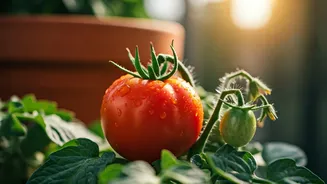
After a few weeks of care, you'll see small yellow flowers appear, followed by tiny green orbs. This is the magic moment. Continue your watering and feeding schedule, and watch as those green tomatoes grow and eventually blush with color. The reward for your patience is a perfectly ripe, organic tomato that costs a fraction of what you’d pay at a farmers market. The taste of a tomato you grew yourself, still warm from the sun, is a delicious victory that no grocery store can replicate.