





Beyond the Diet Graveyard
So, what exactly is a 'balanced meal' in this new era? It’s less about a specific, branded diet and more about a durable principle. Forget the strict exclusion of entire food groups that defined Atkins, Keto, or Paleo at their most dogmatic. Instead,
think of a plate that consistently includes three core components: lean protein, complex carbohydrates, and healthy fats, alongside a generous portion of vegetables for fiber and micronutrients. It’s not a revolutionary concept—it’s the foundation of nutrition—but its resurgence is a direct response to the burnout culture of extreme dieting. A balanced meal doesn’t require you to count every almond or weigh every chicken breast. It asks for mindfulness over obsession, prioritizing nutrient-dense whole foods most of the time while leaving room for the foods you love. This approach reframes food not as the enemy to be conquered, but as the fuel required for a vibrant, active life.
The Backlash to 'All or Nothing'
The shift toward balanced eating is fueled by a collective exhaustion with the 'all or nothing' fitness cycle. We’ve seen a decade of influencers promoting punishing workout regimens and diets that were socially isolating and mentally taxing. The result? A pattern of intense commitment followed by inevitable burnout, often leaving people feeling worse than when they started. This new movement recognizes the immense mental toll of food guilt and dietary restriction. It champions a more compassionate and realistic approach, acknowledging that life includes birthdays, holidays, and evenings out with friends. The 'flex' is no longer about how much you can restrict, but how well you can integrate healthy habits into your real, messy life without sacrificing your mental well-being or social connections. It’s a quiet rebellion against a wellness industry that often conflated suffering with progress.
Performance, Not Just Appearance
While extreme diets can produce rapid aesthetic changes, they often come at the cost of actual performance. Low-carb fatigue, poor workout recovery, and unstable energy levels are common side effects. Balanced eating, on the other hand, is designed for the long haul. Providing your body with a steady supply of all major macronutrients ensures you have the energy to crush a workout, the protein to repair and build muscle afterward, and the fats to support hormonal health. This translates into tangible benefits: more strength, better endurance, deeper sleep, and improved cognitive function. It’s about building a body that doesn’t just look good, but feels resilient, capable, and full of vitality day in and day out. This is the true long-term prize. The new flex is having the energy to play with your kids after work, the focus to excel in your career, and the stamina to enjoy your weekend hobbies, year after year.
How to Build Your Own Balanced Plate
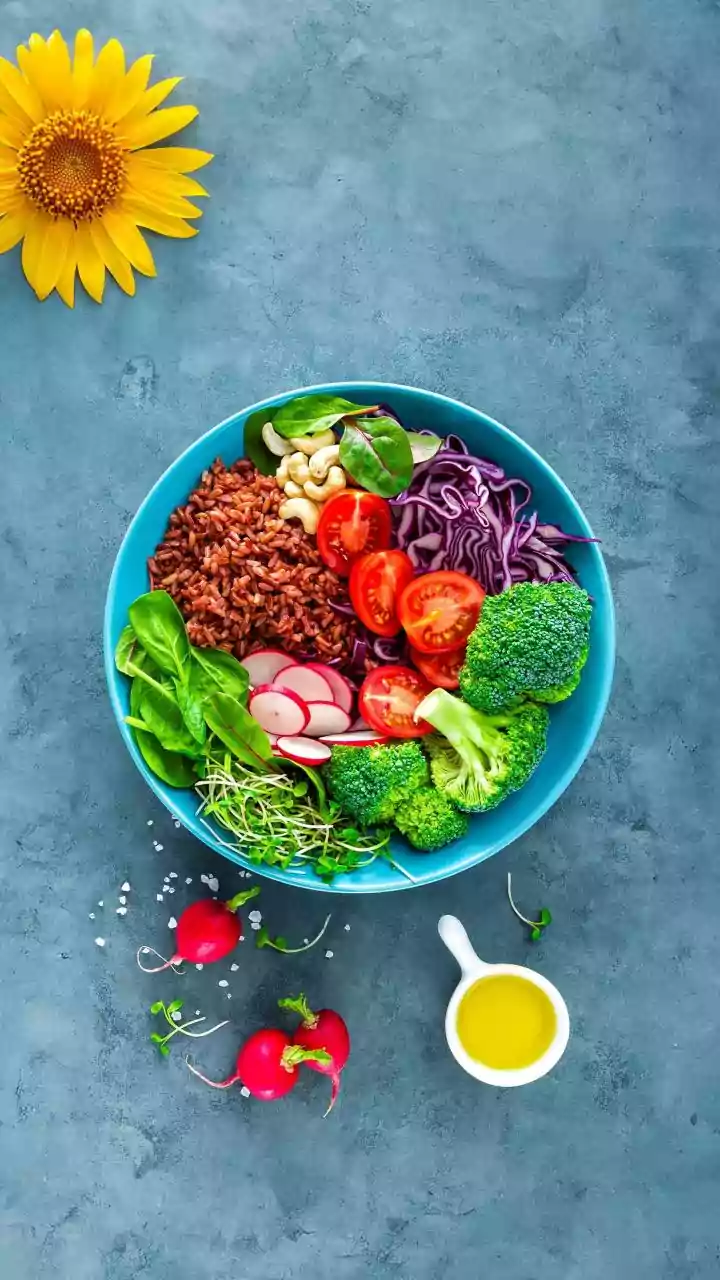
Embracing this philosophy doesn’t require a nutrition degree. It starts with simple, visual cues. One of the easiest methods is the 'Plate Method.' Aim to fill half your plate with non-starchy vegetables (like broccoli, spinach, or bell peppers). This covers your fiber and vitamin needs. Devote one quarter of the plate to a source of lean protein (like chicken, fish, tofu, or beans) to promote satiety and muscle repair. Fill the final quarter with a complex carbohydrate (like quinoa, brown rice, sweet potatoes, or whole-wheat pasta) to provide sustained energy. Add a source of healthy fat, whether it's from the protein (like salmon), a dressing (like an olive oil vinaigrette), or an addition like avocado. This simple framework is infinitely customizable, works for almost any cuisine, and removes the stress of calorie counting, allowing you to build satisfying, nourishing meals with confidence.