

Rajasthan’s Only Hill Station
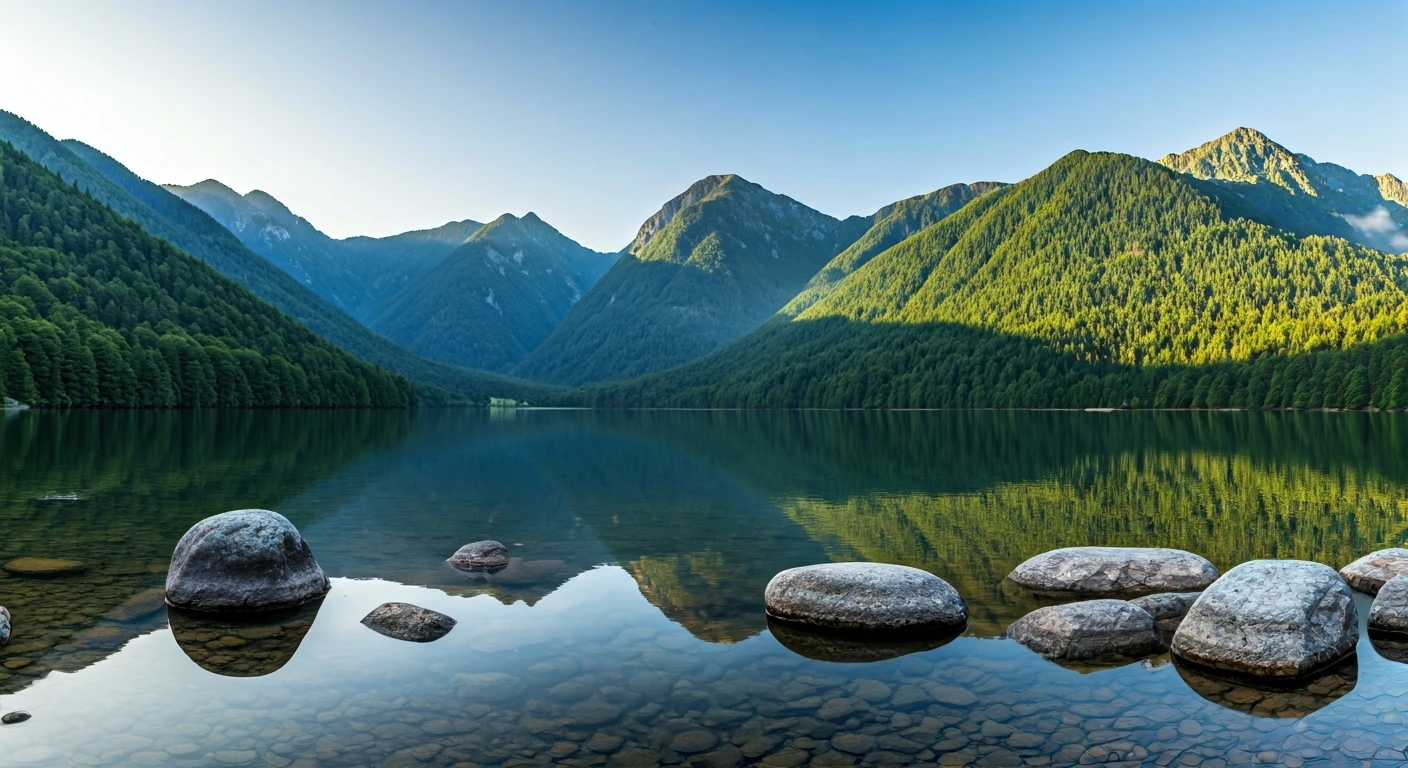
In a state famed for the golden dunes of the Thar Desert and the sun-baked forts of Jaipur and Jodhpur, Mount Abu feels like a geographical anomaly. It is, quite literally, the only hill station in Rajasthan. The term “hill station” itself is a relic
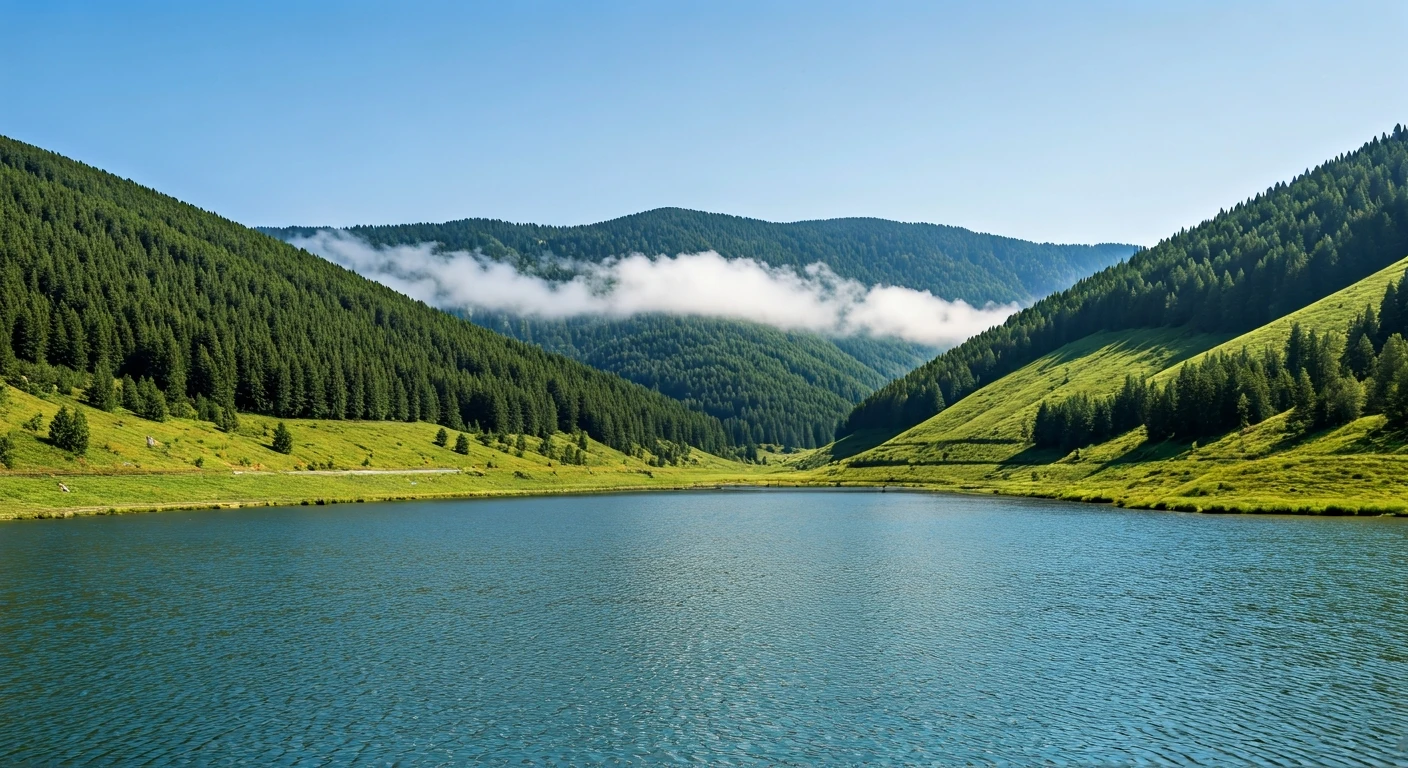
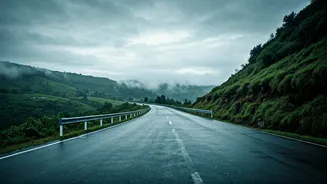
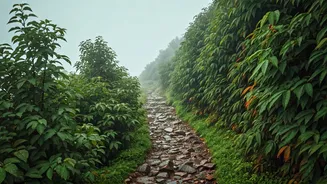
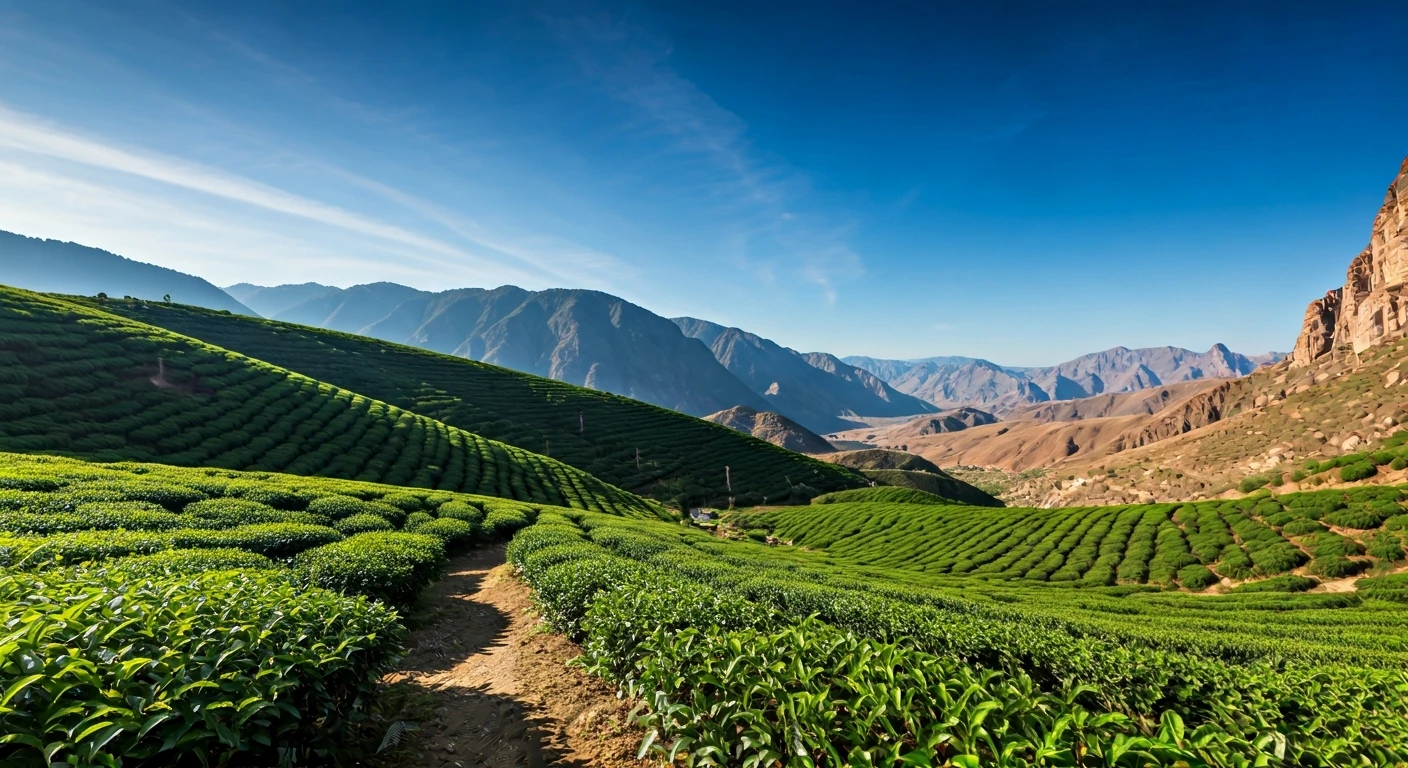
of the British Raj, referring to high-altitude towns where colonial administrators fled to escape the suffocating heat of the Indian summer. While places like Shimla and Darjeeling are famous in the Himalayas, Mount Abu served the same purpose in the west. Its surprisingly temperate climate, with pleasant summers and cool winters, makes it a year-round destination. The drive up the winding roads, watching the scrubby desert landscape transform into dense, green forests of pine and eucalyptus, is an experience in itself—a clear signal that you’re leaving the heat behind for something entirely different.
The Masterpiece in Marble: Dilwara Temples
While the cool air is what draws many, the soul of Mount Abu lies within the Dilwara Temples. Don’t let the modest exterior fool you. Built between the 11th and 13th centuries, this complex of five Jain temples is an absolute marvel of marble craftsmanship. The level of detail is staggering; every ceiling, pillar, and doorway is covered in intricate carvings of lotus buds, deities, and mythological scenes that are so fine they appear almost translucent. The artistry is often compared to the Taj Mahal, but where the Taj is grand and symmetrical, Dilwara is intimate and astonishingly complex. It’s not just a historical site but a living place of worship, offering a serene and spiritual counterpoint to the town’s more leisurely attractions. Visitors are often left speechless by the sheer dedication and skill required to create such a masterpiece.
Life Around Nakki Lake
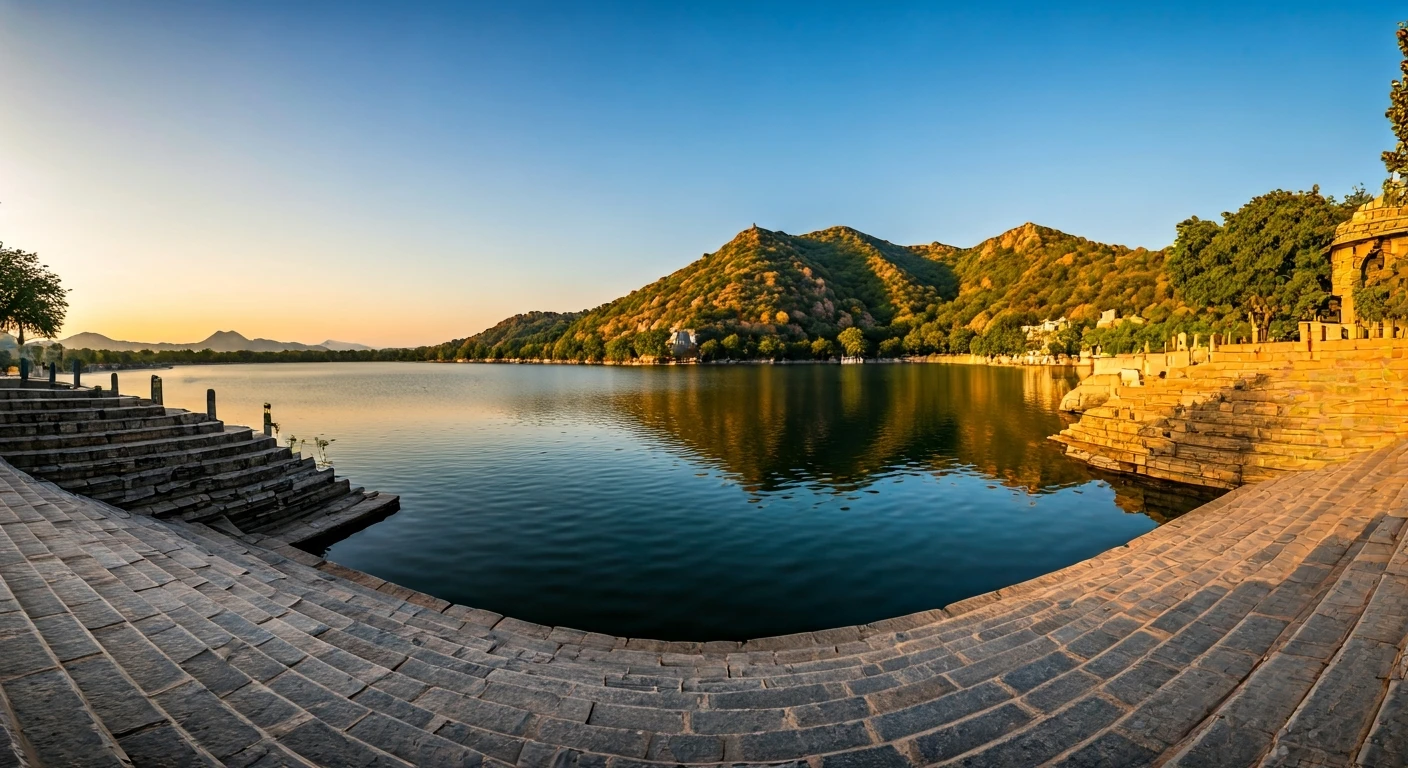
The heart of Mount Abu's social life is Nakki Lake, a tranquil body of water steeped in local legend. According to one myth, the lake was dug by the gods using their fingernails (or “nakh”). Today, it’s a hub of activity. Colorful paddle boats and shikaras (small wooden boats reminiscent of those in Kashmir) drift across the water, offering a relaxing way to soak in the scenery. The path encircling the lake is perfect for a gentle stroll, especially in the late afternoon as the sun begins to set behind the hills. The main market, just a short walk away, buzzes with shops selling everything from Rajasthani textiles and jewelry to the soft-serve ice cream that is a strangely beloved local treat. The area comes alive in the evening, with families and couples enjoying the cool breeze and the festive atmosphere.
Panoramic Views from Guru Shikhar
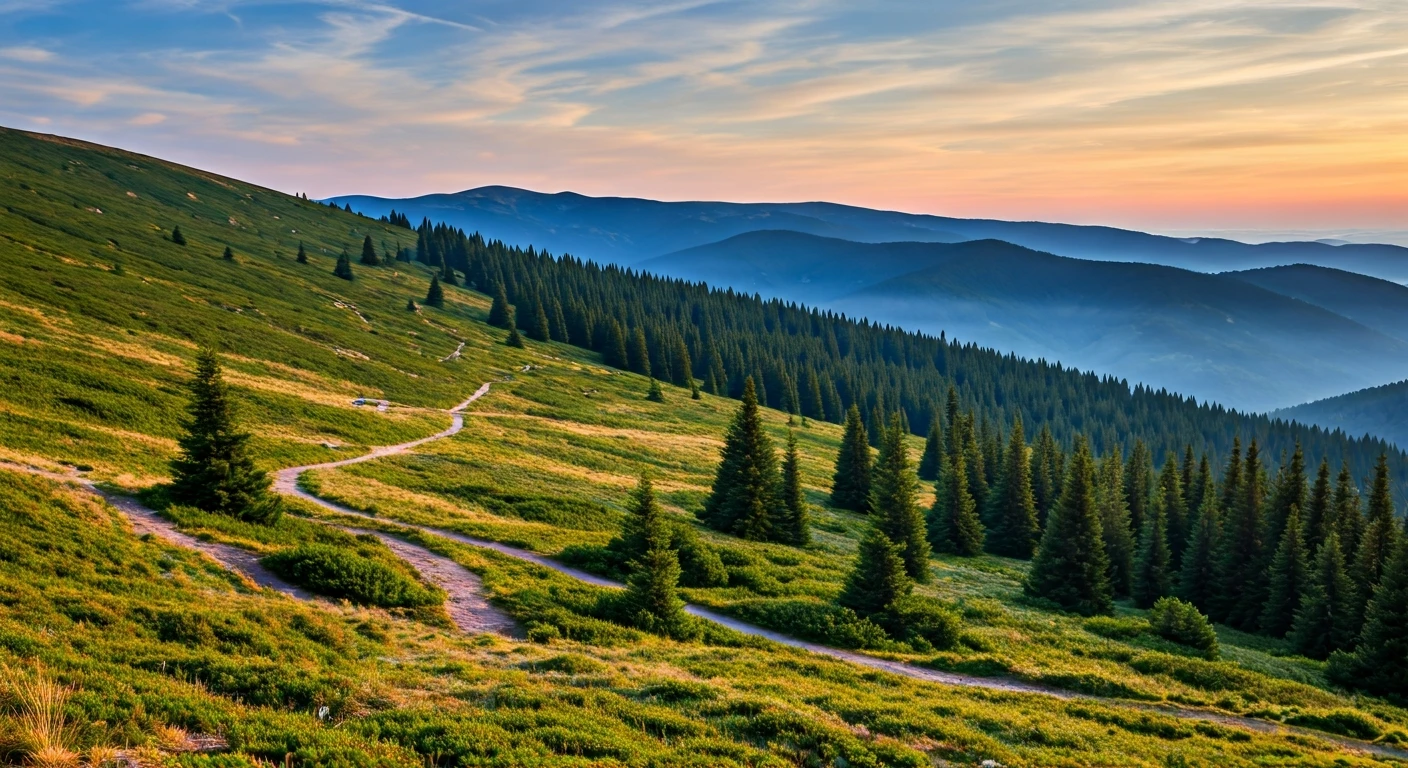
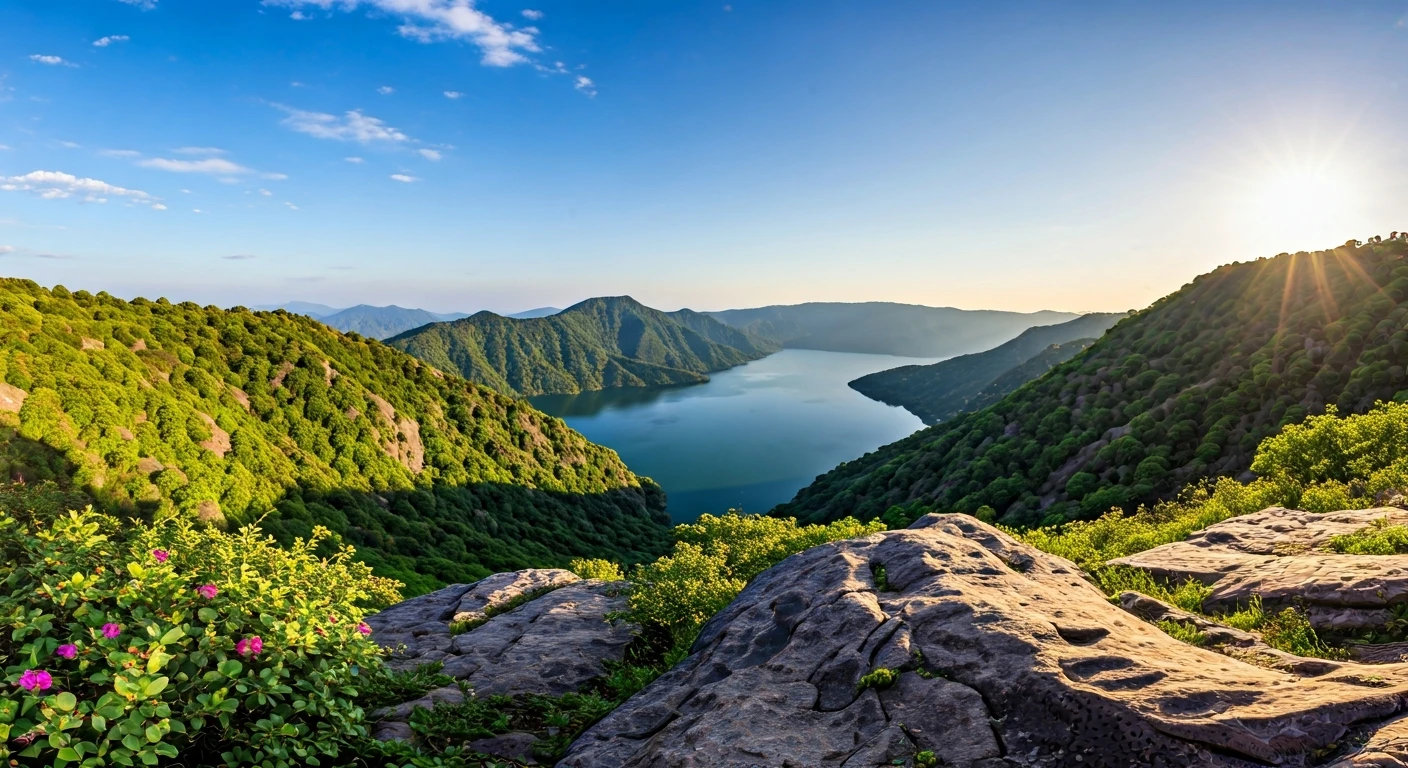
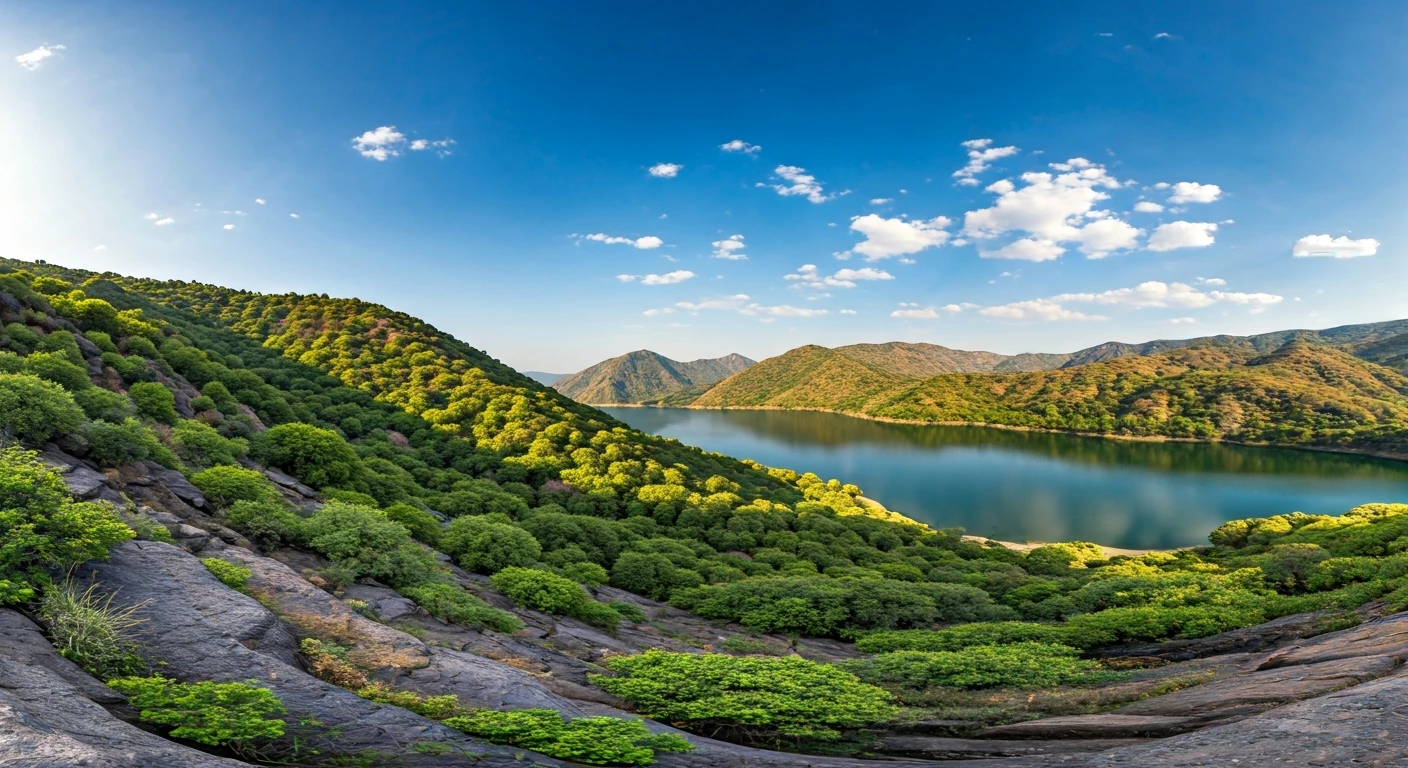
For the best views in the region, head to Guru Shikhar. At 5,650 feet, it’s the highest peak in the Aravalli Range, the ancient mountain chain that Mount Abu belongs to. The name translates to “Peak of the Guru,” and it’s a significant pilgrimage site, home to a temple dedicated to Dattatreya, an incarnation of the Hindu deity Vishnu. Reaching the top requires climbing a few hundred steps, but the reward is a breathtaking 360-degree panorama of the surrounding landscape. On a clear day, you can see the vast plains of Rajasthan stretching out to the horizon, putting into perspective just how unique this mountain perch really is. It’s the perfect spot to appreciate the scale and beauty of this green island in a sea of desert.