

The Ultimate Low-Effort Luxury
Imagine a treat that combines the tropical sweetness of a ripe mango with the dense, fudgy texture of a high-end confection. That’s Mango Barfi. A staple in the world of Indian sweets, or ‘mithai,’ barfi is a milk-based sweet that’s often compared to
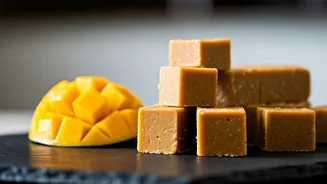
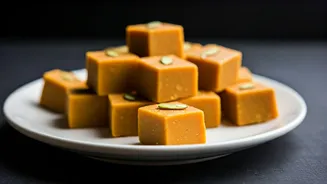
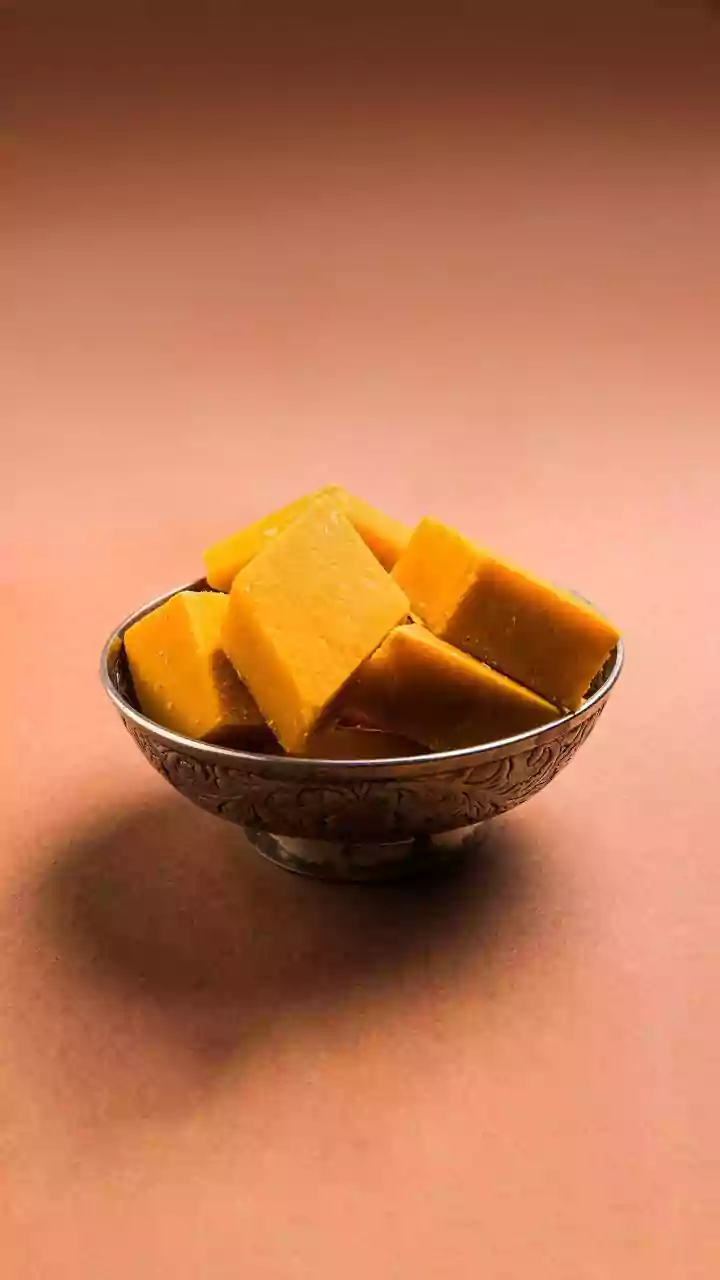
fudge but is a category all its own. While traditional barfi can be an elaborate affair, the mango version is its laid-back, sun-drenched cousin. It delivers a stunning visual appeal with its vibrant orange-yellow hue and a rich, creamy flavor that feels utterly decadent. But here's the secret: it’s one of the easiest, most forgiving sweets you can make at home. It requires no oven, no special baking skills, and no long list of obscure ingredients. It's the kind of dessert that looks and tastes like you spent hours in the kitchen, when in reality, you were probably done in under 30 minutes.
What Makes It So Effortless?
The “lazy” magic of Mango Barfi lies in its simplicity. First, the ingredient list is remarkably short. At its core, you only need three main things: mango pulp, some form of dairy, and a sweetener. Many modern, streamlined recipes call for canned mango pulp (a huge time-saver), sweetened condensed milk (which provides both dairy and sugar in one go), and milk powder (for that signature dense, fudgy texture). That’s it. No flour, no eggs, no leavening agents. Secondly, the process is incredibly straightforward. It's a one-pan, stovetop affair. You’re not creaming butter and sugar, folding in dry ingredients, or worrying about whether your cake will rise. You simply combine the ingredients in a non-stick pan and cook, stirring, until the mixture thickens and pulls away from the sides. It’s a beautifully tactile and intuitive process that’s hard to mess up. Pour it into a greased dish, let it cool, and you’re done.
The Simple Mango Barfi Blueprint
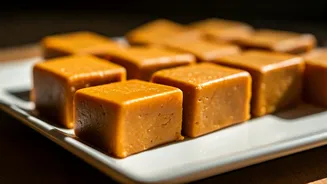
Ready to try it? Here’s a basic framework that proves just how simple it is. You'll need a good non-stick pan. First, gather your core ingredients: about 1 cup of sweetened mango pulp (Kesar or Alphonso varieties are fantastic and available canned in most international aisles), 1 can (14 oz) of sweetened condensed milk, and about 1.5 to 2 cups of full-fat milk powder. A tablespoon of ghee or unsalted butter will add richness and prevent sticking, but it’s not a dealbreaker. Start by gently warming the ghee or butter in your pan over low-medium heat. Pour in the mango pulp and condensed milk, stirring to combine. Cook for a few minutes until it’s warm and bubbly. Now, the key step: gradually add the milk powder, about half a cup at a time, stirring constantly with a spatula or wooden spoon to avoid lumps. Keep stirring continuously. The mixture will start to thicken significantly. Continue cooking and stirring for about 10-15 minutes. You'll know it's ready when the mixture forms a single mass that pulls away cleanly from the sides and bottom of the pan. This is the only part that requires your attention, and it's your visual cue that it will set properly. Immediately pour the thick mixture into a greased 8x8 inch pan or a dish lined with parchment paper. Use your spatula to spread it evenly. Let it cool at room temperature for a few hours, or pop it in the fridge for about an hour to speed things up. Once firm, cut into squares or diamonds and serve.
Ways to Customize Your Barfi
While the basic recipe is phenomenal on its own, Mango Barfi is a wonderful canvas for a little extra flair. Before you pour the mixture into the pan, consider stirring in a pinch of ground cardamom for a warm, fragrant spice that pairs beautifully with mango. A few threads of saffron, soaked in a tablespoon of warm milk, can also be added for an even more luxurious flavor and color. Once you’ve spread the barfi in its setting dish, you can press toppings into the surface. Chopped pistachios are the classic choice, providing a lovely color contrast and a nutty crunch. Slivered almonds, a sprinkle of edible rose petals, or even a dusting of desiccated coconut also work wonderfully. These small additions take seconds but elevate the finished product from a simple sweet to a truly impressive dessert.