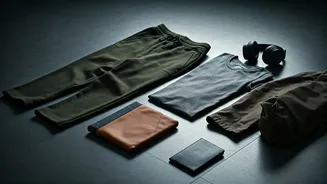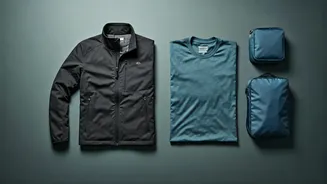




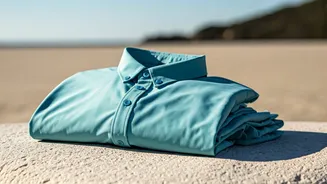
1. Performance Fabrics Are Everywhere
The single biggest driver of the new travel wardrobe is the migration of technical fabrics from the world of extreme sports into everyday clothing. For years, the best moisture-wicking, odor-resistant, and temperature-regulating materials were reserved
for hardcore hikers and athletes. Now, they're the foundation of your favorite travel pants and shirts. Merino wool is the undisputed champion. Unlike its scratchy predecessor, modern merino is ultra-fine, soft, and miraculously resists odors, meaning you can wear a shirt for days without needing a wash. Brands are also blending it with synthetics like Tencel or nylon to improve durability and drape. The result? T-shirts, sweaters, and even blazers that keep you comfortable in changing climates, pack down small, and stay fresh for the long haul.
2. Versatility Is the New Virtue
The modern traveler wants clothes that do more. A single item that can be worn on a morning walk, to a business meeting, and out to a nice dinner is the holy grail. Designers have responded with brilliant, multi-purpose pieces. Think pants made from a technical stretch fabric that have the cut of a classic chino, making them equally appropriate for a light hike or a museum visit. Or consider a blazer made from a wrinkle-resistant, water-repellent material that looks sharp but feels as comfortable as a sweatshirt. This design philosophy isn't just about saving space in your suitcase; it's about reducing decision fatigue. When your wardrobe is full of versatile items, packing becomes a simple exercise in mix-and-match, and you're prepared for whatever the trip throws at you without ever feeling over- or under-dressed.
3. The 'One-Bag' Movement Drives Innovation
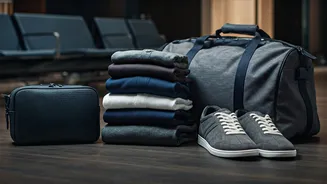
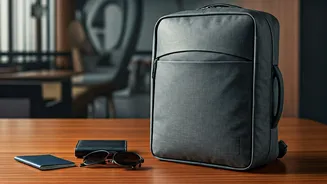
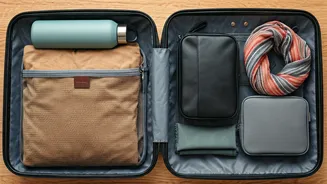
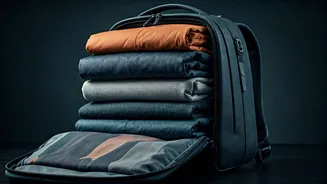
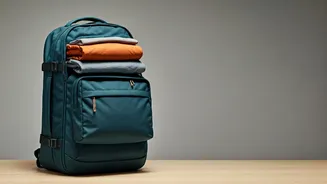
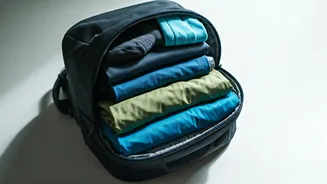
The rise of carry-on-only travel has forced a radical rethinking of what we pack. The 'one-bag' movement, a travel philosophy centered on minimalism and mobility, has created a massive demand for clothing that is lightweight, compressible, and highly efficient. This has accelerated the adoption of the very trends we're discussing. Brands now explicitly market their clothes to this audience, highlighting packability and low weight. They know their customers are scrutinizing every ounce. This pressure has led to smarter construction, like using lighter-weight buttons and zippers, and designing clothes that can be easily rolled or folded into packing cubes without taking up precious real estate in a 40-liter backpack.
4. Wrinkle-Resistance Is Now Standard
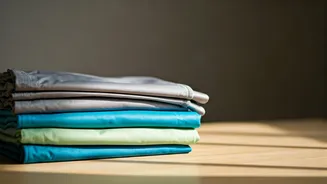
There is nothing more deflating than pulling a favorite shirt from your suitcase only to find it's a wrinkled mess. For decades, the only solution was to seek out a hotel iron or embrace a crumpled look. Today, wrinkle-resistance is a key selling point and a non-negotiable feature for many travelers. This is achieved through two main avenues: fabric choice and weave. Materials like nylon and polyester have natural wrinkle resistance, and when woven into specific structures (like a dobby or twill weave), they can emerge from a compressed packing cube looking remarkably fresh. Even natural fibers like cotton and wool are being treated or blended to resist creasing. This small but crucial detail means you can go straight from the airport to your first activity, confident and looking sharp.
5. Style Finally Caught Up to Function
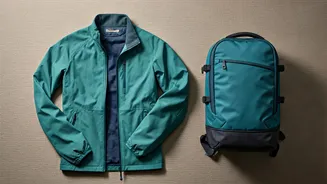
Perhaps the most welcome change is that travel clothes no longer *look* like travel clothes. The zip-off pants, convertible vests, and safari-style shirts of yesteryear screamed 'tourist.' The new guard of travel apparel is intentionally discreet. The goal is to blend in, not stand out. Companies like Western Rise, Lululemon, and Outlier have built their brands on this principle, offering pants, shirts, and jackets with clean lines, modern fits, and neutral color palettes. The technical features are still there—the stretch, the water resistance, the hidden pockets—but they're seamlessly integrated into a design that you'd be happy to wear back home. This aesthetic sophistication is the final piece of the puzzle, completing the transformation of the travel wardrobe from a functional necessity to a source of genuine style.