




Goodbye, 'Instagram Face'
For years, the dominant aesthetic, perfected by millennial influencers on YouTube and Instagram, was all about transformation. It was a full-coverage, sculpted look that prized artistry and perfection. Think of the cut-crease eyeshadow, the hyper-defined
“Instagram brow,” and the layers of foundation and concealer designed to create a flawless, poreless canvas. It was makeup as armor and artistry, a testament to skill and patience. But for the generation that grew up with it, this high-effort glamour started to feel less like self-expression and more like a mask.
Hello, 'Skin-First' Philosophy
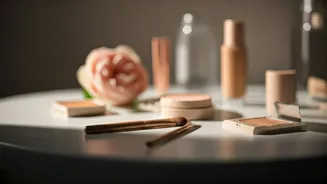
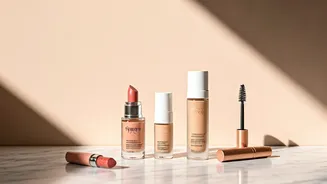
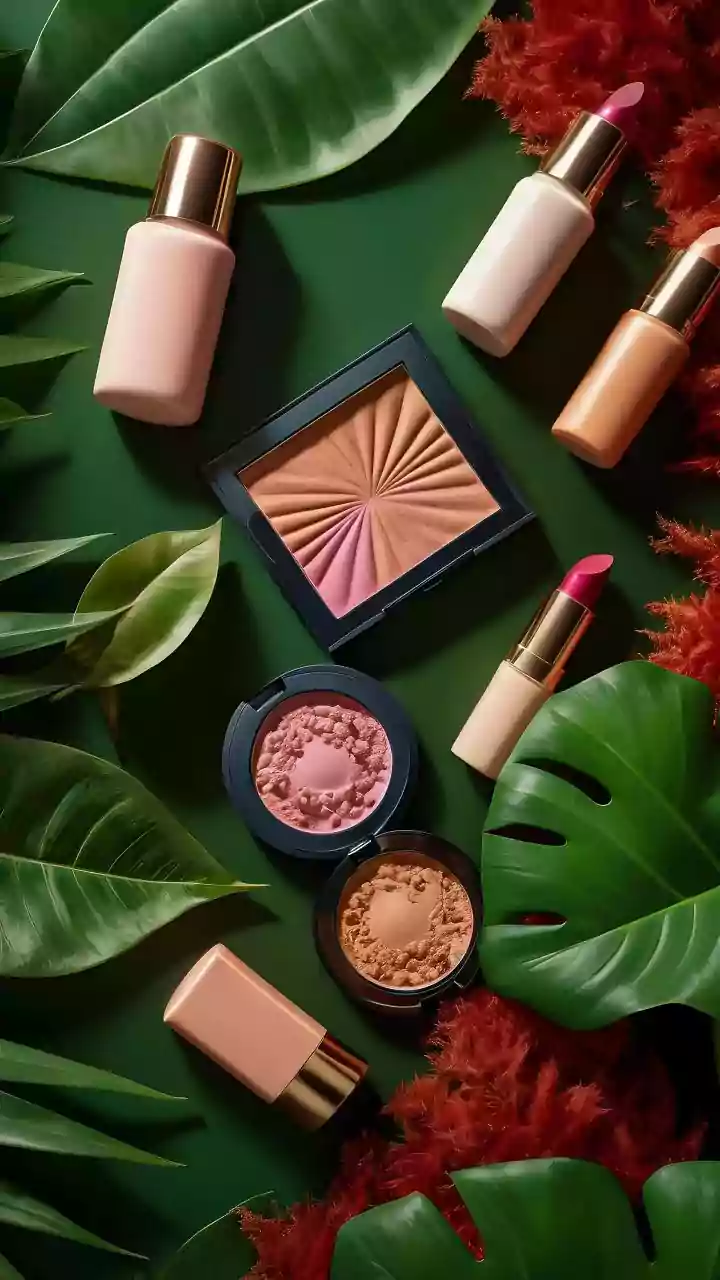
The new guard, led by Gen Z, has flipped the script. The guiding principle is no longer covering up, but enhancing what’s already there. Welcome to the era of “skinimalism” and the “clean girl aesthetic.” The goal is dewy, healthy, glowing skin that looks like skin. Freckles aren't covered; they’re celebrated. A stray blemish isn't a catastrophe; it’s just life. The new makeup bag heroes aren’t heavy-duty foundations but lightweight skin tints, creamy concealers used only for spot treatment, multi-use blush sticks, and hydrating lip oils. It’s a philosophy that sees skincare and makeup as a single, continuous routine. Why spend 30 minutes creating a flawless base when you can spend five minutes enhancing the healthy skin you’ve already cultivated?
The TikTok Effect: Speed and Authenticity
This aesthetic shift is inextricably linked to a platform shift. While millennials learned makeup from 20-minute, highly produced YouTube tutorials, Gen Z gets its inspiration from 30-second TikToks. The new format rewards immediacy and relatability over polished perfection. A viral trend isn't a complex, 15-step eyeshadow look; it’s a quick hack using a single product, like the Clinique Black Honey lipstick that suddenly sold out everywhere, or a specific way to apply blush for a “sunburnt” look. This format inherently favors a more natural style. You can’t demonstrate a full-coverage, multi-layer routine in the time it takes a trending sound to play. Instead, you see real people in their real bedrooms, quickly dabbing on a product and showing an instant, low-effort result. This raw, unfiltered feel is the antithesis of the curated perfection that defined the Instagram era.
Shopping with a Conscience
The change isn’t just about what they’re putting on their faces; it’s about who they’re buying it from. The legacy brands that dominated millennials’ makeup bags have been challenged by a new wave of mission-driven companies. Gen Z shoppers are famously values-oriented. They’re drawn to brands with authentic founder stories, like Selena Gomez’s Rare Beauty, which champions mental health awareness and creates airy, easy-to-use formulas. They demand ingredient transparency and ethical sourcing, fueling the rise of “clean” beauty brands like Kosas and Ilia. A product’s viral potential is now tied as much to its ethos and aesthetic as its performance. It’s no longer enough for a product to just work well; it has to stand for something, too.