


The Allure of 'Cozy-Core'
Forget the frantic, sun-chasing itinerary. The new travel ideal for many isn't about baking on a crowded beach; it's about embracing atmosphere. This is the world of 'cozy-core' travel, a trend that finds joy in moody landscapes, quiet moments, and the Danish
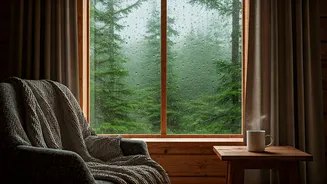
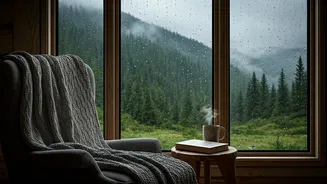
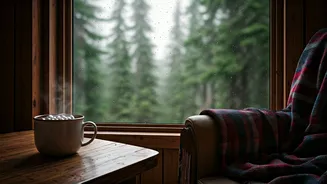
concept of 'hygge'—that feeling of contentment and well-being from enjoying the simple things in life. A rainy weekend isn't a ruined one; it's an opportunity. It’s permission to slow down, read a book by a window streaked with rain, or simmer a pot of soup in a kitchen that isn't your own. While a hotel can feel like a waiting room during a downpour, a homestay becomes a destination in itself. This shift redefines a successful trip from 'what we did' to 'how we felt'. The goal is no longer to conquer a destination, but to inhabit a feeling of deep comfort and retreat.
Your Private Basecamp for Bad Weather
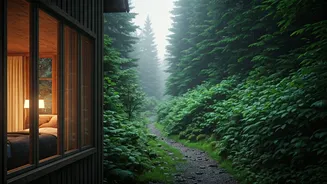
This is where the homestay—the Airbnb cabin, the Vrbo cottage, the remote rental—truly shines. When the skies open up, a hotel room can quickly feel confining. You’re often limited to a bed, a desk, and a television, forced into the lobby or bar for any sense of space. A homestay, by contrast, offers a private haven. You have a living room with a fireplace, a full kitchen for making hot cocoa or baking cookies, and separate spaces for relaxing. It’s your basecamp, fully equipped for the atmospheric siege. The rental isn’t just a place to sleep; it's an integral part of the experience. You can return from a damp hike, shed your wet gear in a mudroom, and immediately feel at home. This level of comfort and autonomy is something a hotel, no matter how luxurious, struggles to replicate. It transforms a rainy day from a problem to be solved into an experience to be savored.
The Trail Reimagined by Rain
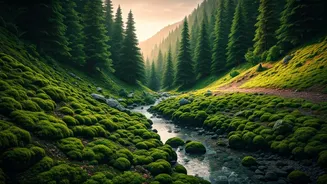
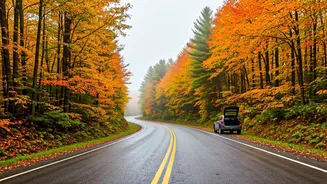
And what about those 'rainy trails'? For those willing to don a good waterproof jacket, they offer a completely different kind of magic. A sun-drenched trail can be beautiful, but a rain-slicked one is alive with sensory details. The colors become saturated and intense: the green of the moss glows, and the dark bark of the trees glistens. The air is thick with the scent of petrichor—that unmistakable smell of rain on dry earth. The soundtrack of your hike changes from the chatter of other hikers to the rhythmic patter of drops on your hood and the gentle gurgle of newly formed streams. Familiar trails are transformed into something new and mysterious. The fair-weather crowds are gone, leaving you with a profound sense of solitude and a more intimate connection with the landscape. It’s a meditative experience that rewards the prepared.
Smarter Travel, Not Worse Weather
Beyond the romantic appeal, there's a practical edge. Destinations famous for their rain, like the Pacific Northwest or the misty mountains of New England, often see their peak tourist season aligned with the driest, sunniest months. By leaning into the wetter shoulder seasons, you unlock a smarter way to travel. The crowds thin out dramatically, both on the trails and in the small towns that serve them. That popular brewery or acclaimed restaurant is suddenly more accessible. More importantly, the prices for those coveted homestays often dip. You get a better deal, a quieter town, and a more authentic experience of a place as the locals know it—moody weather and all. It’s a strategic choice to trade the guarantee of sunshine for the likelihood of solitude, savings, and a cozy fireplace.