






Why This 'Discipline' Matters
Calling it “discipline” isn't just for dramatic effect. The Southwest monsoon season, typically arriving in July, unleashes a torrent of natural forces: intense humidity, high winds, and deluges of rain. For unprepared flowering plants, this sudden shift
can be disastrous. Rapid, unchecked growth spurred by the moisture often results in weak, leggy stems that are easily snapped by wind. Dense, overgrown foliage traps humidity, creating a perfect breeding ground for fungal diseases like powdery mildew. Pre-monsoon prep isn’t about punishment; it’s about building resilience. By strategically pruning and preparing your garden, you encourage a stronger structure, better airflow, and a root system ready to make the most of the seasonal rains without being overwhelmed by them.
The Strategic Pre-Monsoon Prune
This isn't the time for a hard, rejuvenating haircut that forces a ton of new growth. Instead, think of it as a tactical shaping. Your primary goals are to remove weak points and improve structure. Start by cutting out any dead, damaged, or crossing branches, which are the first to fail in a storm. Then, selectively thin the interior of dense shrubs like lantana, Texas sage, and bougainvillea. This allows wind to pass through the plant rather than pushing against it like a solid wall. For plants that have become overly leggy, trim back the tips to encourage bushier, sturdier growth closer to the plant’s core. The idea is to create a strong framework that can support the flush of new leaves and flowers the monsoon will bring.
Timing and Temperature Are Key
The phrase “pre-monsoon” points to a specific window: late May through June. This is the sweet spot after the harshest spring winds have died down but before the daily humidity and storm chances ramp up. Pruning during extreme heat can stress plants, so aim to get this work done in the cooler morning hours. Waiting too long is the most common mistake. Once the monsoon pattern is established, the combination of rain and open pruning wounds can invite disease. Acting now, while the weather is consistently hot and dry, allows the plant’s cuts to heal quickly and cleanly, essentially cauterizing them before the moisture arrives. Check local forecasts, but don't wait for the first thunderhead to appear on the horizon—by then, your window of opportunity has closed.
Feed for the Future Feast
The monsoon is a feast for your plants, and a little fertilizer now is like setting the table. The intense growth period ahead will require a lot of energy. Applying a balanced, slow-release granular fertilizer around the base of your flowering perennials and shrubs in early June gives it time to start breaking down. When the rains come, the nutrients will be readily available for the roots to absorb. Avoid the temptation to use high-nitrogen, quick-release fertilizers. These can promote a surge of weak, floppy foliage that is susceptible to pests and breakage. Stick to products with a balanced N-P-K ratio (like 10-10-10 or similar) or organic options like compost and well-rotted manure, which improve soil structure while providing a gentle nutrient boost.
Clear the Deck: Weeds and Mulch
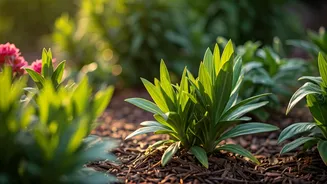
Weeds are opportunistic. The same rain that benefits your prized flowers will cause unwanted intruders to explode into a jungle. A thorough weeding session now is one of the most effective pre-monsoon tasks you can undertake. Get them out by the root while the soil is dry and easier to work. Once the ground is clear, apply a fresh 2- to 3-inch layer of organic mulch, like wood chips or shredded bark. This does triple duty: it suppresses new weed growth, helps the soil retain precious moisture from both your hose and the sky, and keeps the root zone cooler during the hottest days of June. Don't pile mulch directly against the stems of your plants, as this can encourage rot; leave a small, clear ring around the base.