


1. Lean into Warm Wood
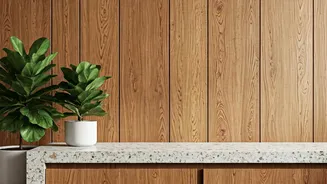
Wood is perhaps the most fundamental natural material in design. Its warmth, varied grain, and tactile quality have an inherently calming effect. Studies on biophilic design—the practice of connecting people and nature within our built environments—show
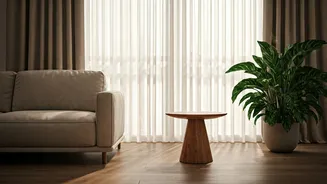
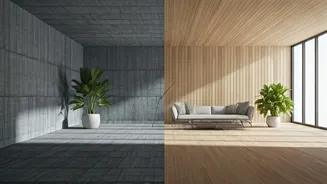
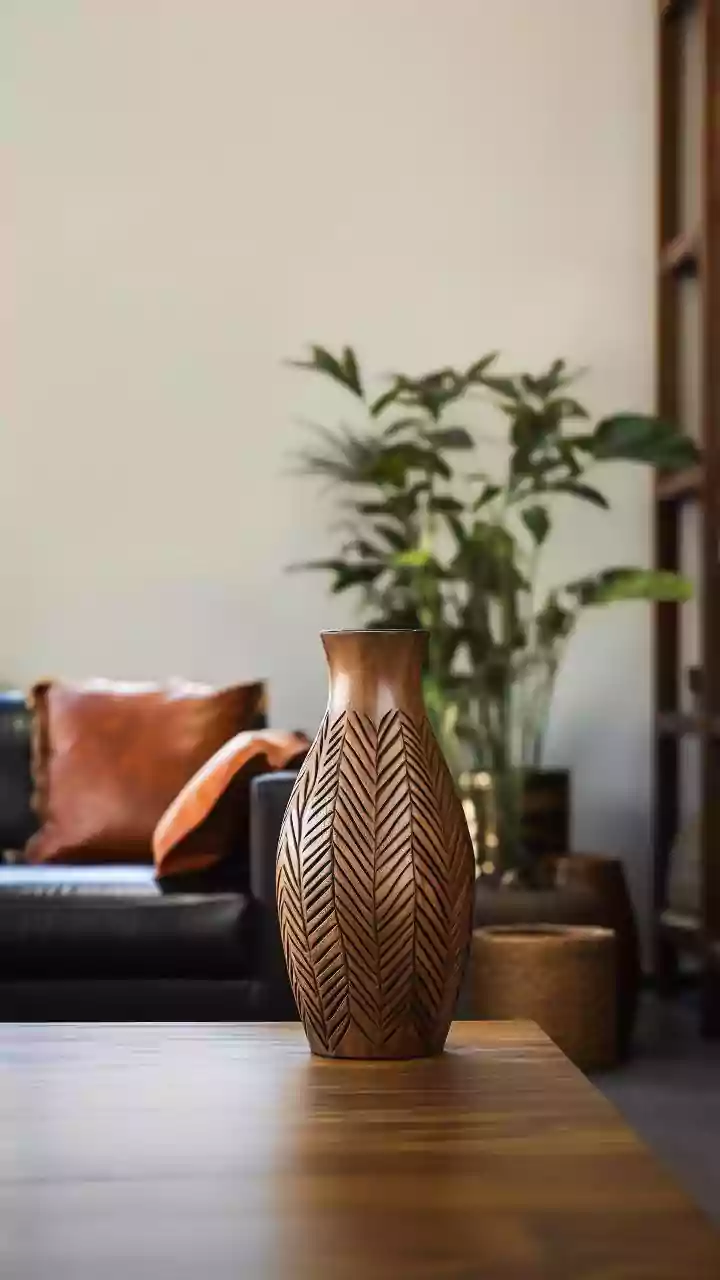
that the visual presence of wood can lower blood pressure and reduce stress. You don't need to build a log cabin to reap the benefits. Start small with a live-edge coffee table, a set of acacia wood salad bowls on an open shelf, or even simple birch logs stacked in a non-working fireplace. The key is to choose pieces where the material's character, be it a knot or a unique grain pattern, is celebrated rather than hidden under thick paint or varnish.
2. Ground the Space with Stone
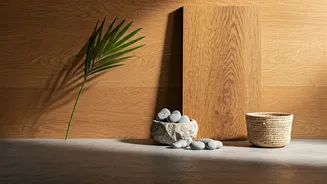
Where wood offers warmth, stone provides a sense of permanence, stability, and connection to the earth. Materials like slate, travertine, marble, and soapstone introduce a cool, textural counterpoint to softer finishes. A slate floor in an entryway, a travertine side table, or a marble backsplash in the kitchen can serve as an anchor for the entire room. These materials tell a geological story millions of years in the making, and that sense of history brings a quiet gravitas to a space. Even small accents, like a stone vase, a set of granite coasters, or a rock collection from a favorite beach displayed in a glass jar, can tap into this grounding energy.
3. Weave in Natural Textiles
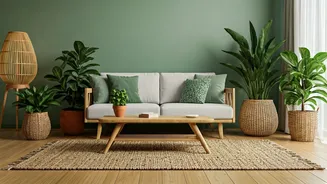
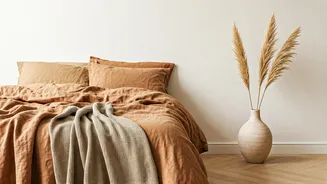
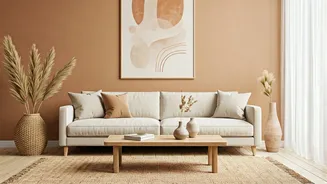
Softness and texture are crucial for making a space feel inviting and comfortable. Swapping synthetic fabrics for natural fibers like wool, cotton, linen, and jute is an easy and effective way to enhance a room's human touch. Think of a chunky wool throw draped over a sofa, a set of airy linen curtains that diffuse light beautifully, or a woven jute rug that feels great underfoot. These materials are imperfect in the best way; they have subtle variations in color and weave that make them feel alive and authentic, unlike the uniform perfection of polyester or nylon. They engage our sense of touch, inviting us to slow down and get comfortable.
4. Bring the Outdoors in with Plants
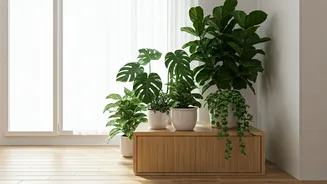
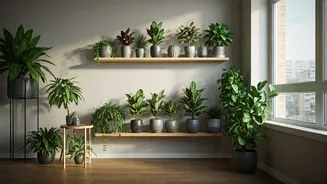
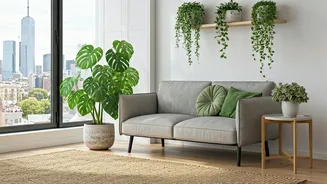
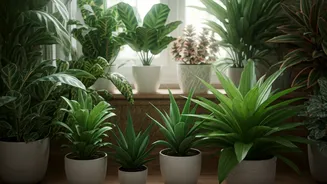
The most literal way to incorporate nature is with living plants. Beyond their air-purifying qualities, houseplants introduce dynamic life and organic shapes into otherwise static rooms. Their presence is proven to boost mood and reduce feelings of anxiety. A large fiddle-leaf fig can become a room's sculptural focal point, while a collection of small succulents on a windowsill adds a touch of low-maintenance greenery. Even a simple vase of fresh-cut branches or eucalyptus can instantly make a space feel more vibrant and connected to the rhythms of the outdoors. Tending to plants is also a gentle, grounding ritual that reinforces our connection to the natural world.
5. Maximize Natural Light
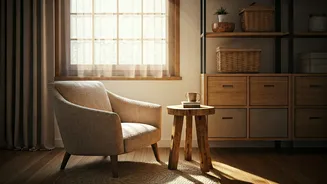
Light is an invisible but powerful natural element. Maximizing the natural light in your home can dramatically alter its feel, making it seem more open, airy, and alive. Our bodies are tuned to the daily cycle of the sun, and exposure to natural light helps regulate our circadian rhythms, improving both energy and sleep. Arrange furniture to avoid blocking windows. Use mirrors strategically to bounce light into darker corners. Keep window treatments minimal—sheer linen curtains can provide privacy while still letting soft, diffused light filter through. The way sunlight moves across a room throughout the day adds a dynamic, ever-changing quality that no artificial lighting can replicate.