
The Tyranny of the Tidy Showroom
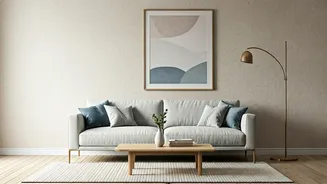
Scroll through any social media feed, and you’ll be inundated with images of impossibly perfect homes. Cream-colored boucle sofas sit on spotless floors, kitchen counters are devoid of clutter, and every object seems chosen by a committee on minimalist
aesthetics. While beautiful to look at, these spaces often feel more like showrooms than homes. They lack a crucial ingredient: a story. A home isn’t just a collection of well-arranged furniture; it’s a living archive of the people inside it. The pressure to achieve a magazine-spread look can inadvertently strip our homes of their personality, turning them into sterile environments that reflect trends more than they reflect us. The alternative is a space that remembers—a home that wears its history with grace, where objects aren't just decorative but are imbued with meaning.
The Psychology of a Personal Space
There’s a scientific reason why a home filled with personal artifacts feels better. Psychologists call it “place attachment”—the emotional bond we form with our physical surroundings. This bond is strengthened when our environment reflects our identity, experiences, and relationships. A framed photo from a family vacation, a stack of well-read books on the nightstand, or a child’s slightly crooked drawing stuck to the fridge all act as powerful psychological anchors. These objects are more than just things; they are tangible triggers for memory and emotion. They ground us in our own narrative. When you glance at a chipped mug you bought on a trip abroad, you’re not just seeing a flawed piece of ceramic; you’re momentarily transported back to that Parisian café or that bustling market in Mexico City. This constant, low-level engagement with our own past creates a deep sense of comfort, security, and belonging that no perfectly curated, impersonal space can ever replicate.
How to Curate Your Own History
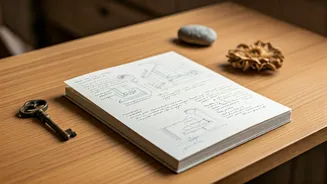
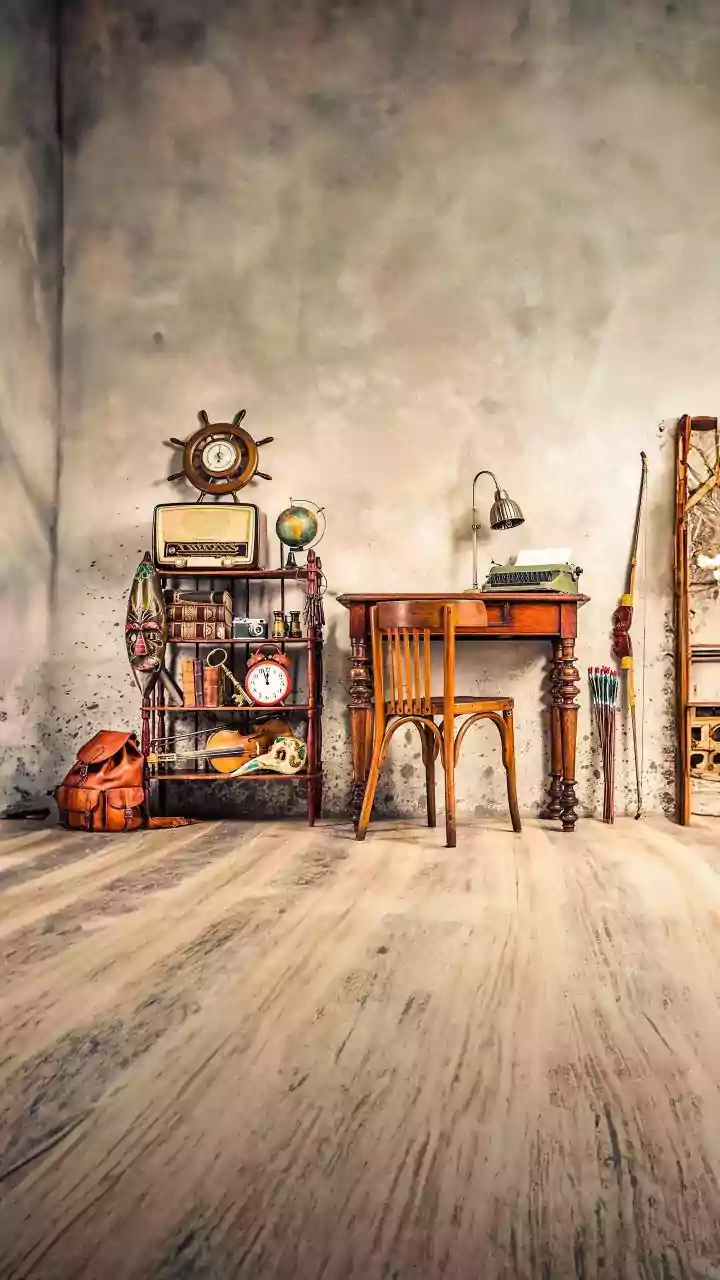
Creating a home that remembers isn’t about going on a vintage shopping spree or artificially aging your furniture. It’s about a deliberate, gentle process of curation that honors your own life. It starts with giving yourself permission to display the things that matter, regardless of whether they “match” the decor. That slightly dated armchair inherited from your grandmother? It remembers Sunday afternoons spent at her house. The collection of mismatched magnets on the refrigerator? They remember trips, inside jokes, and thoughtful gifts. The worn-out rug in the hallway? It remembers the footfalls of family, friends, and pets. Don’t hide these things away in a box in the attic. Give them a place of honor. Let your travel souvenirs, concert ticket stubs, and heirlooms become part of the visual landscape of your home. They are the punctuation marks in the story of your life.
Embracing the Beauty of Imperfection
A home that remembers is rarely a perfect one. It has scuffs on the floorboards, a slight stain on the upholstery, and books with cracked spines. This idea aligns with the Japanese philosophy of wabi-sabi, which finds beauty in transience and imperfection. A perfectly preserved object is static; an object that shows signs of use and age has a soul. This isn’t an excuse for messiness, but rather a shift in perspective. It’s about seeing the nick in the wooden table not as a flaw to be fixed, but as a memory of a lively dinner party. It’s about appreciating the faded patch on the sofa where the sun hits it every afternoon. These imperfections are evidence of a life being lived. They are what separate a home from a house, transforming it from a mere structure into a sanctuary of personal history.