



1. Check Your Tire Tread and Pressure
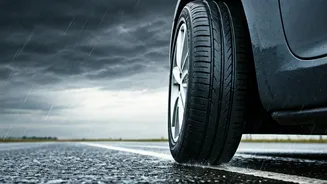
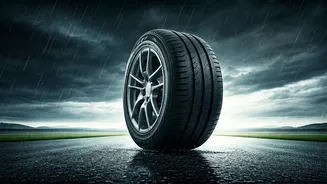
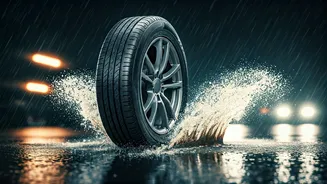
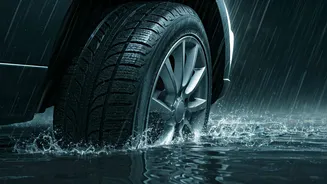
Your tires are the only part of your car that touches the road, and in a downpour, their condition is paramount. Worn tires can't effectively channel water away, leading to hydroplaning—where your vehicle loses traction and skids uncontrollably across
a thin layer of water. To check your tread, use the classic penny test: insert a penny into the tread groove with Lincoln's head upside down. If you can see the top of his head, your tires are worn below the recommended 2/32 of an inch and it’s time for a new set. Also, check your tire pressure. Underinflated tires can worsen hydroplaning risk and affect braking. Your car's recommended pressure is listed on a sticker inside the driver's side doorjamb, not on the tire itself.
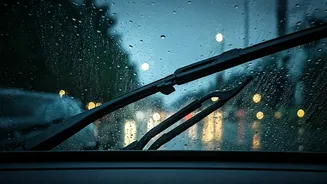
2. Test Your Windshield Wipers
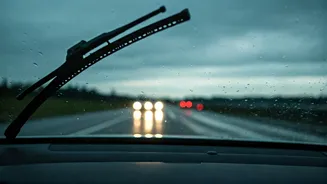
Visibility drops to near zero in a monsoon storm. If your wipers are old, cracked, or brittle, they won't clear your windshield effectively; they'll just smear the water, making a bad situation worse. Lift the wiper arms and run your finger along the rubber blade. If it feels rigid or has nicks and tears, replace the blades. It’s an inexpensive and easy fix you can often do yourself. While you're at it, top off your windshield washer fluid. The spray can help clear away the mud and debris that often gets kicked up onto your glass during a storm.
3. Inspect All Exterior Lights
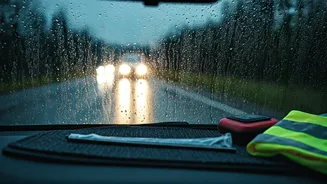
During a heavy rainstorm, your lights aren't just for you to see—they're for others to see you. With visibility severely limited by rain and spray, your headlights and taillights are critical safety beacons. Have a friend or family member help you perform a quick check. Turn on your headlights (both low and high beams), taillights, brake lights, and all four turn signals. Walk around the vehicle to ensure every bulb is working. A burned-out bulb is a simple fix that dramatically increases your visibility and safety. Hazy or yellowed headlight lenses can also reduce light output, so consider using a restoration kit to clean them.
4. Evaluate Your Brakes
Wet roads significantly increase your car's stopping distance. It's crucial that your braking system is in top condition to compensate. Pay attention to how your brakes feel and sound during normal driving. Do they squeal, grind, or feel spongy when you press the pedal? Does the car pull to one side when you brake? These are all warning signs that your brake pads, rotors, or fluid may need service. While a full brake inspection is best left to a professional, you can perform a visual check of your brake fluid reservoir to ensure it's at the proper level. If you have any doubts, get them inspected by a qualified mechanic before the stormy season hits.
5. Test Your Defroster and A/C
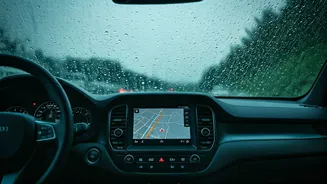
Monsoon conditions create a perfect storm for foggy windows. The combination of cool rain on the outside and warm, humid air on the inside can fog up your windshield in seconds, completely obscuring your view. Your car's air conditioning system is your best weapon against this. It works as a dehumidifier, pulling moisture from the cabin air. Test both your defroster and your A/C to ensure they are blowing cold, dry air. If your A/C is weak or blowing warm, it may need a recharge or service. A functioning climate control system is not just for comfort; it’s a critical piece of safety equipment in humid, rainy weather.
6. Stock Your Emergency Kit
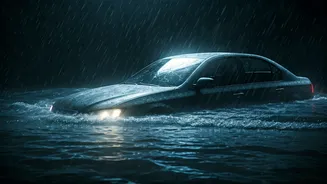
Even with a well-prepared car, things can go wrong. Flash floods can close roads, or you might get a flat tire in a terrible spot. A basic roadside emergency kit is essential. Your kit should include jumper cables, a flashlight with extra batteries, a first-aid kit, a poncho or rain gear, non-perishable snacks, and bottled water. It’s also wise to have a portable phone charger or power bank. In areas prone to flash flooding, never attempt to drive through standing water. But if you do get stranded, having these supplies can make a long, wet wait much safer and more comfortable.