

An Overload for the Senses
The moment you step into the grounds of the Delhi International Mango Festival, or 'Aam Mahotsav,' the experience is overwhelming in the best way possible. The air is thick and sweet, a complex perfume woven from hundreds of distinct mango aromas—some
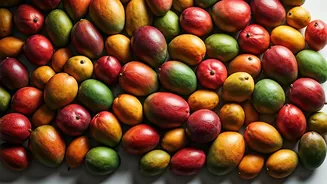
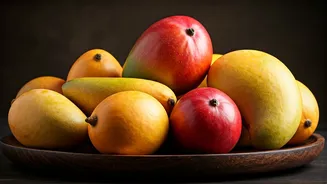
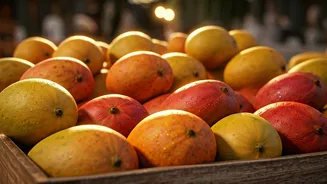
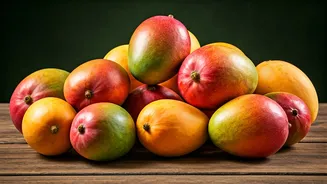
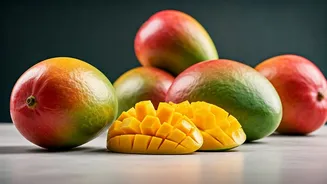
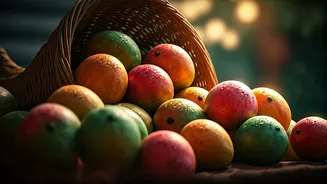
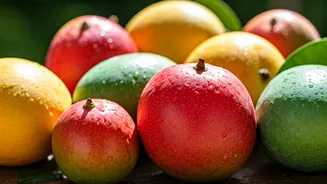
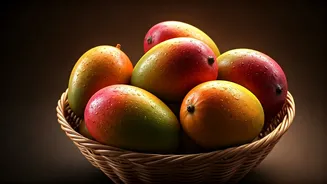
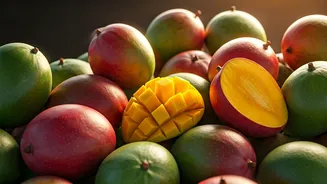
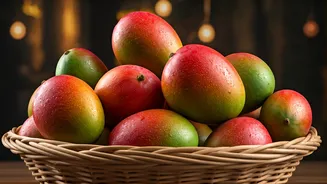
floral, some honeyed, some with a pine-like tang. Before you are tables piled high with pyramids of fruit in every conceivable shape and shade: tiny, round mangoes the size of a golf ball; long, slender varieties curved like a scimitar; and hefty, crimson-blushed behemoths that could feed a family. This isn't just a market; it's a museum, a competition, and a massive celebration dedicated to India’s undisputed “king of fruits.” For an American accustomed to the familiar Tommy Atkins or Ataulfo mango, seeing this sheer diversity is a revelation. It’s the reason the event becomes a viral sensation each year, with photos of the dazzling displays flooding social media feeds.
The Stars of the Show
The main draw, of course, is the tasting. And yes, free samples are a huge part of the culture here. Farmers and vendors from across India bring their proudest specimens, eager to educate visitors on the nuances of their regional specialties. You might start with a slice of Chausa, a legendary variety from North India known for its incredibly sweet, fiber-less pulp and intoxicating aroma. Then, you could move on to a Dussehri, a smaller, golden-yellow mango whose flavor is intensely rich and syrupy. Don’t miss the Langra, a greenish variety from Varanasi that surprises with a pleasant, slightly tart finish, a perfect counterpoint to the sweeter types. And then there's the Alphonso, the globally-renowned 'Hapus' from Maharashtra, prized for its creamy, non-fibrous texture and complex, almost saffron-like flavor profile. Each sample is a small lesson in terroir and history, a taste of a specific corner of India's vast agricultural landscape.
More Than Just Fruit
While the fresh fruit is the main event, the festival is a full-blown carnival of mango-centric creativity. You'll find stalls selling every conceivable mango product: tangy, sun-dried mango leather (aam papad), spicy mango pickles (achaar), refreshing mango lassi, and even savory dishes like mango-infused curries and biryanis. Artisans display intricate mango carvings, turning the fruit into delicate flowers and elaborate sculptures. For a bit of fun, the festival often hosts mango-eating competitions, where contestants race to devour pounds of the fruit as quickly as possible—a messy, hilarious spectacle that always draws a huge crowd. Cultural programs featuring folk music and dance add to the festive atmosphere, making it a true family-friendly day out and a cornerstone of Delhi's summer calendar.
A Taste of Royal History
The obsession with mangoes in India is nothing new; it’s a legacy stretching back centuries. Mughal emperors were famously fanatical about the fruit, establishing vast orchards and commissioning poets to sing their praises. The emperor Akbar is said to have planted an orchard of 100,000 mango trees in the 16th century. This festival is a modern extension of that deep cultural reverence. It’s not just about selling produce; it’s about preserving heritage. Many of the varieties on display are rare heirlooms, cultivated by farming families for generations. The event, typically held in early July at venues like Dilli Haat, serves as a crucial platform for these smaller growers to showcase their unique crops to a massive urban audience, ensuring these precious genetic lines don't disappear.