



The World Turns Emerald Green
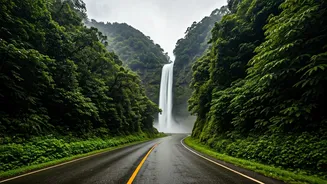
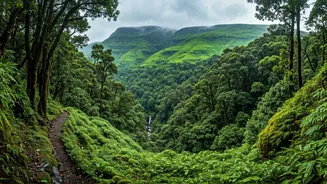
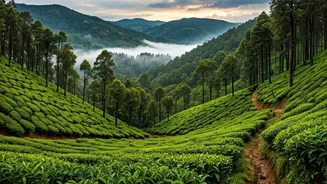
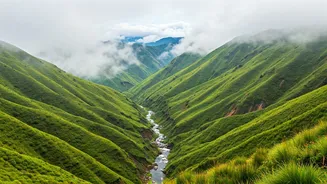
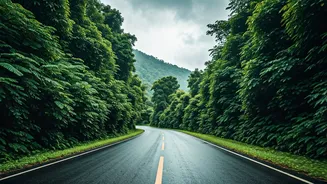
Imagine driving through a landscape so intensely green it feels otherworldly. The first monsoon showers arrive in June, washing away the dust of the dry season and awakening the earth. In states like Kerala and Karnataka, the Western Ghats mountain range
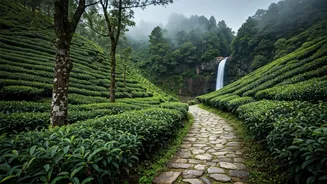
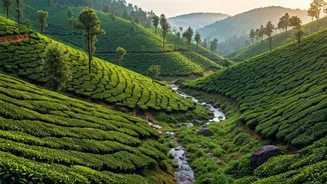
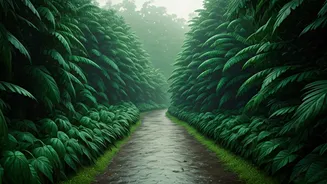
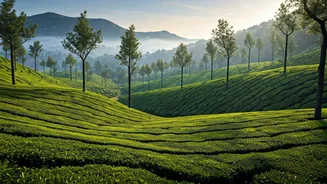
sheds its brownish hue for a coat of vibrant, impossible-to-capture emerald. Hillsides that were dormant suddenly burst with life, blanketed in fresh foliage. Driving winding roads, you’ll see every shade of green imaginable, from the deep, dark tones of wet tea plantations to the bright, electric green of newly sprouted paddy fields. It’s a visual feast, a living painting that changes with every mile.
Waterfalls Appear Out of Nowhere
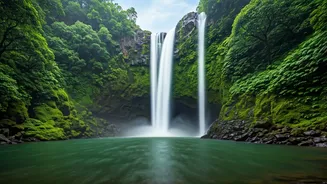
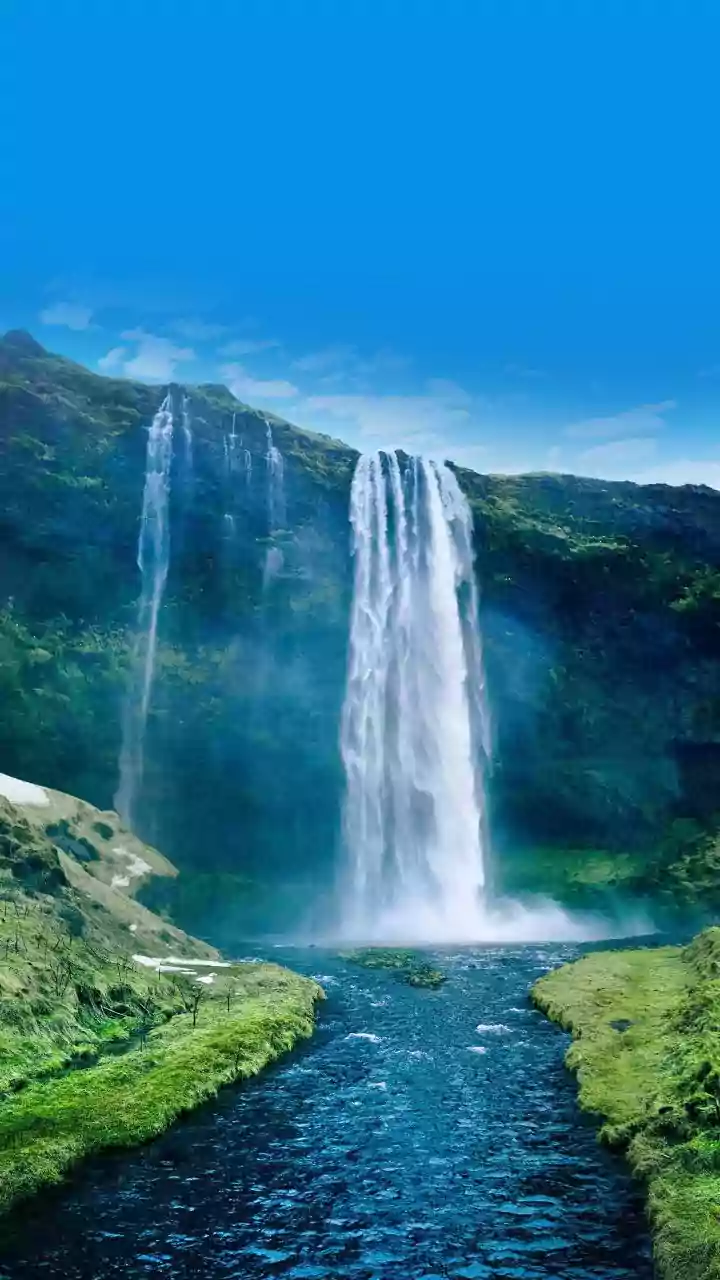
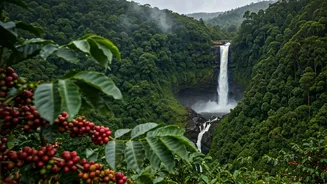
One of the most magical parts of a monsoon road trip is the sudden appearance of countless waterfalls. Streams that are mere trickles for most of the year swell into powerful, cascading torrents of water. They gush down hillsides, spill over cliffs, and create impromptu spectacles right by the roadside. Routes like the one through Munnar’s tea estates in Kerala or the drive to the Jog Falls in Karnataka become galleries of roaring water. The thrill isn't just in seeing the major falls, but in discovering the hundreds of smaller, unnamed ones that exist only during these few months, each one a delightful surprise on your journey.
You'll Have Paradise to Yourself
While summer and winter are peak tourist seasons in India, the monsoon is considered the off-season. For the savvy traveler, this is a massive advantage. Popular destinations like the backwaters of Kerala or the historic sites of Hampi are blissfully uncrowded. You can explore ancient temples, serene beaches, and breathtaking viewpoints without jostling for space. This solitude enhances the experience, allowing for a more intimate connection with your surroundings. It’s a chance to hear the rain fall, listen to the birds, and experience the region’s profound tranquility at your own pace.
A Symphony for the Senses
A monsoon drive is about more than just the sights. It's a full-body sensory experience. There’s the intoxicating scent of petrichor—the earthy smell that rises when rain hits dry soil. There’s the constant, meditative drumming of rain on your car roof and the rustle of wet leaves. The air, cool and clean, carries the fragrance of drenched spices from nearby plantations—cardamom, pepper, and clove. And there's no greater pleasure than pulling over at a small roadside stall, a “thattukada,” for a steaming cup of spicy chai and a plate of hot, crispy pakoras while watching the downpour. It’s a simple, perfect moment that defines the journey.
It's a Cultural Celebration
In South India, the monsoon isn't a nuisance; it's a celebrated, life-giving event. It replenishes rivers, nourishes crops, and marks a period of renewal. Traveling during this time offers a glimpse into this deep cultural relationship with the rains. You'll see the joy it brings to farmers and the way daily life adapts and thrives. Festivals celebrating the monsoon, like Kerala's Onam, often fall at the tail end of the season, showcasing a culture in full bloom. A road trip allows you to witness this rhythm firsthand, understanding that the rain isn't just weather—it’s the very pulse of the land.